Best Energy Saving Lighting Kuwait
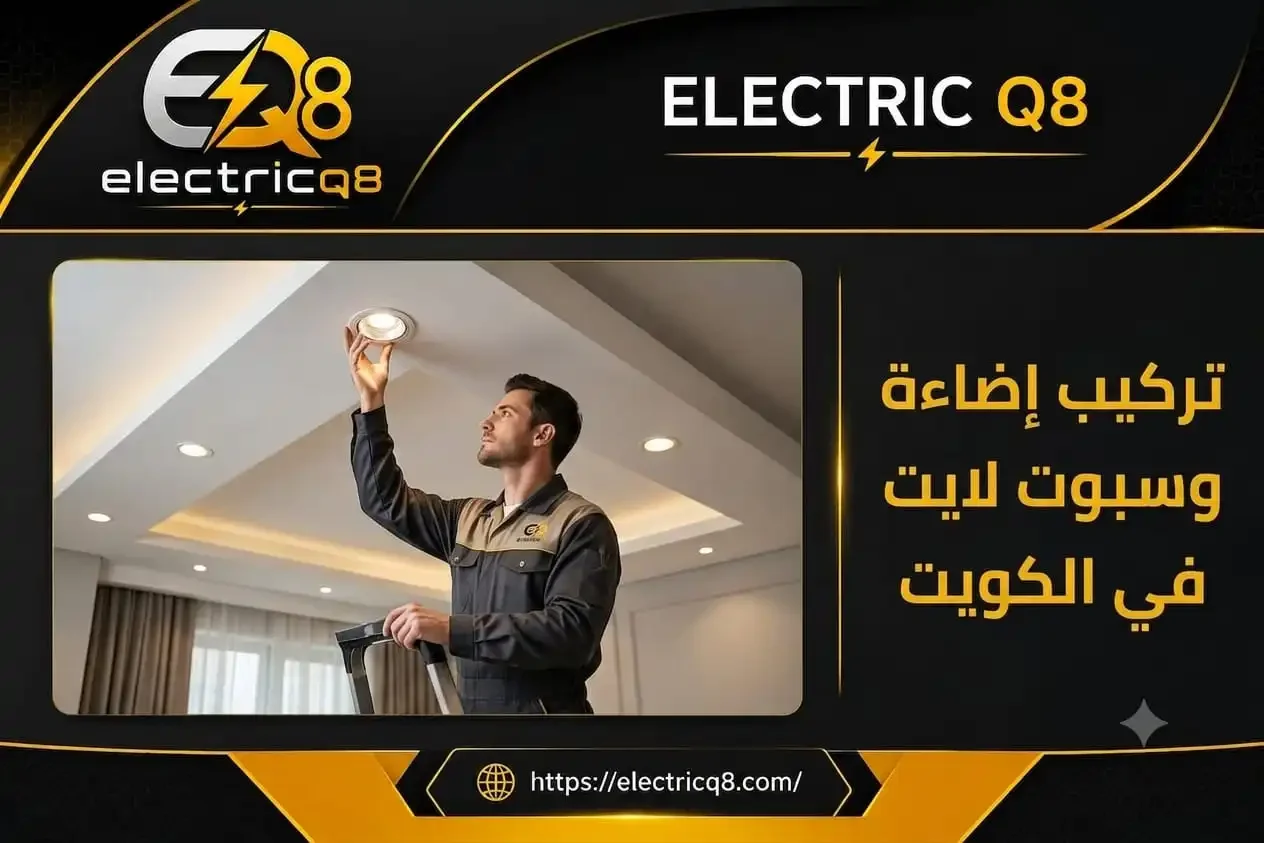
Finding the Best Energy-Efficient Lighting in Kuwait has become a priority for homeowners villa owners and businesses as lighting systems operate for longer hours and many buildings depend on indoor and outdoor lighting throughout the day. However saving electricity does not simply mean buying the cheapest bulb or selecting the lowest wattage. It depends on choosing a complete lighting system that creates the right balance between brightness color quality operating life and energy consumption. Proper lighting planning helps reduce electricity costs improve visual comfort extend the life of lighting units and maintain an attractive appearance that suits the purpose of every indoor and outdoor space.
Best Energy-Efficient Lighting in Kuwait
When choosing the Best Energy-Efficient Lighting in Kuwait wattage should never be the only factor considered because the quality of the lighting unit its luminous efficiency and the way it distributes light directly affect the amount of energy required to achieve a suitable lighting level. A high-quality LED bulb may produce stronger illumination than another bulb using the same wattage which means fewer units can be installed in the room while achieving better and more comfortable lighting.
The selection process begins by studying the nature of the space and the way it is used every day. Living rooms require a different lighting arrangement from kitchens offices or majlis areas while outdoor lighting has completely different requirements from indoor lighting. Ceiling height wall colors room size and the amount of natural daylight are also considered because each of these factors affects the total amount of artificial lighting required. It is preferable to select lighting units with recognized quality standards stable color performance and the ability to maintain brightness over time.
Practical experience from lighting projects in homes across Kuwait shows that the best results are not achieved by installing the most powerful bulb. They are achieved through a balanced lighting design that allows light to reach every part of the room without leaving dark areas or creating uncomfortable glare. This approach improves visual comfort while also reducing electricity consumption.
-
The correct choice depends on lighting efficiency and distribution quality rather than wattage alone.
-
Suitable lighting specifications vary according to the function and daily use of every room.
-
Balanced design can achieve a better lighting level with fewer lighting units.
Energy-Efficient LED Lighting
Energy-Efficient LED Lighting is currently the most widely used option because it combines low electricity consumption long operating life and immediate startup without requiring a warm-up period like some older lighting technologies. LED units also produce less heat than traditional lamps which helps reduce the thermal load inside rooms especially during the hot summer months in Kuwait.
The advantages of LED technology are not limited to electricity savings. LED lighting is available in a wide range of color temperatures and can be used for general lighting decorative lighting concealed lighting and outdoor applications. Warm white lighting can be selected for majlis areas and bedrooms while natural or cool white lighting may be more suitable for kitchens offices and work areas that require greater visibility. Dimmable LED units and smart lighting systems are also available allowing users to adjust brightness according to their needs and reduce consumption whenever full lighting is unnecessary.
When purchasing LED lighting it is important to compare lumen output rather than relying on wattage alone because lumens represent the actual quantity of light produced. Products with reliable electronic components should also be selected so that they can maintain stable performance over long periods without flickering or losing brightness quickly.
-
LED technology reduces electricity consumption while maintaining a high lighting level.
-
Different color temperatures make it possible to customize lighting for every area of the home.
-
Lumen output and manufacturing quality should be compared instead of wattage alone.
Best LED Bulbs in Kuwait
Choosing the Best LED Bulbs in Kuwait does not depend on the brand name alone. The specifications of the bulb must match the way the space will be used. A living room may require a bulb with a wide beam angle while a reading area or home office may need more focused lighting. For this reason beam angle color rendering index color temperature and expected operating life should all be reviewed before making a purchase.
It is also preferable to choose bulbs with a high color rendering index so that furniture wall finishes and decorative elements appear natural and accurate. This is particularly important in majlis areas guest rooms retail displays and spaces where appearance plays a major role. The bulb base must be compatible with the light fixture and the selected wattage should never exceed the maximum rating recommended by the fixture manufacturer.
Practical experience shows that investing in a higher-quality bulb reduces replacement and maintenance costs in the long term. Low-quality products may lose a large percentage of their brightness within a short period or fail because of heat poor internal components or voltage fluctuations.
-
The room type and method of use determine the correct bulb specifications more than the brand name.
-
A high color rendering index helps furniture and finishes appear natural and visually comfortable.
-
Maintenance costs decrease when high-quality bulbs with a long operating life are selected.
Economical Home Lighting
Economical Home Lighting does not mean reducing the number of lighting units until rooms become dark or uncomfortable. It means using every unit in the correct location and selecting the right output for the space. An energy-efficient home lighting plan begins with intelligent distribution that considers movement patterns and operating times instead of running every lamp in the same way. Corridors do not need the same lighting level as kitchens and bedrooms do not need the same brightness used in home offices or reading areas.
Noticeable savings can be achieved by dividing lighting into independent groups so that only the occupied part of the room is illuminated. In a large living room general lighting side lighting and decorative lighting can be controlled separately instead of being connected to one switch. Motion sensors can also be used in corridors storage rooms and bathrooms to prevent lights from remaining on unnecessarily while timers and smart controls can manage outdoor lighting according to a specific schedule.
Natural daylight should also be used as much as possible by arranging furniture in a way that does not block windows and by selecting interior colors that reflect light effectively. These details may appear simple but they can reduce the need to operate a large number of bulbs during daylight hours. The result is not only a lower electricity bill but also longer lamp life and less heat inside the property.
-
Real savings depend on dividing lighting circuits according to how each part of the home is actually used.
-
Sensors and timers reduce unnecessary operating hours when installed in suitable areas.
-
Natural daylight and reflective interior colors reduce dependence on artificial lighting.
Electricity-Saving Lighting Solutions
Electricity-Saving Lighting Solutions involve more than replacing old bulbs with LED units because an efficient system combines product selection distribution design and control methods. A home may contain energy-saving bulbs but still consume too much electricity because too many units remain on throughout the day or because poor distribution requires higher wattages to compensate for dark areas. The first step is therefore to review the existing lighting and identify areas with excessive brightness insufficient lighting or unnecessary operating hours.
Practical solutions may include redistributing lighting units so that the room can be covered with fewer fixtures using appropriate beam angles. Compatible dimmer switches can also be installed to reduce brightness during television viewing or relaxed evening use. Smart lighting systems can connect fixtures to schedules mobile applications motion sensors and daylight sensors. In outdoor areas photocells can automatically switch lighting on at sunset and off at sunrise instead of relying on manual operation.
The selected solution should match both the property and the available budget. Not every home requires a complete smart lighting system. In many cases dividing switches and installing sensors in selected locations can provide better value. The best solution is the one that creates clear savings without making daily use complicated or forcing the homeowner to pay for unnecessary technology.
-
An efficient solution combines lighting-unit performance distribution quality and control over operating hours.
-
Dimmers motion sensors and photocells reduce consumption without reducing comfort.
-
The level of technology should match the actual needs of the property so that the investment remains practical.
Reducing Electricity Use Through Lighting
Reducing Electricity Use Through Lighting begins by measuring the current situation instead of relying on general impressions. The number of lighting units the wattage of each bulb and the average daily operating hours should all be recorded before identifying the areas with the highest consumption. A small group of outdoor floodlights may consume more electricity than dozens of indoor bulbs if they have a high wattage and operate throughout the night. Some rooms may also be brighter than necessary for their actual purpose.
Once the main sources of consumption have been identified inefficient units can be replaced with lower-wattage alternatives that provide the required lumen output. Operating habits can also be improved by dividing unused areas from occupied ones and installing multiple switches instead of using one switch for an entire large space. In large homes scheduling garden and outdoor lighting can prevent it from remaining on for hours after it is no longer needed.
A common mistake is choosing a low-wattage bulb that produces weak light and then installing more bulbs to compensate. This eliminates the expected savings. Another mistake is installing bulbs that are not compatible with dimmer switches which can cause flickering and premature failure. Electricity reduction should therefore be calculated according to required light output component quality and operating hours rather than wattage alone.
-
Recording wattage and operating hours reveals which areas consume more electricity than expected.
-
Successful reduction maintains the required amount of light through more efficient units.
-
Poorly planned replacements may increase the number of bulbs or shorten their life instead of reducing consumption.
Best Modern Home Lighting
The Best Modern Home Lighting combines function comfort and visual appeal without turning the home into an excessively bright or overcrowded space. Modern design depends on several layers of light including general lighting that covers the room task lighting for reading or work and decorative lighting that highlights walls furniture or architectural details. This variety allows occupants to operate only the layer required for the current activity instead of relying on one powerful source throughout the day.
Living rooms can combine carefully distributed spotlights concealed lighting and side lamps. Kitchens require clear illumination over work surfaces with a layout that prevents shadows from falling across preparation areas. Bedrooms are better suited to warm lighting with switches near the bed and dimming options that create a calmer atmosphere. Smart systems can also be integrated to create preset scenes for reading receiving guests television viewing or nighttime use.
A modern appearance does not require the most complicated products available. A simple system that is easy to operate and maintain is often more successful. Overly complex systems may become inconvenient if replacement parts are difficult to find or the controls are confusing. True modern design appears in lighting quality flexible control and reduced energy consumption.
-
Modern design uses several lighting layers to support different activities within the same room.
-
Separating general task and decorative lighting provides greater flexibility and lower consumption.
-
A successful system combines an attractive appearance with simple operation and maintenance.
High-Efficiency Lighting
High-Efficiency Lighting describes the ability of a lighting unit to produce a large amount of light while consuming a small amount of electricity. Efficiency is commonly measured by comparing lumen output with wattage. The more lumens produced per watt the more efficient the unit is considered. However numerical efficiency alone is not enough because beam distribution color stability operating life and long-term performance also affect the true value of the product.
Some inexpensive products advertise high output figures but lose brightness quickly because of poor components or inadequate heat dissipation. Lighting units with effective thermal design and reliable electronic drivers should therefore be selected especially in enclosed ceilings or locations exposed to high temperatures. Outdoor units must also be suitable for dust moisture and direct heat conditions.
In larger projects the return on replacement cost can be calculated by comparing old and new electricity consumption operating hours and maintenance expenses. A higher-priced lighting unit may provide better long-term value when it delivers stable efficiency a longer operating life and a clear warranty. For this reason the comparison should not depend only on the initial purchase price.
-
Efficiency is measured by the amount of light produced per watt while also considering long-term performance.
-
Thermal design and electronic component quality directly affect the actual life of the lighting unit.
-
A higher-priced unit may provide better savings when electricity maintenance and replacement costs are considered.
Eco-Friendly Lighting in Kuwait
Eco-Friendly Lighting in Kuwait is connected to reducing energy consumption and decreasing the amount of waste produced by frequent lamp replacement. High-quality LED units consume less electricity and operate for longer periods than many traditional technologies which reduces the number of discarded products. Their lower heat output can also reduce the load placed on air conditioning systems during Kuwait’s long summer season.
Environmental responsibility does not stop with the type of bulb selected. Excessive outdoor lighting can create light pollution disturb nearby residents and waste electricity without providing practical value. Floodlights should therefore be aimed toward the required area and selected at an appropriate output while timers and sensors should be used to prevent unnecessary operation throughout the night. Products with long warranties and repairable or replaceable components are also preferable to low-quality units that fail quickly.
Old lighting products should be disposed of responsibly especially when they contain materials that require special handling. Homes and businesses can reduce their environmental impact through a gradual replacement plan that begins with the most energy-intensive units instead of changing everything without evaluation. This method creates financial and environmental benefits at the same time.
-
High-quality LED lighting reduces electricity use and the amount of waste created by frequent replacement.
-
Properly directed outdoor lighting prevents unnecessary energy waste and light pollution.
-
A planned gradual replacement program provides better financial and environmental results than random changes.
Choosing Energy-Efficient Lighting
Choosing Energy-Efficient Lighting requires reading technical specifications and comparing them with the needs of the space instead of purchasing products based only on appearance or price. The comparison should begin with the required lumen output followed by color temperature color rendering index beam angle and dimming compatibility. Operating life warranty and environmental protection ratings should also be reviewed when the unit will be used outdoors or in a humid area.
The function of each room should be identified before purchase. Warm light is generally suitable for bedrooms and majlis areas while neutral light may be better for kitchens offices and workspaces. Corridors and storage rooms can benefit from motion sensors. The dimensions of the lighting unit should also match the ceiling opening and the electrical driver must be compatible with the existing system and control switches.
When comparing prices the expected operating life and replacement cost should be considered alongside the purchase price. A cheap product that fails every few months may become more expensive than a reliable product that lasts for years. Consulting an electrician experienced in lighting design and installation can also prevent the purchase of an unsuitable number of fixtures or wattages that fail to achieve the required result.
-
Selection begins with lumen output color temperature and beam angle according to the function of the room.
-
Compatibility with ceiling openings dimmer switches and outdoor conditions should be confirmed before installation.
-
A fair comparison includes operating life warranty and maintenance in addition to the purchase price.
Conclusion
Reaching the Best Energy-Efficient Lighting in Kuwait requires more than simply buying LED bulbs. It depends on evaluating the number of lighting units their distribution wattage operating hours and control methods. A well-planned design provides clear comfortable lighting while reducing electricity use heat output and maintenance costs. Choosing high-efficiency products and installing sensors or dimming systems in suitable locations makes the savings continuous without affecting the appearance of the home or the comfort of its occupants. When the installation is based on actual measurements and a design suited to the purpose of every space lighting becomes a long-term investment rather than a repeated expense.
Frequently Asked Questions
What is the difference between watts and lumens when buying LED bulbs?
Watts indicate how much electricity the bulb consumes while lumens indicate how much light it produces. The correct approach is to compare lumen output first and then choose the lowest wattage that provides the required amount of light.
Do all LED bulbs save the same amount of electricity?
No because product efficiency varies according to component quality and design. Two bulbs may consume the same wattage while one produces more light and maintains its performance for a longer period.
What is the best lighting color for a home?
The best color depends on the room. Warm light is suitable for bedrooms and majlis areas while neutral light is more appropriate for kitchens offices and reading areas that require better visibility.
Do motion sensors really reduce lighting consumption?
Yes especially in corridors bathrooms storage rooms and spaces where lights are often left on by mistake. Sensors automatically switch the light off after the area is no longer occupied and prevent unnecessary operating hours.
When is replacing old lighting financially worthwhile?
Replacement is most worthwhile when the existing units consume large amounts of electricity operate for long hours or require frequent maintenance. The process should usually begin with the most heavily used areas to achieve faster savings.