Main Breaker Keeps Tripping Kuwait
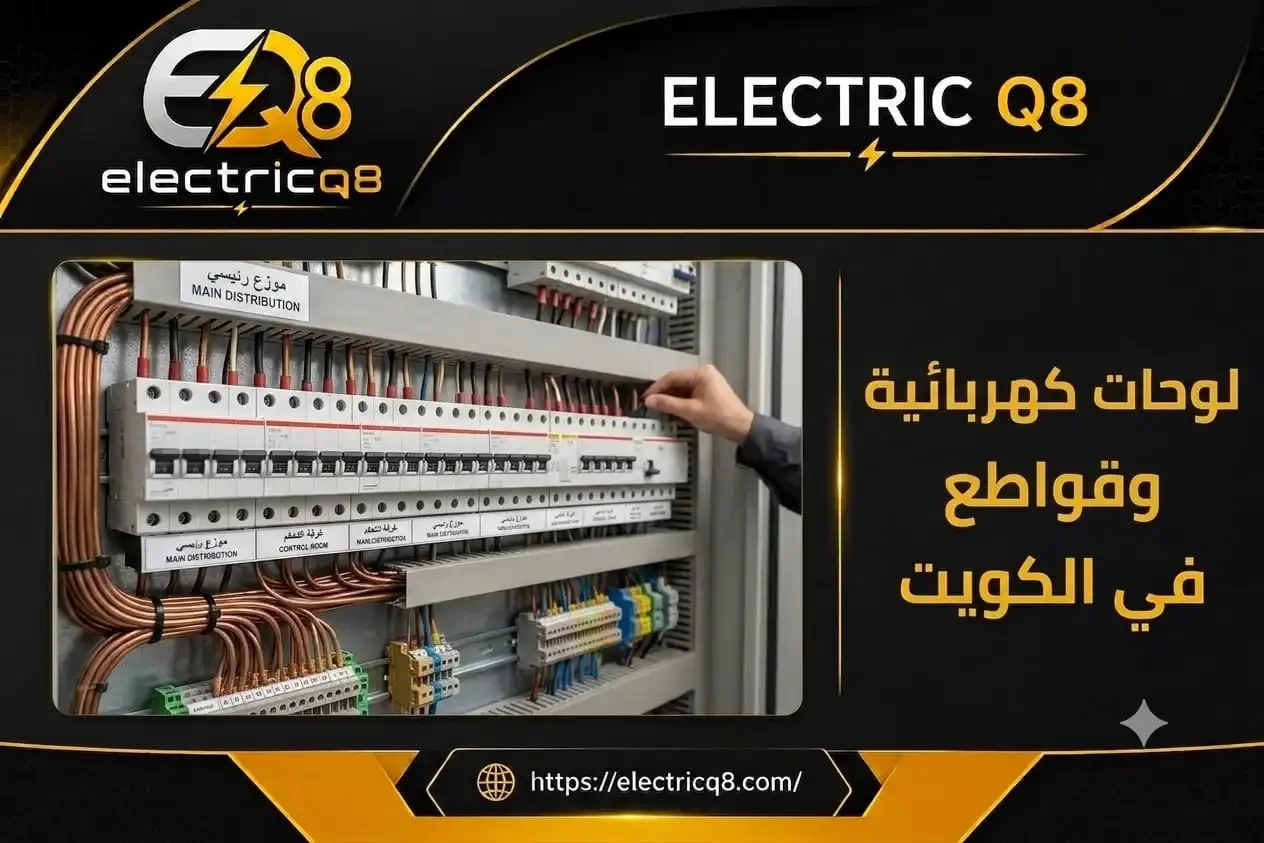
The recurring issue of a Main Breaker Keeps Tripping in Kuwait should never be treated as a minor inconvenience or handled by simply resetting the breaker every time it disconnects. The main breaker is the first line of protection for the entire home or building and when it trips there is usually an overload an internal electrical fault current leakage or deterioration inside the breaker itself. Accurate diagnosis begins by understanding when the disconnection occurs and which appliances were operating at that moment before measuring the current and inspecting the panel and its connections. Relying on guesswork may temporarily hide the problem but it does not eliminate the actual cause. Professional handling protects the wiring and appliances and prevents repeated outages or the development of a more serious electrical risk.
Main Breaker Keeps Tripping in Kuwait
The problem of a Main Breaker Keeps Tripping in Kuwait appears when the breaker operates to protect the electrical system from an abnormal condition affecting the main power supply. The disconnection may occur immediately after electricity is switched on or several minutes after specific appliances begin operating or only during peak usage periods. This difference is extremely important because it helps determine the nature of the fault. Immediate tripping may indicate a direct short circuit or significant current leakage while delayed tripping is more commonly related to excessive electrical load overheating connections or a breaker weakened by age.
Practical inspection begins with a visual examination of the main electrical panel followed by current measurements on the incoming lines and observation of breaker behavior while high-demand appliances such as air conditioners electric ovens water heaters and pumps are operating. The temperature of the breaker terminals the tightness of the connections and the conductor sizes are also checked because a loose connection can generate enough heat to trip the breaker even when the total electrical load is not particularly high. In some cases the reason for tripping is a combination of several issues such as excessive load together with an old breaker and a weak electrical connection.
Field experience in residential and commercial properties across Kuwait shows that repeatedly resetting the breaker without proper diagnosis may further damage connection points and eventually cause localized burning inside the electrical panel. The safest approach is to identify the exact cause and then apply a repair method that addresses the real fault rather than replacing components randomly.
-
The timing of the disconnection and the appliances operating at that moment help distinguish overload conditions from direct electrical faults.
-
Measuring current and connection temperatures reveals causes that cannot be identified through visual inspection alone.
-
Early diagnosis prevents the problem from developing into panel damage or repeated electrical outages.
Cause of Main Breaker Tripping
There is no single Cause of Main Breaker Tripping that applies to every situation because the breaker may disconnect because of excessive loads a short circuit earth leakage or deterioration in one of the components inside the panel. The fault must therefore be connected to the circumstances in which it appears. If tripping occurs when several air conditioners are switched on together the total electrical demand may exceed the rating of the breaker or the capacity of the main cable. If the breaker trips whenever one specific appliance is used that appliance or its electrical circuit may be the actual source of the problem.
The breaker may also trip because of a loose connection at one of its terminals which gradually increases electrical resistance and heat. This type of fault can be misleading because the current value may appear normal while the connection temperature rises to a dangerous level. The breaker itself may also have lost part of its accuracy and may begin disconnecting below its intended rating because of age repeated tripping or prolonged exposure to excessive heat inside the panel.
A common mistake is assuming that the breaker alone is defective and replacing it without testing the connected circuits. If the real cause is a short circuit or overload the replacement breaker will trip again. Professional diagnosis therefore depends on isolating the individual circuits reconnecting them gradually taking accurate measurements and checking the connected appliances until the source of the problem has been clearly identified without wasting time or money.
-
The disconnection may be caused by the total electrical load one specific circuit or a single appliance inside the property.
-
Loose electrical connections can generate excessive heat and cause tripping even when current remains within an acceptable range.
-
Replacing the breaker does not prove that the fault has been repaired unless all connected circuits and electrical loads are inspected.
Solution for Main Breaker Tripping
The correct Solution for Main Breaker Tripping depends on the cause confirmed by inspection rather than on one fixed procedure used in every situation. If the issue is caused by excessive electrical demand the solution may involve redistributing appliances between different circuits installing a dedicated line for a high-power appliance or modifying the electrical supply capacity according to the actual capacity of the cables and panel. If a short circuit or electrical leakage is present the damaged circuit must be located and the affected cable appliance or connection repaired before the main power supply is restored.
When excessive heat is detected at the breaker terminals the connection is corrected the damaged part is replaced and the condition of the main cable is verified. If the breaker is old or disconnects below its rated value after the electrical load has been tested replacement may become necessary. However the new breaker must match the actual specifications of the electrical system and should never be selected with a higher rating simply to prevent tripping. The replacement breaker must also be tested under normal operating conditions while current and temperature are monitored after the repair to confirm that the problem has been fully resolved.
Repair costs vary considerably depending on the scope of the fault. Correcting one connection inside the panel is not comparable to installing a new circuit or replacing a damaged main cable. A professional quotation should therefore explain the cause the proposed steps the required materials and the tests that will be completed rather than giving a general price before inspection. This approach is safer more reliable and prevents unnecessary work.
-
The appropriate solution may involve redistributing loads repairing a faulty circuit or replacing a damaged component depending on the inspection results.
-
A breaker with a higher rating must never be installed unless the cables and panel are confirmed capable of safely supporting the increased current.
-
The electrical system should be tested under a real operating load after the repair to confirm stable breaker performance.
Main Breaker Repair
Main Breaker Repair requires careful inspection because the breaker controls the complete electrical supply of the home or building and does not allow room for unplanned or unsafe work. The electrician begins by disconnecting the branch circuits and inspecting the breaker body connection terminals signs of overheating discoloration and any unusual smell. If the problem is caused by a loose terminal or weak electrical contact the affected area is cleaned and tightened using the correct torque while the cable insulation and conductor condition are carefully checked.
If testing shows that the internal mechanism of the breaker is no longer operating correctly or that the breaker disconnects before the current reaches its normal limit repair is generally not practical and replacement becomes the safest option. Some damaged breakers may look completely normal from the outside while their internal components have lost accurate tripping performance or have been weakened by repeated overheating. For this reason a qualified electrician does not rely on appearance alone but compares the actual electrical load with the behavior of the breaker during operation.
One of the most dangerous mistakes is attempting to open the breaker and repair its internal parts on site. Breakers are manufactured as enclosed protective devices and tampering with their internal mechanisms cannot guarantee reliable performance. Correct repair work therefore focuses on the circuit connections and panel while the breaker itself is replaced whenever internal damage has been confirmed using a genuine unit that is fully compatible with the electrical system.
-
Repair begins with checking breaker terminals cables and signs of excessive heat before deciding whether replacement is necessary.
-
A breaker should not be considered safe simply because it works again after being reset.
-
Replacement is required whenever the protective mechanism becomes inaccurate or unreliable during testing.
Main Breaker Trips Under Load
When the Main Breaker Trips Under Load the problem usually appears after several high-power appliances begin operating at the same time. A property may function normally throughout most of the day and then lose power when several air conditioners operate together with an electric oven water heater or pump. In this situation the total electrical demand must be measured and compared with the breaker rating and main cable capacity rather than reducing appliance usage randomly.
Load distribution between circuits and phases should also be inspected when a three-phase supply is present because poor phase balance may place excessive pressure on one phase even when the total building load appears acceptable. The breaker may also operate close to its maximum limit for extended periods which gradually raises its temperature until the thermal trip mechanism disconnects the supply. Current and temperature must therefore be observed during an extended period of actual operation rather than during a brief test.
The appropriate solution may involve managing appliance operation moving specific loads to dedicated circuits redistributing the circuits between phases or upgrading the electrical supply if the requirements of the building have exceeded the original design. The number of appliances alone does not determine the solution because cable condition route length panel temperature and connection quality also influence system performance.
-
Load-related tripping usually appears after several high-demand appliances start operating or during peak electricity usage.
-
Measuring total demand and phase balance helps identify the exact source of electrical pressure.
-
The permanent solution may require circuit redistribution or an electrical supply upgrade rather than breaker replacement alone.
Main Breaker Fault Electrician
A qualified Main Breaker Fault Electrician approaches the problem from the incoming electrical supply all the way to the branch circuits instead of replacing the breaker immediately. The electrician reviews the main cable capacity panel condition electrical loads connection quality and operating temperatures. Specialized equipment may be used to measure current voltage insulation resistance and thermal patterns whenever necessary to locate the real source of the fault accurately.
An experienced technician can also distinguish between tripping caused by overload short circuit electrical leakage or mechanical deterioration inside the breaker. This distinction is essential because each fault requires a completely different solution. An overload is corrected through electrical load redistribution while a short circuit requires isolation and repair of the affected circuit and current leakage requires additional testing of protective devices and the grounding system.
Choosing an electrician should never be based solely on the lowest price or the fastest arrival time. The better choice is a technician who explains the test results provides clear measurements and identifies the required materials before beginning the work. The system should also be tested after repair to confirm that the main breaker operates within normal limits and that the fault has not simply been hidden temporarily.
-
A specialist relies on professional measurements and testing equipment rather than assumptions.
-
The type of electrical disconnection is identified before any panel or breaker component is changed.
-
The final solution is designed for long-term reliability rather than providing a temporary reset.
Main Breaker Inspection
A complete Main Breaker Inspection covers several connected components because the breaker may appear normal while the actual problem is located in the main cable terminal connection or surrounding heat conditions. The inspection begins by reading the technical information printed on the breaker and confirming that it matches the electrical supply and main cable. Current is then measured on every incoming line during normal use and while high-demand appliances are operating.
The next step includes checking terminals screws signs of overheating changes in conductor color and deterioration of the insulation. A thermal imaging camera may be used to compare temperatures between lines and detect any point that is operating hotter than normal. If the breaker itself is suspected its behavior is tested and the tripping time is compared with the actual electrical load.
The inspection should never be limited to the breaker alone. It must also include the distribution panel busbars incoming and outgoing cables and all surrounding connections. Heat may transfer from another damaged part to the breaker and cause it to trip even when the internal mechanism is working correctly. A professional inspection therefore concludes with a technical report identifying the cause level of risk and the exact corrective steps required.
-
Inspection covers current temperature connection quality and compatibility between the breaker and main cable.
-
Thermal imaging reveals hidden hot spots that may not be visible during a normal visual inspection.
-
A technical report supports an accurate decision between repair adjustment and replacement.
Main Breaker Replacement
Main Breaker Replacement becomes necessary when testing proves that the breaker has lost its protective accuracy has suffered burning or mechanical damage or begins disconnecting at abnormal current levels. Replacement should not be performed simply because tripping occurs repeatedly because the real cause may exist elsewhere in the electrical system. Before installation the electrician inspects the total load main cable and all terminal connections before selecting a breaker that matches the system specifications panel type and required interrupting capacity.
It is important to understand that installing a higher-rated breaker is not an automatic solution. If the main cable was not designed to support the increased current it may overheat before the breaker disconnects. Breaker selection must therefore be based on the capacity of the weakest component in the electrical path rather than on the highest expected consumption alone.
After the new breaker has been installed every terminal is secured carefully and the electrical system is energized gradually. Current and temperature are then monitored after a period of normal operation. Manual switching operation mechanical stability inside the panel and the absence of abnormal sound smell or heat are also verified before the work is considered complete.
-
The breaker is replaced only after actual damage or inaccurate operation has been confirmed.
-
The replacement rating must match the main cable electrical panel and incoming power supply.
-
Proper replacement includes real load testing rather than simply restoring electrical power.
Main Power Failure Correction
Main Power Failure Correction requires an organized process that begins by isolating the branch circuits and reconnecting them one at a time until the source of the fault is identified. This method prevents electricity from being restored to a damaged circuit and significantly reduces the area that must be investigated. If the main breaker continues tripping while every branch circuit is disconnected the issue may be located in the breaker itself the main cable or the incoming electrical supply.
Once the source has been found the appropriate corrective action is completed whether it involves repairing a short circuit replacing a damaged cable correcting an overheated connection redistributing electrical loads or changing the breaker. Any recently installed equipment should also be reviewed because many cases begin after adding an air conditioner water heater or another high-power appliance without providing a suitable dedicated circuit.
The correction process should also include documenting the cause and explaining the completed work to the property owner. This information is important because certain problems may return when the same electrical loads are used in the same way or when future modifications are completed without proper planning.
-
Corrective work begins by isolating the circuits and locating the source of the electrical fault accurately.
-
The required solution depends on whether the cause is overload short circuit leakage or breaker damage.
-
Documenting the cause helps prevent the problem from returning during future electrical expansion.
Main Breaker Maintenance in Kuwait
Regular Main Breaker Maintenance in Kuwait helps identify developing problems before they cause an unexpected outage or burning inside the electrical panel. Maintenance includes inspecting connections cleaning the panel measuring current and temperature and checking the condition of the breaker busbars and main cables. This service becomes especially important during the summer because high ambient temperatures and the continuous operation of air conditioning systems place additional stress on the main electrical supply.
Any unusual sound smell or discoloration inside the panel should also be investigated because these signs may indicate a loose connection or excessive heat. Homeowners should not wait until the breaker begins tripping repeatedly because certain faults develop gradually without creating an obvious warning during the early stages.
Maintenance should be completed by a certified electrician using appropriate testing equipment and providing recommendations based on actual measurements. The result may be a simple connection adjustment or it may reveal that a damaged component must be replaced before it creates a more serious electrical failure.
-
Preventive maintenance reduces the possibility of unexpected tripping during periods of high electrical demand.
-
Temperature changes unusual smells and discoloration can reveal developing damage before burning occurs.
-
Professional testing improves breaker stability and protects the main electrical supply.
Conclusion
The recurring problem of a Main Breaker Keeps Tripping in Kuwait is a clear warning that an electrical fault requires professional diagnosis rather than repeated resetting. The cause may be excessive demand a weak connection an aging breaker or a fault in one of the branch circuits. Accurate inspection current measurement temperature testing and circuit isolation help identify the real source of the problem and prevent unnecessary replacement work. When repairs are completed by a qualified electrician and the system is tested under actual load conditions the electrical supply becomes more stable and the risk of future outages or panel damage is significantly reduced.
Frequently Asked Questions
Why does the main breaker trip when air conditioners operate?
This may occur because the total electrical demand exceeds the capacity of the main breaker or cable or because the loads are poorly balanced between phases or one air conditioner has an internal electrical fault. Current must be measured during operation to determine the exact cause.
Can I reset the main breaker after it trips?
It may be reset once after disconnecting the appliances but if it trips again you should stop resetting it because repeated tripping may indicate an overload or electrical fault that requires professional inspection.
Will installing a larger breaker stop the tripping?
Not necessarily and it may be dangerous if the wiring cannot safely support the higher current. The main cable panel and electrical loads must be inspected before selecting a replacement breaker.
What are the signs of a damaged main breaker?
Common signs include repeated tripping without a clear reason excessive heat unusual noise a burning smell visible burning marks or discoloration around the terminals.
When should the main breaker be serviced?
Maintenance is recommended whenever tripping becomes frequent when the electrical panel feels unusually hot after adding major electrical loads or when the main electrical system has not been inspected for a long period.