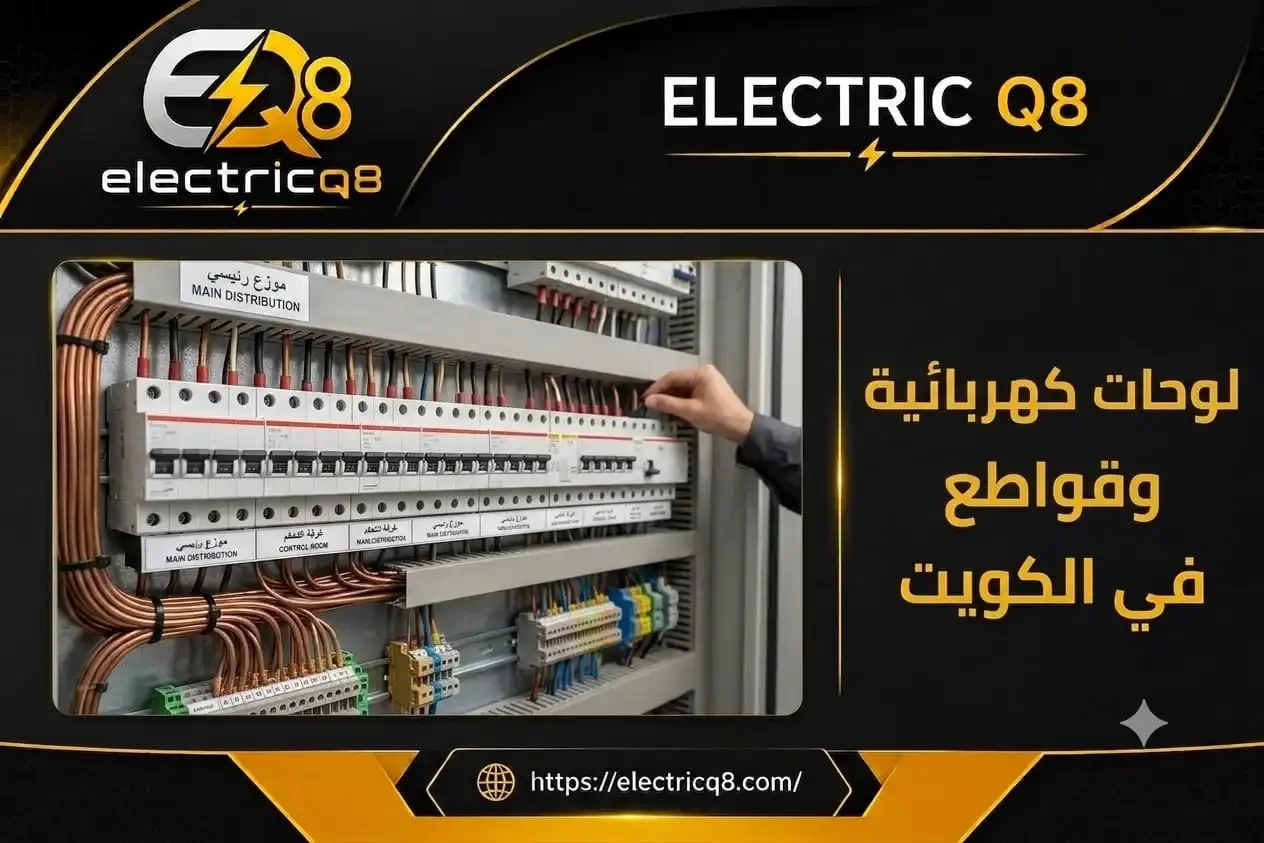
The decision to repair an electrical panel or replace it completely should not depend only on its age, external appearance, or a single fault found inside it. An electrical panel combines different circuits, protective devices, and connections, so a professional inspection starts by identifying the problem, assessing component condition, determining the extent of any damage, and evaluating whether the panel remains suitable for its current use before recommending a solution. The fault may be limited to one repairable component, or the inspection may reveal broader issues that justify considering replacement. A useful electrical panel inspection report does not simply state that the panel “needs maintenance.” It documents observations, distinguishes a confirmed defect from an issue requiring further testing, and explains why repair or replacement has been recommended. This makes the decision evidence-based rather than relying on assumptions or replacing components without proper diagnosis.
Electrical Panel Inspection Report

The value of an electrical panel inspection report is not measured by the number of observations written in it but by its ability to turn the inspection into a clear and understandable decision. A good report explains the inspection scope, the condition that prompted the assessment, the components or circuits where observations were found, and whether the findings support a specific repair or require broader evaluation before a replacement decision is made.
For example, if the complaint is that one particular breaker trips whenever a specific load operates, the report should not immediately assume that the entire panel is defective. The circuit associated with the problem, the conditions under which the trip occurs, and the observations obtained during the inspection should be documented before determining whether the issue is limited to that circuit or whether other indications inside the panel deserve further investigation. This keeps the repair scope connected to actual evidence instead of turning one fault into an unsupported recommendation for complete replacement.
It is also important for the report to distinguish between an observation and a diagnosis. Discoloration, evidence of heat, or unclear circuit identification are all worth recording, but each observation needs to be interpreted within its proper context. Seeing a visible sign does not automatically establish the final cause.
A professional report should also state the limitations of the inspection. If a particular area could not be evaluated within the agreed scope or requires additional testing, that should be clearly documented. This transparency prevents the property owner from gaining false confidence in a result that did not cover everything and makes it clear what has been verified and what still needs further assessment.
-
A useful report connects every observation with its location and the related circuit or component and explains the recommended next step instead of collecting general statements about the panel being old or requiring maintenance without explaining the reason behind the recommendation
-
A fault involving one breaker or one circuit does not automatically prove that the entire panel needs replacement because the extent of the problem should be established through inspection before expanding the repair to components that have not shown evidence requiring intervention
-
Clearly documenting inspection limitations and tests that were not performed improves the reliability of the report because the customer knows exactly what was verified and what still requires further evaluation instead of assuming that every part of the panel has been fully inspected
Electrical Panel Inspection in Kuwait
During an electrical panel inspection in Kuwait, the objective is not to search for a reason to replace the panel. The goal is to determine whether the existing panel remains suitable for its circuits, loads, and protective devices or whether specific defects require attention. The age of the panel provides useful background information, but it is not a final judgment because an older well-organized panel may require a completely different scope of work from a newer panel that has undergone several undocumented modifications.
The inspection should begin with the reason the service was requested. Is there repeated breaker tripping? Has an unusual smell appeared? Have new appliances or equipment been installed? Were breakers changed previously? Understanding this sequence helps direct the diagnosis instead of treating the entire panel as one single problem. The condition can then be assessed within the appropriate professional inspection scope rather than relying on external appearance alone.
A practical example can be found in properties that have undergone several expansions. Breakers may have been added at different times over the years. The fact that the breakers differ does not by itself mean that the panel requires replacement. The more important questions are whether each circuit, its protection, and its connections remain suitable for the current use and whether the organization allows the circuits to be identified and maintained correctly. If a specific problem is found, it should be documented instead of describing the entire panel as defective.
If serious warning signs are present such as smoke, burning, persistent sparking, severe abnormal heat, melting, or electric shock, the priority changes from routine maintenance reporting to immediate safety. The panel should not be opened, touched, or approached when doing so would be unsafe, and appropriate qualified or emergency assistance should be obtained urgently depending on the situation.
-
The age of the electrical panel alone does not determine whether it should be replaced because component condition connections protective devices previous modifications and current use provide more meaningful information than the installation date by itself
-
Knowing when the fault appears which loads were operating and what changes occurred before the problem began helps the electrician narrow the diagnostic scope without assuming that every component inside the panel is connected to the same cause
-
Smoke burning persistent sparking severe abnormal heat melting or electric shock are warning signs where safety takes priority over routine inspection and the panel should not be approached or opened if doing so could expose someone to danger
Electrical Panel Condition Report
The purpose of an electrical panel condition report is to provide technical information that helps distinguish between continuing to use the panel after specific repairs and considering a broader scope of work. To achieve this, the report should not mix three separate issues: the panel's present condition, the fault that triggered the inspection, and whether the panel will be suitable for the property's expected future use.
For example, the visit may have been requested because of a limited problem on one circuit while the rest of the panel shows no evidence within the inspection scope that would justify complete replacement. In that situation, the report is more accurate when it describes the specific issue and the work required rather than recommending a new panel generally. In another property, the inspection may identify several observations across the panel or modifications that reasonably justify a broader assessment. The difference between these situations should come from evidence rather than simply from the panel's age.
Future suitability is also separate from an existing defect. If the property owner plans to add equipment or change the building's use, this information should be included in future electrical planning. However, a panel should not be described as defective simply because it may not support a future expansion. Its present condition may be acceptable while the proposed project requires a different design or additional capacity planning.
This distinction also makes the report useful when comparing repair quotations. Instead of receiving one quotation saying “replace panel” and another saying “panel maintenance” without further explanation, the customer has a description of the condition and required work and can determine whether the quotations are actually addressing the same findings.
-
A condition report distinguishes between an existing electrical defect and the panel's ability to support future expansion because a panel that is unsuitable for a proposed new project is not automatically defective in its current operating condition
-
A recommendation for repair becomes stronger when it is connected to specific components and documented observations while a replacement decision requires broader justification than the existence of one isolated issue that can be properly assessed and addressed
-
Using a clear inspection report when comparing quotations prevents the customer from comparing prices for different scopes because the phrase panel maintenance may describe limited work while complete replacement can involve significantly different materials modifications and associated work
Inspecting Circuit Breakers Inside the Panel
Inspecting circuit breakers inside the panel involves more than looking at how many breakers are installed or comparing the amperage ratings printed on them. Every breaker is connected to a circuit with its own purpose, load, conductors, and operating conditions. Different breaker ratings within the same panel can therefore be completely normal. The important issue is whether each protective device is properly coordinated with the circuit it serves and whether there are symptoms requiring deeper assessment.
If one breaker repeatedly trips, this should not automatically be treated as proof that the breaker itself is defective. The trip may be associated with the connected load, a fault in the circuit, a particular appliance, or another condition requiring diagnosis. The report should therefore record when the tripping occurs, which loads are associated with the circuit, and what relevant observations were found before breaker replacement is recommended.
Likewise, a breaker that does not trip is not automatically proven to be suitable. If it was previously replaced with a different rating or the circuit's use changed over time, checking coordination becomes an important part of the assessment. The objective is not to install a larger breaker so the problem disappears but to verify that the protective device remains appropriate for the conductors, circuit, and intended use.
For safety, the property owner should not open the panel, touch internal breakers or wiring, or attempt electrical measurements personally. The owner can safely document which breaker trips, when the problem occurs, and which appliances were operating without accessing energized internal components.
-
Repeated breaker tripping is useful diagnostic information but it does not prove that the breaker itself is defective because the cause may be associated with the load circuit or equipment operating when the problem occurs
-
Different breaker ratings inside the panel do not indicate a fault by themselves because individual circuits can have different requirements and each breaker should be assessed against the conductors load and protection requirements of the circuit it serves
-
Increasing a breaker rating simply to stop repeated tripping is not a proper repair because the conductor and circuit capacity should first be verified and the reason for the tripping identified instead of removing a protective warning without diagnosis
Inspecting Electrical Panel Connections

The importance of inspecting electrical panel connections comes from the fact that some problems may not originate in the breaker itself. They may involve connection points, previous modifications, or the way circuits have been organized inside the panel. Therefore, abnormal heat, discoloration, or intermittent problems should not immediately lead to the conclusion that the entire panel requires replacement.
A qualified electrician evaluates connections within the context of the relevant circuit. The location and nature of the observed sign, the load associated with that circuit, and any previous modification can all help determine the direction of further investigation. For example, evidence of heat concentrated near one connection may suggest a different diagnostic path from observations distributed across several parts of the panel, although visual evidence alone does not prove the final cause.
Documentation becomes particularly important in panels that have received additions at different times. New circuits may have been added, labels may have changed, or the arrangement may have become unclear. This does not automatically mean that the connections are unsafe, but correctly identifying the circuits becomes essential before new modifications are made.
Internal panel inspection should remain a task for a qualified electrician. Using a screwdriver, tightening connections, or moving conductors as a home experiment is not appropriate because the panel may contain energized components and serious hazards even when the visible problem appears minor.
-
Evidence of heat or discoloration around a connection requires assessment but does not establish the cause by itself because the electrician should relate the location of the sign to the load circuit connection condition and the rest of the inspection findings before reaching a diagnosis
-
Electrical modifications accumulated inside a panel make circuit identification and documentation more important because carrying out another repair over poorly understood wiring can make future maintenance more difficult and obscure the relationship between circuits
-
Tightening connections or moving wires inside an electrical panel is not a safe household method of investigating a fault because connection inspection requires qualified personnel and appropriate procedures rather than direct handling of components that may remain energized
Evaluating the Condition of an Electrical Panel
Evaluating the condition of an electrical panel is different from searching for one isolated fault because the purpose is to form an overall picture of the panel within the inspection scope. Circuit organization, protective devices, component condition, connections, visible observations, previous modifications, and suitability for the present use are considered before recommending repair or replacement.
One common mistake is linking the replacement decision to a single factor. An old panel does not automatically require complete replacement simply because of its age, and a newer panel is not automatically in excellent condition because it was installed more recently. Actual condition, usage, and modifications completed after installation carry greater weight in the assessment.
The evaluation should also distinguish between a problem that can be isolated within a clear scope and a collection of issues affecting several areas. If the defect is specific and the inspection does not reveal broader reasons for concern, targeted repair may be appropriate for consideration. If several observations relate to protection, connections, organization, or the panel's suitability for required changes, then replacement or broader reorganization may deserve further evaluation.
The final decision should not be based on appearance alone. A panel that looks neat from the outside may contain internal modifications requiring review, while an older-looking panel may have clearly organized circuits and a condition that differs from the initial impression. The report therefore connects appearance with technical findings rather than relying on the external condition.
-
The age of the panel or appearance of its cover is not enough to determine whether replacement is necessary because proper evaluation considers circuits protection connections previous modifications and the actual condition identified within the inspection scope
-
A localized problem is different from multiple observations distributed across the panel which is why repair or replacement scope should be determined by evidence found in relevant components rather than by one isolated fault
-
Panel evaluation becomes more useful when connected to the property's current use and future plans because adding loads or circuits may require different planning even when the existing panel does not have an immediate defect
Electrical Panel Fault Report
An electrical panel fault report helps separate symptoms from possible causes. A property owner may report that the panel is making a sound, that a breaker trips, or that a particular area appears unusually hot. However, a professional report should not automatically convert the customer's description into a final diagnosis.
The symptom is recorded first and then related to the circumstances in which it occurs. A problem that appears when one particular appliance operates may lead the investigation in a different direction from a problem with no obvious connection to a specific load. If the symptom began after adding a circuit or changing equipment, that information is also worth documenting because it helps establish the fault timeline.
The report should then explain the conclusion reached within the inspection scope. If a clear cause has been established, it can be described accurately without exaggeration. If several possibilities remain and additional testing is required, the report should state that instead of selecting an unverified cause merely to appear conclusive.
This approach is also useful during repair. An electrician receiving a clear report can see what symptoms occurred, what was already inspected, and what findings were previously recorded. This reduces the need to restart the investigation from assumptions and helps direct attention toward the actual issue.
-
The report distinguishes between the customer's description and the technical conclusion because noise tripping or abnormal heat are symptoms requiring interpretation rather than final diagnoses by themselves
-
Recording the timing of the fault the equipment operating when it occurs and any modifications that preceded it provides useful context because the sequence of events can help narrow possible causes without prematurely assuming one explanation
-
If the cause cannot be confirmed during the initial inspection documenting the need for additional testing is more reliable than writing an unsupported diagnosis because a trustworthy report clearly communicates the limits of what is currently known
Technical Report for an Electrical Panel
A technical report for an electrical panel should be understandable to the customer while containing enough useful information for another electrician if follow-up or later repair is required. The objective is not to fill the report with complicated terminology but to document the information that genuinely affects the decision.
The report can begin with the reason for the inspection and then explain the scope of the assessment, observations related to the panel, circuits requiring attention, and tests completed as part of the service. Recommendations can then be classified by priority rather than placing every observation at the same level.
Every recommendation should have a reason behind it. If a particular component is recommended for repair, the customer should understand which finding led to that recommendation. If broader panel replacement is being considered, the supporting reasons should be clearly documented rather than relying on a general statement such as “the panel is old.” This transparency allows the customer to seek another opinion and compare proposed solutions on a technical basis.
Photographs and other documentation can support visible findings, but a photograph is not a substitute for diagnosis. An image showing evidence of heat or unclear organization inside the panel becomes more useful when it is connected to a technical description explaining what was observed and what further action may be appropriate.
-
A good technical report uses clear language that connects each observation with its recommendation so the property owner understands the reason for the proposed work and another electrician can understand the basis of the decision during future service
-
A recommendation to replace the panel should be supported by documented technical reasons rather than the age of the panel alone because the purpose of the report is to establish the required work scope rather than automatically direct the customer toward the largest possible job
-
Photographs improve documentation when they are connected to specific observations but they do not become diagnoses by themselves because determining the cause requires relating the image to the rest of the inspection findings and circuit condition
Inspecting the Panel Before Repair

Performing an inspection of the panel before repair helps prevent components from being replaced based on guesswork. Sometimes the visible symptom appears to involve a breaker while the actual cause is connected to the circuit load, a connection, or a connected appliance. If the breaker is replaced immediately, the fault may continue or return because the underlying cause has not been addressed.
Inspection before repair also helps define the boundaries of the work. If the problem is limited to a clearly identified area, there is no automatic reason to turn it into a complete panel replacement project. On the other hand, if the inspection reveals that the fault is part of a broader condition, carrying out a small isolated repair without addressing the wider findings may not be sufficient.
This step also matters when considering cost because pricing depends on the work that is actually established as necessary. Repairing one circuit or component is different from reorganizing several circuits or replacing the panel. For this reason, providing an accurate price from a brief telephone description can be difficult when the actual scope of the problem has not yet been identified.
Inspection should not involve repeatedly operating breakers and loads simply to force the problem to appear. If dangerous symptoms are present, safety takes priority and the electrician should determine an appropriate diagnostic method rather than repeatedly recreating conditions that may be unsafe.
-
Inspecting the panel before replacing components reduces the risk of treating a symptom instead of its cause because a breaker that trips may be responding to a problem elsewhere in the circuit rather than being the defective component itself
-
Determining the fault scope before repair prevents unnecessary expansion of the work while also avoiding an overly limited repair when the inspection demonstrates that the issue affects more than one part of the panel
-
Repair cost depends on the diagnostic findings work scope materials and required modifications which is why all panel faults should not be treated as one service with one price before the actual condition is understood
Electrical Panel Maintenance Report
An electrical panel maintenance report should not end with a list of components that were repaired or replaced. Its greater value comes from documenting why maintenance was required, what was found, what action was taken, and the condition of the panel after the agreed work scope was completed.
This documentation is particularly useful for properties requiring ongoing maintenance or panels that have undergone several modifications over time. If another problem appears later, the electrician can review what was previously done instead of assuming that every part of the panel remains in its original condition. This reduces repeated guesswork and helps establish a clearer history of the circuits.
A post-maintenance report should also avoid implying that the entire electrical installation in the property has been verified when the service was limited to the panel or a particular circuit. The work scope should be clearly stated so the customer does not interpret a specific repair as a comprehensive inspection of all building wiring.
If repair was chosen instead of complete replacement, documenting the reason for that decision can also be useful. The same applies when the findings justify broader replacement. This makes the decision reviewable and demonstrates that the work scope came from inspection findings rather than from a predetermined assumption.
-
A maintenance report records the reason for the work the findings and the completed action so the history of the panel becomes clearer during future service instead of relying only on the memory of the property owner or electrician
-
Completing a panel repair does not automatically mean that the entire property's electrical installation has been inspected because the report should clearly identify which circuits and components were included within the service scope
-
Recording why repair or replacement was selected improves confidence in the decision because the customer can understand which findings supported the work scope instead of receiving a final invoice without a technical explanation
Conclusion
A genuine electrical panel inspection report is not a document created to reach a predetermined decision of either “repair” or “replace.” Its value comes from collecting symptoms, observations, and inspection findings and turning them into a technical picture that helps define the appropriate solution. One tripping breaker, an older panel, or a previous modification is not enough by itself to judge the entire panel. The decision requires understanding the condition of the breakers, connections, circuits, protective devices, suitability for current use, and any future changes planned for the property. When the report clearly defines its scope and distinguishes confirmed defects from observations requiring additional testing, repair or replacement becomes an evidence-based decision rather than guesswork. This also makes maintenance quotations easier to compare fairly because each electrician can work from a defined scope instead of interpreting a vague description of the problem differently.
Frequently Asked Questions
When is repairing an electrical panel better than replacing it?
If the inspection shows that the problem is limited and can be addressed within a clearly defined scope while the rest of the panel does not present technical reasons for broader intervention, repair may be the appropriate scope. The decision should come from the inspection findings rather than from the panel's age alone.
Does an old electrical panel always need complete replacement?
No. The age of the panel is useful information, but it is not sufficient by itself to justify replacement. Component condition, connections, protective devices, previous modifications, and suitability for current use should all be evaluated before making the decision.
Does repeated breaker tripping mean the breaker is defective?
Not necessarily. A breaker may trip because of the load, a circuit problem, connected equipment, or another condition. Replacing the breaker before identifying the reason for the trip may address only the visible symptom or leave the underlying problem unresolved.
What should an electrical panel inspection report include?
A useful report should explain why the inspection was requested, define its scope, document observations and their locations, state the findings reached, identify issues requiring additional assessment, and connect recommendations to specific observations while also explaining any inspection limitations.
How much does electrical panel repair or replacement cost in Kuwait?
Cost varies according to the inspection findings, work scope, panel condition, number of circuits, required components, nature of the modifications, materials, and associated work. Identifying what is actually required first provides a more accurate basis for pricing than assigning one standard price to every electrical panel condition.




