
Imagine running your shop in Kuwait with customers coming in when suddenly the illuminated storefront sign goes dark and the interior lighting switches off at the same time. The problem does not necessarily involve the light fixtures themselves because the sign and interior lighting may share an electrical circuit or be affected by a fault in their common power supply. Separating the electrical supply for shop signage from interior lighting through appropriately designed circuits can help isolate certain faults and make maintenance easier without having to shut down the shop's lighting because of a problem with the exterior sign. However, circuit separation alone cannot guarantee that both systems will never fail together if the problem originates in the main supply or shared protective devices. The important steps are identifying the cause of the interruption, inspecting connections and electrical loads, and selecting a safe circuit arrangement that suits the sign's specifications, operating requirements, and outdoor installation conditions.
Separating the Electrical Supply for Shop Signage

Separating the electrical supply for shop signage from interior lighting involves more than installing an additional circuit breaker inside the distribution panel. The objective is to provide the illuminated sign with a properly designed electrical circuit rather than connecting it randomly to an existing lighting circuit. With this arrangement, if a fault occurs within the signage circuit, the interior lighting may continue operating, provided the fault has not affected the main supply or shared protective devices. This distinction is particularly important for commercial shops that depend on lighting throughout their business hours.
Consider an illustrative example of a clothing store with an illuminated sign above the entrance and interior ceiling lighting throughout the sales area. If the sign and some of the interior lights share one circuit, a fault caused by damaged insulation in the signage wiring could activate the circuit's protective device. As a result, the shop owner might lose both the storefront illumination and part of the interior lighting at the same time. If the lighting groups are supplied through appropriately designed separate circuits, the effects of certain faults may remain limited to the affected circuit.
However, it is important to understand that simultaneous power loss does not automatically mean the sign and lighting are connected to the same circuit breaker. Sometimes the cause is a main breaker, a shared protective device, or a supply problem occurring before the circuits branch off. Proper diagnosis must therefore come before any modifications, rather than simply installing another breaker and assuming the problem has been resolved.
The electrician must also review the existing power supply route, signage specifications, connection conditions, and circuit arrangement inside the distribution panel. Some illuminated signs use LED modules with power supplies, while others contain several illuminated sections, and each design may have different electrical requirements.
If the shop is located within a shopping mall or commercial complex, the building's regulations and approved electrical design must also be considered before changing the wiring. The objective is to improve circuit organization and maintenance access without introducing unsuitable connections or bypassing existing protective arrangements.
-
Separating the signage supply from interior lighting helps reduce the likelihood of both systems stopping because of a fault limited to one circuit since each lighting group has a clearly defined electrical arrangement rather than relying on a single circuit for all illumination
-
The sign and interior lights switching off at exactly the same time does not prove that they share one breaker because the cause may involve the main electrical supply or a common protective device which means the source of the interruption must be identified before deciding on circuit separation
-
Installing a separate signage circuit requires reviewing the specifications of the lighting modules power supplies cable route and protective requirements because adding a breaker without assessing the existing connections is not a complete technical solution
Electrical Supply for Illuminated Shop Signs
Electrical supply for illuminated shop signs differs from ordinary indoor ceiling lighting because storefront signs are generally installed on exterior facades where they are exposed to sunlight, dust, moisture, and changing weather conditions. Even when LED lighting is used and electricity consumption is relatively low, safe and reliable operation still depends on the quality of the power supplies, electrical connections, protective arrangements, and installation methods inside the sign.
Some shops use individually illuminated letters, while others have large lightboxes or signs containing several separate lighting groups. These differences affect how power is distributed inside the sign and how many power supply units are required. It would be incorrect to assume that every illuminated sign has the same electrical load or connection arrangement simply because they all display a business name.
Certain symptoms require particular attention, including flickering illumination, individual letters going dark, or noticeable differences in brightness between sections of the sign. These problems may be associated with an LED module, power supply unit, or internal connection, but the exact cause cannot be established from appearance alone. A professional inspection is needed to distinguish between a fault inside the sign and a problem with the supply circuit coming from the shop.
Electrical connections and associated components must also be suitable for outdoor installation according to actual environmental conditions. Water entering a connection enclosure or insulation deteriorating after prolonged exposure to heat can cause faults that require correcting the underlying cause rather than merely restoring power. If there is a burning smell, visible sparking, or unusual overheating, the affected electrical system should not continue operating, and a qualified electrician should be contacted for inspection.
Another practical consideration is how the illuminated sign is controlled. Some shops operate their signage only during evening hours, while others follow different operating schedules. Selecting a suitable timer or control device may help organize operating hours, but the equipment must be compatible with the electrical load and approved design.
-
Differences between illuminated letters advertising lightboxes and signs containing multiple lighting sections can result in different power supply arrangements and electrical requirements which makes it necessary to review the actual components before selecting connections and protective devices
-
Exposure to sunlight dust and moisture makes the protection of connections and power supply locations particularly important because repairing a lighting fault without checking for water ingress or deteriorated insulation may allow the same problem to happen again
-
Individual sign letters going dark or changes in brightness do not necessarily indicate a circuit breaker problem because the fault may be located within the lighting modules power supplies or internal wiring and diagnosis must distinguish between signage component faults and supply circuit problems
Dedicated Electrical Circuit for Shop Signage
Providing a dedicated electrical circuit for shop signage means establishing a suitable power supply route and protective arrangement for the illuminated sign according to the electrical design instead of relying on the nearest existing lighting circuit. The main advantages are better load organization, easier fault identification and maintenance, and reduced impact of certain signage problems on interior lighting. However, the dedicated circuit must be properly designed because having a separate breaker is not enough if the other parts of the installation are unsuitable.
Before determining the circuit requirements, the electrician needs to know the sign's electrical power rating, number of power supply units, operating method, cable route length, and installation conditions. Some electronic power supplies have startup current characteristics that differ from their normal operating consumption. Protective devices must therefore be selected according to technical specifications and design requirements rather than simply counting the illuminated letters.
It is important to distinguish between an independent circuit and an independent electricity source. The sign and interior lighting may have separate circuit breakers while still receiving electricity from the same main distribution panel. If the main breaker trips or the building loses electricity, both systems will stop operating. However, if a fault remains limited to the signage circuit, appropriately coordinated protective devices may help contain its effects within that circuit.
Suppose a shop owner decides to install a larger illuminated sign after updating the business's visual identity. The fact that the previous sign had a dedicated electrical circuit does not automatically mean that the existing circuit is suitable for the replacement. The new lighting modules, power supplies, cable route, and protective requirements must be reviewed before the existing supply line is reused.
Installation costs also depend on the condition of the current electrical system. If an existing circuit is found suitable after technical assessment, the work may be different from a project requiring a completely new cable route from the distribution panel to the exterior facade. Cable distance, access to the sign, finishing work, and protective requirements all influence the final cost.
It is preferable to include the signage circuit in a clear electrical drawing and label it correctly inside the distribution panel. This allows future maintenance to be performed without guessing which breaker supplies the sign or unnecessarily disconnecting all the shop's lighting.
-
Providing a dedicated signage circuit depends on the electrical power rating power supply units cable length and installation conditions because the number of illuminated letters or the physical size of the sign is not sufficient to determine suitable cables and circuit breakers
-
Having a separate circuit breaker for the sign can help isolate certain signage faults from interior lighting but it does not provide an independent electricity source because both circuits may share the same main supply and a problem affecting that source can interrupt both systems
-
Replacing an old illuminated sign with a larger design requires reviewing the suitability of the existing supply circuit because wiring designed for a previous sign may not support the electrical requirements of the replacement power supplies or lighting arrangement
Shop Sign and Interior Lights Trip Together
When the shop sign and interior lights trip together, the first step is identifying exactly which parts of the electrical system have lost power. Did every light inside the shop go out along with the sign? Did only the storefront lighting and a particular group of ceiling lights stop working? Did a circuit breaker actually trip, or did the breakers remain in their normal operating positions? These details help the electrician establish the extent of the fault instead of immediately assuming that the problem involves electrical overload or a defective sign.
In some commercial shops, the illuminated sign and storefront lighting share one circuit, while the lighting in sales areas is supplied through other circuits. If only the first group stops working, the inspection may focus on its supply and associated protective devices. If all the shop's lighting and the sign lose power, the problem may be more extensive and could involve the main supply, a main breaker, or another shared protective device.
The timing of the interruption is also important, although the shop owner should not repeatedly attempt to restart a faulty circuit. If the interruption occurs when the illuminated sign is switched on, there may be a connection between the fault and the sign's operation. However, this does not conclusively establish that the sign itself is defective. Possible causes include a power supply unit, damaged cable insulation, startup current characteristics, or a protective device requiring technical assessment.
If the interruption occurs during rainfall or after the storefront has been cleaned with water, the electrician should consider whether moisture has affected outdoor electrical components. Even in this situation, water ingress should not be assumed without inspecting the sign and its connections.
One mistake that can make the situation more dangerous is repeatedly resetting a tripped breaker or replacing it with a higher-rated breaker simply to stop the interruptions. A circuit breaker is a protective device, and the reason it operates must be established before corrective work is undertaken. If there is a burning smell, sparking, or abnormal heat, the affected installation should not be used, and a qualified electrical professional should inspect it.
A systematic inspection establishes whether the fault is inside the sign, along its supply line, within a shared circuit, or in the main protective arrangement. The appropriate repair can then be selected instead of making modifications that fail to address the actual problem.
-
The sign switching off together with every light in the shop is different from losing power only to the sign and a specific lighting group because the extent of the interruption helps identify whether the problem involves a branch circuit shared protection or the main electrical supply
-
An interruption occurring when the sign is switched on or during rainfall provides useful diagnostic information but does not establish the cause by itself because possible faults include power supplies insulation wiring connections startup current characteristics and protective devices
-
Repeatedly resetting a circuit breaker or replacing it with a higher-rated device without inspection is not a proper repair because the interruption may be a protective response to an electrical fault that must be corrected before the circuit is returned to service
Separating Shop Signage from Interior Lighting
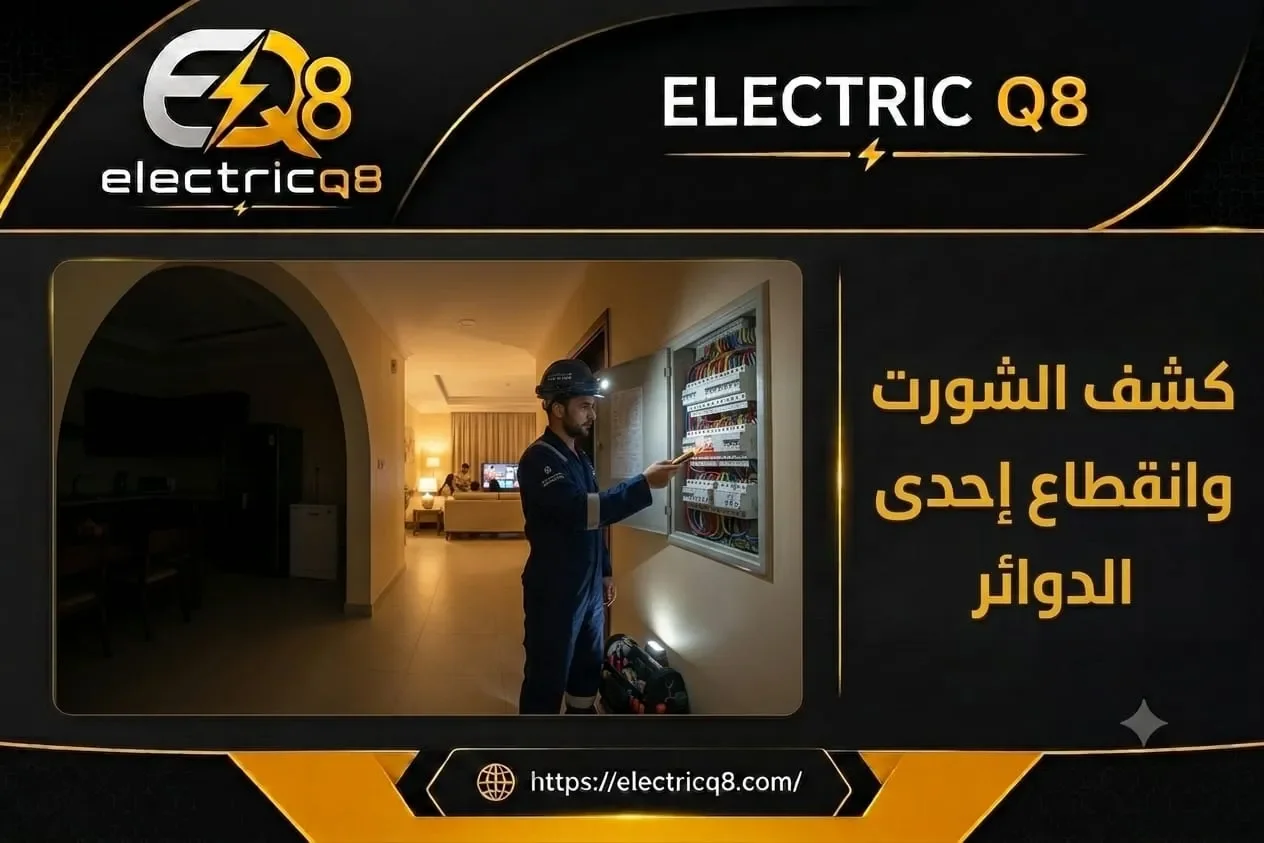
Separating shop signage from interior lighting can be particularly useful when the business needs to control its storefront illumination independently from the lights inside the premises. An illuminated sign attracts attention from outside and may operate on a different schedule from the sales floor and storage area lighting. Having organized control arrangements for each group can therefore make daily operation and maintenance more convenient.
However, it is essential to distinguish between independent switching and separate electrical circuits. A sign may have its own switch while still sharing the same electrical circuit as the interior lighting. In that situation, having a separate switch does not mean that a circuit fault cannot affect both lighting groups. If the objective is to reduce the impact of shared electrical faults, the power supply and protective arrangements must be reviewed rather than simply adding another switch.
Consider a shop inside a commercial mall that switches off its sales floor lighting at closing time while the building's operating rules allow the storefront sign to remain illuminated during specified hours. If both lighting systems are controlled by the same switch, the owner may need a different arrangement that complies with mall management requirements and operating schedules. If the actual problem is that a breaker trips and switches off both systems, however, the circuits need technical assessment rather than simply changing the operating schedule.
Separating the electrical supply should never involve taking an improvised connection from any nearby outlet or lighting point. The electrician must review the distribution panel and existing wiring to determine whether a separate circuit can be installed safely under an appropriate design.
The signage control device must also suit the electrical load. Some illuminated signs use electronic power supplies that may require control equipment selected according to their electrical characteristics. Timers and automatic switching arrangements must comply with the manufacturer's requirements and the approved electrical design.
The practical value of separation comes from clear control arrangements, documented electrical supply routes, and the ability to maintain the sign without unnecessarily interrupting unrelated areas whenever the design permits. Nevertheless, a shared interruption remains possible if the electricity source supplying all circuits develops a fault.
-
Having a separate switch for the illuminated sign does not necessarily mean that its electrical circuit is independent because switching control and electrical supply are different functions and both must be reviewed when the objective is to reduce shared interruptions
-
Different operating hours for the illuminated sign and interior sales lighting require suitable control arrangements particularly in commercial malls because storefront illumination schedules may be governed by building management requirements or the nature of the business
-
Installing a separate signage supply must follow a design that considers existing circuits protective arrangements and load specifications because taking electricity from the nearest outlet or lighting point may simply transfer the problem to another circuit instead of resolving it
Independent Circuit Breaker for Shop Signage
Installing an independent circuit breaker for shop signage helps identify the circuit supplying the illuminated sign and makes certain maintenance activities easier to organize. However, the breaker is not merely a switch for turning the sign on and off. It is a protective device with a specific function within the electrical system. Its type and rating must therefore be selected through appropriate calculations and a review of the connected components.
Some shop owners believe that installing a higher-rated circuit breaker will prevent the illuminated sign from tripping. This assumption can be dangerous because the breaker rating must be compatible with the circuit, cables, load characteristics, and protection requirements. If the breaker operates because of a fault, the cause must be identified and corrected rather than bypassing the intended protection.
It is also important to understand that a breaker labeled "Signage" inside the distribution panel does not automatically prove that the sign is the only equipment connected to it. Older electrical installations may include additional lighting points or other loads on the same circuit. The electrician must therefore verify the actual circuit arrangement before making changes or relying on existing labels.
Another consideration is the distinction between a circuit breaker in the distribution panel and an appropriate isolation arrangement for maintenance. Some equipment installations may require a means of isolation or disconnection in a particular location according to the design and safety requirements. A breaker located some distance away does not necessarily satisfy every requirement for safe isolation and maintenance.
If the illuminated sign contains several power supply units, their operating characteristics and protective requirements must be reviewed. Correct breaker selection depends on more than the nominal power rating and must also account for installation conditions, equipment characteristics, and coordination between protective devices.
After installation, the breaker should be clearly labeled, and the circuit it serves should be documented. This information is useful when the sign is repaired or replaced and helps prevent other parts of the shop from being disconnected unintentionally.
-
Selecting a signage circuit breaker depends on the circuit specifications cable characteristics power supplies and protective requirements because installing a higher-rated breaker simply to prevent tripping may compromise suitable protection without correcting the underlying fault
-
A breaker labeled as supplying the sign does not prove that the circuit is independent because older wiring arrangements may include additional lighting points and the actual circuit distribution must therefore be verified before changes are made
-
The signage circuit breaker and the isolation arrangement required for maintenance may serve different purposes depending on the electrical design because being able to switch off the sign does not automatically satisfy every requirement for safe electrical isolation during repairs
Electrical Wiring for Shop Signage
Electrical wiring for shop signage requires particular attention to the cable route between the electrical supply and the exterior storefront. The route may pass above a suspended ceiling, behind decorative panels, or through an area near the facade before reaching the sign itself. Each part of this route may have different installation conditions that the design must consider to prevent cable damage and avoid making future maintenance unnecessarily difficult.
In some shops, the illuminated sign is installed after all interior finishing work has been completed. The electrician may then have to find a new cable route between the distribution panel and the storefront despite closed ceilings and permanent wall cladding. It is therefore preferable to coordinate with the signage manufacturer before finishing work is completed to establish where the supply cable should enter the sign, where the power supply units will be located, and what connection arrangements are required.
Protecting the wiring where it passes from inside the shop to the exterior is especially important. Cable penetrations through walls and storefront structures need suitable treatment so that they do not become routes for water ingress or expose cables to abrasion against sharp edges. Connections and junction enclosures must also be appropriate for the outdoor exposure conditions under the electrical design.
Some illuminated signs are located far from the distribution panel or mounted at heights requiring suitable access equipment. In these situations, the cable route length, fixing method, and maintenance accessibility all affect the technical assessment and installation cost. Cable selection must take the electrical load and actual installation conditions into account.
Electrical connections should not be concealed in locations where they cannot be appropriately accessed for maintenance, and temporary connections above the storefront should not be treated as permanent solutions. Proper cable organization and documentation make future modifications easier if the illuminated sign is replaced or requires repairs.
Before the new electrical supply is energized, the appropriate inspections and tests should be completed by a qualified professional to verify that the installation is safe and compatible with the approved design.
-
Establishing the power cable entry point in coordination with the signage manufacturer before interior finishing is closed reduces construction modifications because the sign's physical design and power supply locations influence the required wiring route
-
Protecting the cable where it passes from the shop interior to the exterior facade helps reduce exposure to abrasion and moisture because cable penetrations and junction enclosures require installation methods suitable for the site rather than simply hiding the wiring from view
-
Cable route length signage installation height and maintenance accessibility influence the installation method and overall cost because a short supply route to an easily accessible storefront differs from a long route requiring access equipment and additional finishing work
Dividing Electrical Circuits in a Commercial Shop
Dividing electrical circuits in a commercial shop helps organize the operation of different areas and can reduce the impact of certain faults on business activities. However, the objective is not to increase the number of breakers randomly. It is to distribute electrical loads according to their characteristics, protective requirements, and intended use. Exterior signage, interior lighting, cash registers, and refrigeration equipment may require different arrangements depending on the shop's electrical design.
In a small shop, some lighting groups may be distributed across more than one circuit so that a fault limited to one group does not necessarily switch off every light in the sales area. In another business, particular equipment may require a dedicated electrical supply according to the manufacturer's specifications. Circuit distribution must still respect the available supply capacity, wiring requirements, and protective arrangements rather than being treated as an automatic solution to every electrical problem.
One common misunderstanding is that connecting equipment to several circuit breakers increases the electrical capacity available to the shop. If the main electrical supply has limited capacity, adding branch circuits does not increase that original capacity. Electrical loads and supply characteristics must be assessed before adding equipment or changing circuit distribution.
Not every shared interruption indicates poor circuit separation either. Circuits may be correctly separated while still sharing an upstream protective device or a common electricity source. The electrician must therefore review coordination between protective devices and identify which faults can reasonably be isolated and which may affect the entire premises.
From an operational perspective, organized circuit distribution can make maintenance more manageable. If the storefront sign requires repairs, it may be possible to isolate its circuit without disconnecting the sales area lighting, provided the design supports that arrangement. Similar considerations apply to other equipment groups within the shop.
The final circuit distribution should be documented through electrical drawings and clear panel labels. These records become particularly valuable if the tenant changes or the business activity is modified several years later.
-
Distributing signage lighting and equipment circuits according to their electrical characteristics helps organize operation and maintenance because a carefully designed circuit arrangement is different from simply adding numerous breakers without knowing which loads they actually supply
-
Increasing the number of branch circuits does not increase the available electrical capacity because they may all depend on one main supply with limited capacity and any expansion must therefore include a review of electrical loads and supply requirements
-
Documenting circuit distribution inside the electrical panel supports future maintenance and changes in business activity because identifying the areas and equipment connected to each circuit reduces guesswork and unintended interruptions during electrical work
Repairing Electrical Faults in Shop Signage
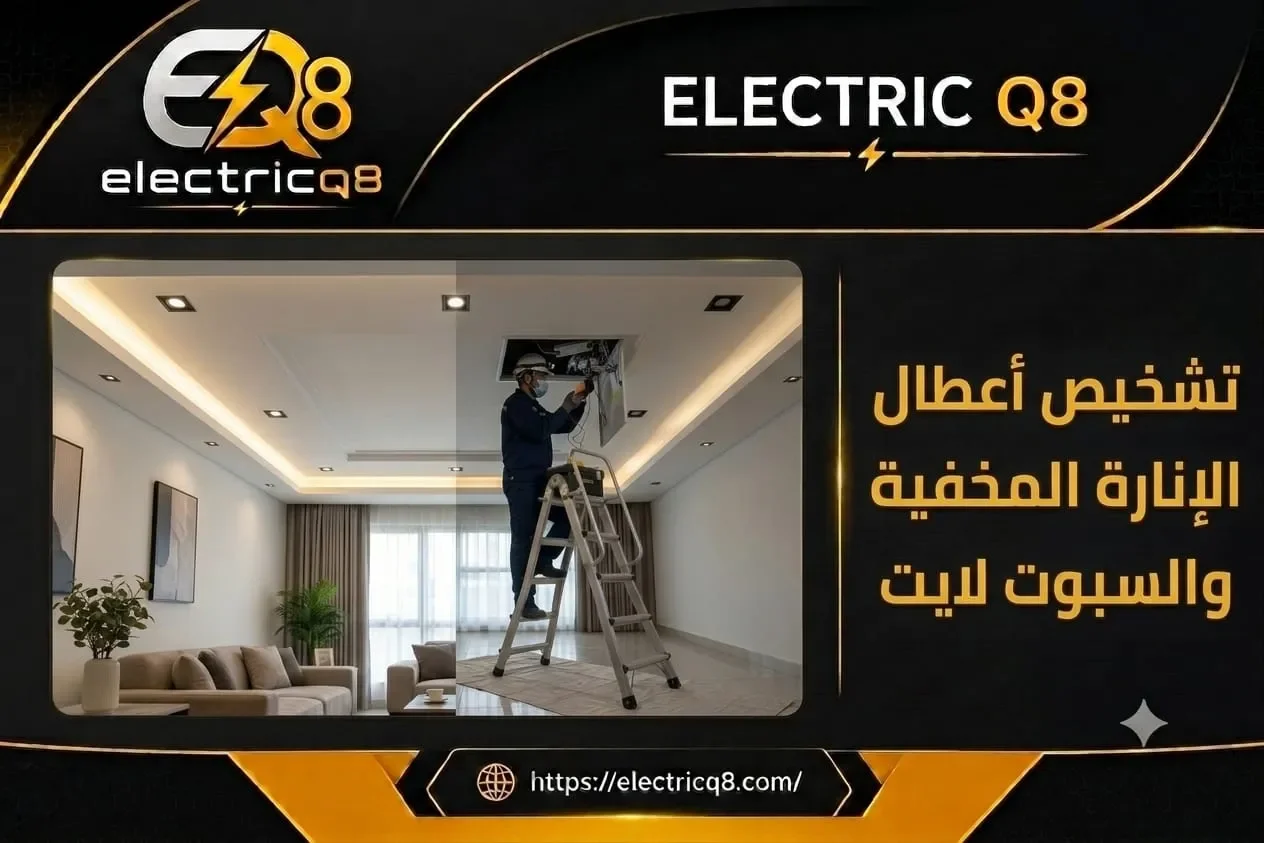
Repairing electrical faults in shop signage begins with identifying the location of the problem rather than replacing components at random. If the entire sign is dark, the possible causes differ from a situation where only one illuminated letter has stopped working or a particular section repeatedly flickers. The problem may involve the electrical supply from the shop, a power supply unit, the lighting modules, or connections inside the sign.
It is useful for the shop owner to observe visible symptoms and describe them to the electrician without opening the sign or attempting to inspect its electrical connections. For example, does the interruption affect the entire sign? Does the problem appear after the sign has been operating for some time? Did it begin during rainfall or after the storefront was cleaned? These observations help guide the inspection, but they do not replace professional electrical testing.
If the sign causes a circuit breaker to trip when it is switched on, the electrician must treat the situation as a possible electrical fault requiring diagnosis. Repeatedly resetting the breaker may restore power to an unsafe installation. Similarly, replacing a power supply unit without confirming compatibility with the lighting modules may allow the original fault to continue or create additional problems.
Damaged junction enclosures and moisture entering exterior electrical components are also important possibilities. Proper repair addresses the source of the problem and verifies the condition of affected components rather than temporarily drying the area and restoring power without further assessment.
It is essential to distinguish between a fault inside the illuminated sign and a problem with its supply line. If the supply is suitable but only certain letters are not operating, the repair may involve components inside the sign. If the problem is associated with the circuit or protective devices, replacing the lighting modules alone will not resolve it.
After repairs, the appropriate inspections and tests should be performed, and the sign should be checked for operation according to its specifications. If the underlying cause is associated with circuit design, an approved electrical modification may be necessary rather than simply replacing the damaged component.
-
Identifying whether the fault affects the entire illuminated sign or only particular letters helps direct the inspection because a complete interruption to the sign's power supply differs from a defective power supply unit or individual lighting module
-
Observing whether the problem is associated with rainfall operating duration or switching on the sign provides useful information for the electrician but does not establish the cause without testing because similar symptoms can result from moisture connections or electronic component faults
-
Replacing a damaged component without addressing the underlying cause may allow the fault to return because failure of a power supply unit or junction enclosure can be associated with installation conditions or protective arrangements that require correction before operation resumes
Shop Signage Electrician in Kuwait
Choosing a shop signage electrician in Kuwait requires someone who understands the relationship between illuminated signs, the shop's wiring, the electrical distribution panel, and protective devices. Not every signage problem means that the LED modules need replacing, and not every tripped breaker indicates an excessive electrical load. Proper diagnosis establishes whether the fault involves the circuit, the sign's components, or the shared electricity supply.
When contacting an electrician because the sign and interior lighting have stopped working together, it is useful to explain the symptoms, when they first appeared, and whether the problem affects the entire shop or only a particular area. A qualified electrician reviews the extent of the interruption and identifies the appropriate checks rather than making a final diagnosis from a brief telephone description.
The required scope of work also needs to be understood. Some repairs involve replacing a power supply unit or correcting connections inside the illuminated sign, while others require installing a new supply cable or modifying the circuit arrangement inside the distribution panel. These differences affect materials, working time, and cost. Repairs to a sign mounted at height may also require safe access equipment and coordination with building management or the party responsible for the facade.
When comparing prices, the cost of replacing a single component should not be the only consideration. If the actual problem is damaged insulation or a defective cable route, replacing that component alone may be an incomplete solution. The electrician should explain what has been inspected, what requires repair, and whether additional work is needed on the electrical supply.
Replacement components must also be compatible with the sign's specifications. Unsuitable power supplies or protective devices should not be installed simply because they are readily available. If the repair requires changes inside the distribution panel or to the electrical circuits, the work must be carried out by a qualified specialist according to applicable technical and regulatory requirements.
The most appropriate service is one that addresses the cause of the fault, clearly explains the scope of the repair, and leaves the circuits properly identified and maintainable without making unrealistic promises that every future electrical problem can be prevented.
-
Choosing an electrician who understands illuminated signage and its associated electrical circuits helps distinguish between lighting module failures power supply faults and wiring problems because replacing working components will not correct a defect in the supply cable or protective arrangement
-
The cost of repairing illuminated signage depends on the fault location installation height and whether access equipment or new wiring is required because repairing one illuminated letter on an accessible sign differs from correcting a damaged exterior supply cable
-
A suitable electrician explains the cause of the problem repair scope and specifications of replacement components before work begins because an effective solution involves more than temporarily restoring illumination and should address the fault safely in accordance with the electrical design
Conclusion
Separating the electrical supply for illuminated shop signage from interior lighting is a useful way to organize circuits and reduce the likelihood of both systems stopping because of a fault limited to one of them. However, successful separation depends on proper electrical design and ensuring that cables, circuit breakers, and power supply units are compatible with the sign's requirements rather than simply installing an additional breaker. If the sign and interior lights repeatedly stop working together, the cause of the interruption must be identified before modifying connections because the problem may involve a shared circuit, protective device, or main electricity supply. The work should be completed by a qualified electrician who reviews outdoor installation conditions, selects appropriate protection, and documents the circuits after repairs. This approach makes the illuminated sign easier to operate and maintain while reducing the impact of certain signage faults on interior lighting, without assuming that circuit separation can prevent every type of power interruption.
Frequently Asked Questions
Does separating the shop sign from interior lighting prevent both from switching off together?
It helps reduce the likelihood of both systems stopping if a fault is limited to one circuit and the protective devices are appropriately coordinated. However, it cannot prevent shared interruptions caused by problems with the main breaker, electricity supply, or common protective devices.
Why do my illuminated shop sign and interior lights switch off at the same time?
They may be connected to the same electrical circuit, affected by a shared protective device, or experiencing a problem with the main power supply. Identifying the cause requires inspecting circuit distribution, protective arrangements, and wiring connections rather than relying only on the timing of the interruption.
Is installing a separate breaker for the shop sign enough to solve the problem?
Not always. The breaker must be part of a properly designed circuit with suitable wiring and protective arrangements. If the interruption is caused by damaged insulation, a defective power supply unit, or faulty connections, installing another breaker without correcting the cause is not a complete repair.
Can rain cause an illuminated shop sign's circuit breaker to trip?
Yes. If water enters exterior electrical components or cable insulation deteriorates, electrical faults may occur. However, the problem appearing during rainfall does not prove the cause by itself. A professional inspection is necessary before the affected circuit is returned to service.
How much does separating shop signage from lighting cost in Kuwait?
The cost depends on the existing circuit arrangement, distance between the distribution panel and the sign, condition of the wiring, protective requirements, and accessibility of the storefront. Accurate pricing requires a site inspection or sufficient technical information to determine whether the work involves a limited modification or installation of a completely new circuit.



