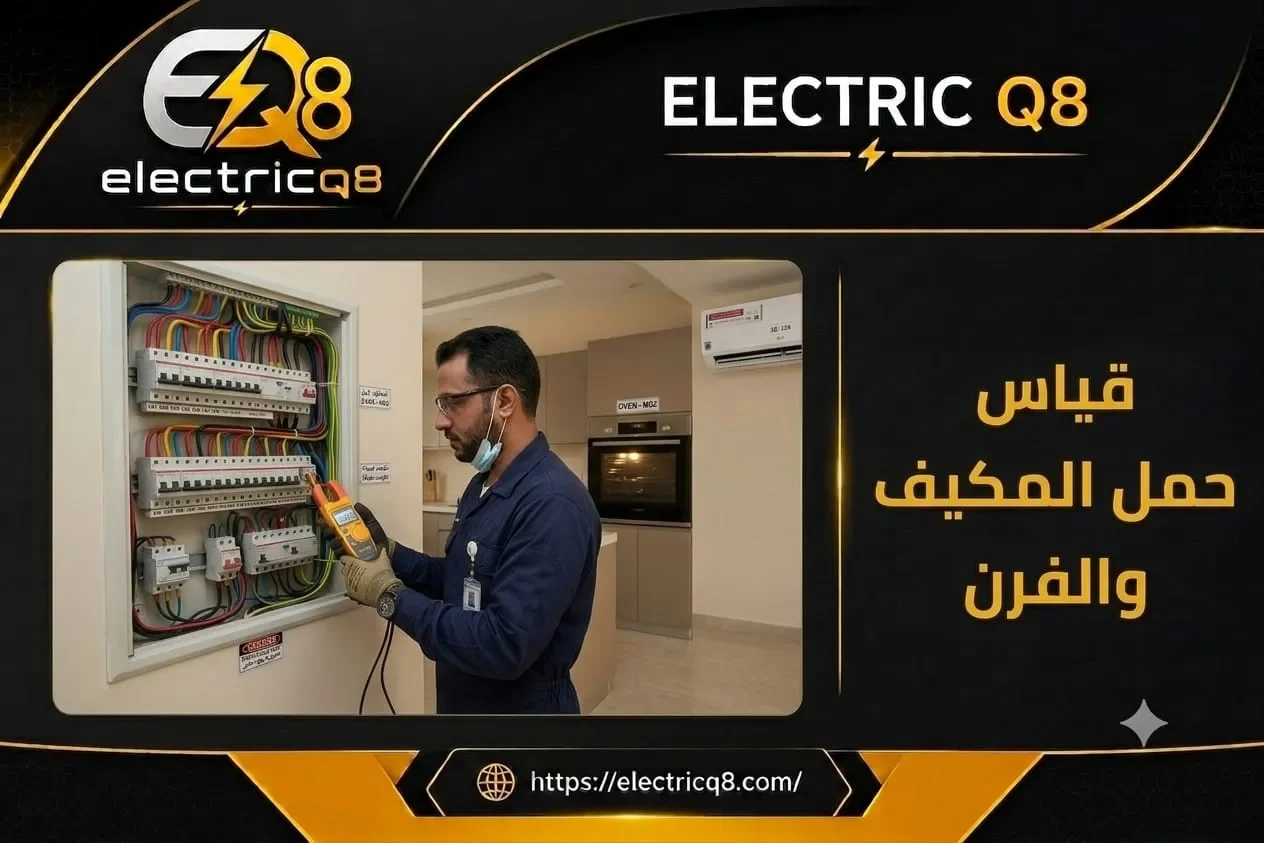
If you notice the lights dimming when the air conditioner starts or remaining noticeably weaker while it is running, do not begin by replacing the bulbs or circuit breaker before finding out what is happening to the voltage when the load is applied. Starting an air conditioner can reveal an electrical issue that may not be noticeable when the circuit is lightly loaded, such as voltage drop, a connection that needs inspection, a load distribution issue, or a condition related to the AC circuit itself. There is an important difference between a brief voltage change during startup and noticeable dimming that continues or repeatedly occurs. Professional diagnosis compares voltage and lighting behavior before the AC starts, during startup, and while it is running, then identifies the source instead of replacing electrical components by guesswork.
Lights Dim When the Air Conditioner Starts

When lights dim when the air conditioner starts, the first detail that matters to the electrician is exactly how the dimming behaves. Do the lights become weaker for only a very brief moment when the AC starts and then immediately return to normal? Or do they remain dim throughout the time the air conditioner is operating? Does the same thing happen with only one AC unit or when other high-load appliances are switched on as well? These scenarios point toward different areas of investigation because a brief change during equipment startup is not the same as a voltage reduction that continues while the equipment is running.
The next step is determining the extent of the problem inside the home. If the dimming appears only in lights within one room or one particular circuit, the diagnostic direction differs from a situation where lighting in several rooms or large parts of the home is affected. If the same lights also become dim when appliances other than the air conditioner are switched on, that information changes the picture again. The objective is to determine whether the condition is related to the lighting circuit, the AC circuit, a shared supply path, or a broader electrical issue that requires assessment. A single visible symptom should not be used to reach a conclusion before determining where and when it occurs.
One common mistake is replacing LED lamps because the light output is where the symptom becomes visible. In this situation, the lamp may simply be revealing an electrical change occurring elsewhere in the system. Replacing a breaker or installing a larger breaker is also not a proper solution for voltage drop without diagnosis. A qualified electrician compares system behavior under load, reviews the relevant circuit and connections, and evaluates the factors associated with the problem before deciding what action is appropriate. If dimming is accompanied by a burning smell, severe heat, crackling, or sparks, the condition requires urgent attention rather than repeatedly operating the AC to observe what happens.
-
The duration of the lighting change is diagnostically important because dimming that appears only at the moment the air conditioner starts differs from a voltage reduction that remains throughout operation and each pattern requires an assessment appropriate to its behavior.
-
Determining whether the effect is limited to one room or appears across several parts of the home helps narrow the inspection scope instead of beginning with unnecessary replacement of lamps or electrical panel components without supporting evidence.
-
If dimming is accompanied by a burning smell, abnormal heat, electrical noise, or sparking, the AC should not be repeatedly switched on to reproduce the symptom at home and the affected electrical system should receive urgent inspection by a qualified professional.
Voltage Drop When the Air Conditioner Starts
Voltage drop when the air conditioner starts should be assessed using measurements connected to actual operating conditions rather than simply noticing that the light output has changed. The electrician needs to understand the voltage under appropriate conditions before the load is introduced, how it changes when the air conditioner starts, and what happens once the unit reaches normal operation. The diagnostic value does not come from reading one number once because the useful information comes from comparing electrical behavior under different operating conditions and relating those measurements to the location where they were taken and the extent of the problem.
An air conditioner can behave differently during startup compared with stable operation, which makes the timing of the voltage change important. If the change occurs only when the AC starts and the lighting quickly returns to normal, the electrician focuses on that stage of operation. If the voltage remains noticeably reduced while the air conditioner continues running, the investigation shifts toward sustained load conditions and the electrical path supplying the affected area. A single universal number should not be applied to every property because voltage-drop assessment depends on the electrical system, circuit design, equipment requirements, and applicable electrical standards.
It is also necessary to determine where the voltage drop is occurring. A measurement taken at one location may confirm that a problem exists but may not identify where it begins. The electrician compares results at appropriate parts of the system when necessary to narrow the fault area and determine whether the change is associated with one circuit or a shared supply path. This requires suitable electrical measuring equipment and a qualified person who can work safely around the electrical system. It should not become a DIY experiment inside the electrical panel. The real value of the inspection is not simply saying that “the voltage is low” but identifying when it falls, where the change appears, and what electrical condition is associated with it.
-
Measuring voltage before the AC starts, during startup, and after the equipment reaches stable operation provides stronger diagnostic information than a single reading because the same electrical problem may appear only during a particular stage of equipment operation.
-
A voltage drop that continues while the air conditioner is running has a different diagnostic meaning from a brief change during startup so accurately describing when the lights dim helps the electrician select the appropriate measurements and inspection scope.
-
Locating the source of voltage drop requires carefully selected measurements at appropriate points in the system by a qualified electrician because a low reading at one location does not by itself establish whether the cause is within the circuit or along a broader supply path.
Lights Become Dim When the AC Is Running
When lights become dim when the AC is running, the lamps themselves are not automatically the cause. If several otherwise functional lights change brightness at the same moment the air conditioner starts, the timing relationship between the two events may be more important than the age of the lamps. The first thing to establish is whether the issue affects an entire group of lights or only one lamp. A single lamp behaving differently from the rest of the room may need its own assessment, while several lights changing together under load directs attention toward factors shared by those lighting points.
The type of lighting can also influence how a voltage change becomes visually noticeable. Some electronic LED lighting systems may make a particular change in the electrical supply more visible while other lighting systems may display the condition differently. However, this does not mean every case of dimming is caused by an LED driver or that replacing the lamps with another type will solve the problem. When the symptom repeatedly corresponds with AC operation, the priority is understanding the electrical relationship between the load and the supply before investigating the lighting equipment itself if evidence points in that direction.
Practical comparisons are especially useful. Do the lights also become dim when an oven or another high-load appliance starts? Did the problem begin after a new air conditioner was installed? Was it present before but has become more noticeable? Does it happen with one specific AC unit but not the others? These questions provide useful context and prevent random component replacement. If testing shows that the lamps are not the cause, the repair can then focus on the actual electrical problem rather than installing new lighting that may behave in exactly the same way the next time the air conditioner starts.
-
Several lamps changing brightness at the same moment the AC starts is diagnostically different from one isolated lamp becoming dim because group behavior points toward a shared factor while an individual lighting fault may exist within the lamp or fixture itself.
-
Seeing the same lighting change when other high-load appliances operate provides valuable information about the extent of the issue and prevents diagnosis from being limited to the air conditioner simply because it was the first appliance associated with the visible symptom.
-
Replacing functional lamps without examining the relationship between load and voltage may change the appearance of the lighting without correcting the cause because the new lamps can still be exposed to the same electrical conditions if the problem is within the supply or circuit.
Voltage Drops When the Air Conditioner Runs
A voltage drop when the air conditioner runs should be understood as an operating condition with a specific time, location, and scope rather than simply as a low number appearing on a measuring instrument. If the voltage reduction is associated only with the moment the AC starts, the electrician focuses on circuit behavior during load startup and compares it with the condition after the equipment stabilizes. If the voltage remains low while the air conditioner continues operating, the situation is different and requires a broader review of the electrical path under sustained load. Distinguishing these conditions prevents every case of dim lighting from being diagnosed in the same way.
The measurement should also be connected with the symptoms visible throughout the home. Are only the lights changing in brightness or are other appliances affected as well? Does the voltage reduction occur with one specific AC unit but not another? Did it begin after the air conditioner was replaced or additional equipment was installed? The answers do not establish the final diagnosis by themselves, but they help define the conditions under which meaningful measurements should be taken. An electrician does not need to switch the air conditioner on and off repeatedly without purpose but instead selects appropriate tests and interprets the results in the context of the circuit and load.
It is important not to attempt to correct a voltage reduction by installing a larger circuit breaker or modifying electrical connections without inspection. A breaker is a protective device and changing it does not automatically increase the voltage. It is also inappropriate to assume that the problem originates from the utility supply or from the home's internal wiring before its extent is established. A voltage reduction limited to one area requires a different diagnostic path from a change affecting a much wider area. Comparative measurements help separate these possibilities instead of relying on assumptions.
-
A voltage reduction that occurs only at the moment the AC starts should be evaluated differently from one that continues throughout operation because the timing of the change provides important information about the nature of the problem.
-
Connecting the measurement with the specific air conditioner and the appliances and areas affected helps define the scope of the fault rather than assuming that every voltage reduction comes from the general supply or means that the AC itself is defective.
-
Installing a higher-rated breaker is not a solution for voltage drop because the breaker is a protective component and proper correction begins with measuring electrical behavior under load and identifying the location of the problem before changing components.
Weak Electricity When the Air Conditioner Starts

The phrase weak electricity when the air conditioner starts can describe several different symptoms that may have different causes. One customer may mean that the lights dim briefly when the AC starts while another notices several appliances being affected and someone else may see the problem only in one room. The first diagnostic step is therefore turning the general description of “weak electricity” into a clear symptom: what exactly changes, how long does it last, when does normal operation return, and which parts of the home are affected?
If the weakness appears across several circuits when the air conditioner operates, the electrician needs to determine what those circuits have in common before concentrating on one point. If the problem is limited to a particular lighting circuit, its relationship with the supply path and the coinciding load should be assessed. Previous electrical modifications, the addition of a new air conditioner, or a change in the way an existing circuit is used can also provide valuable information because the symptom may have appeared after an actual change in system conditions.
The important point is that diagnosis should not turn into a list of parts to replace. Not every case of weak electricity requires a new electrical panel, not every situation requires a new dedicated circuit for the air conditioner, and not every problem is caused by the breaker. Sometimes testing identifies a localized repair while other cases justify a broader assessment. The better service is the one that establishes the scope of the problem first and then explains why the recommended work follows from the measurements and findings instead of selling a large repair simply because the symptom is inconvenient.
-
Clearly describing what “weak electricity” means turns a general complaint into a testable symptom because a light dimming briefly is different from several circuits being affected throughout the time the air conditioner is running.
-
Knowing whether the problem started after an AC installation, electrical modification, or change in circuit use provides useful diagnostic context but does not replace measurements and inspection before the cause is determined.
-
The appropriate solution may be localized or may require a broader review depending on the findings so a new panel, dedicated circuit, or different breaker should not be assumed necessary before the location of the voltage drop is established.
Room Lights Dim With the Air Conditioner
When room lights dim with the air conditioner in one particular room while the rest of the home does not show the same symptom, that observation is particularly useful because it narrows the search area. The electrician begins by understanding the relationship between the room lighting and the AC in terms of circuits and supply paths rather than assuming that the two must share a circuit simply because they are physically located in the same room. Their location within the room does not establish how the electrical wiring is actually arranged.
The next step is comparing the behavior of the lighting. Do all lights in the room dim by approximately the same amount? Is only one lighting point affected? Does the change happen only when the AC starts or when other appliances operate as well? If all the room lighting changes under load, this directs the inspection toward a shared factor while one isolated point may have a separate local problem in addition to or instead of a voltage issue. This distinction prevents two different faults from being incorrectly combined into one diagnosis.
If the room uses dimming controls or electronic LED lighting, these components should also be considered without immediately assuming that they need replacement. The visible lighting change may be reflecting a supply problem or there may be a compatibility or lighting-component issue that makes the symptom more noticeable. The electrician distinguishes between these possibilities through measurements and comparison. Replacing lamps alone may make the symptom less visually obvious or change the way it appears while leaving the underlying electrical condition unassessed.
-
Dimming limited to one room provides a different diagnostic direction from dimming throughout the home because defining the affected area helps determine whether inspection should begin with a local circuit or a broader shared supply path.
-
Having the air conditioner and lighting in the same room does not prove they are supplied by the same circuit so diagnosis should be based on the actual wiring arrangement and measurements rather than physical location alone.
-
If only one lamp is affected while the rest of the room remains stable there may be a local lighting problem while an entire group changing with AC operation makes investigation of a shared electrical factor more important.
Measuring Electrical Voltage Drop
Measuring electrical voltage drop becomes useful when it is performed under the conditions in which the symptom actually occurs and in a way that allows meaningful comparison. A voltage reading taken while the circuit is carrying very little load may appear normal even though its behavior changes after the air conditioner starts. For this reason, the electrician focuses on the difference between operating conditions rather than relying on one isolated number recorded when the problem was not occurring.
The measurement location also matters. The purpose is not to collect the largest possible number of readings but to select appropriate points that help identify where the electrical change begins. If a change appears at one location but not another, that difference may help narrow the investigation. Interpreting these measurements requires knowledge of the electrical system, circuit, load, and test equipment, which is why inspection inside electrical panels should not become a DIY experiment with a meter and exposed energized components.
A general number found online should also not be applied to every home without context. Voltage-drop assessment depends on system conditions, circuit length, electrical load, circuit design, equipment requirements, and applicable standards. A qualified electrician interprets the measurements within the actual installation and determines whether the change is related to the symptom reported by the customer. This is how the observation that “the lights become dim” becomes a measurable condition that can support an appropriate repair decision.
-
Measuring the circuit while the air conditioner is operating is more useful than taking a reading with little or no load because some voltage-related problems become clearly visible only when the load starts or continues operating.
-
Carefully selecting measurement points helps narrow the location of the problem instead of merely proving that the voltage has changed without identifying the part of the electrical system associated with that change.
-
Interpreting voltage drop depends on the system, load, circuit, and equipment requirements so one numerical value should not be treated as a universal judgment for every home and electrical installation.
Voltage Drop Under Load
Voltage drop under load means the circuit should be assessed while it is dealing with operating conditions related to the complaint rather than relying only on its behavior when little electrical demand is present. An air conditioner provides a clear example because everything may appear normal before it starts and then the lighting changes as the load is introduced. In this situation, the relationship between load and voltage is what needs to be examined rather than simply confirming that electricity is present.
The electrician also distinguishes between the load of the air conditioner itself and the total electrical load present when the symptom occurs. A customer may say that the AC causes the dimming, but reviewing the situation may reveal that the problem appears only when the air conditioner operates together with other appliances. That information changes the way circuit loading and distribution are assessed. In another situation, the symptom may appear even when the air conditioner is operating by itself, which directs the investigation differently.
Testing under load does not mean deliberately overloading the circuit or switching on random appliances until a fault occurs. Professional assessment recreates the normal operating conditions connected with the complaint in an appropriate way and uses suitable measurements. If the findings identify a problem in a particular part of the system, the corrective action can then be based on evidence. The objective is to repair the cause of the change during real use rather than presenting a circuit as satisfactory only because it looks normal when there is almost no load on it.
-
Comparing voltage before and during load reveals actual circuit behavior because a normal reading while the circuit is lightly loaded does not rule out a problem that appears only when the air conditioner starts.
-
Knowing which other appliances were operating when the lighting became dim helps distinguish a condition related to the air conditioner alone from one that appears when several electrical loads operate together.
-
Testing under load should reproduce appropriate normal operating conditions rather than deliberately stressing the circuit because the purpose is to measure the real scenario associated with the complaint in a controlled and safe way.
Voltage Drop Inspection in Kuwait
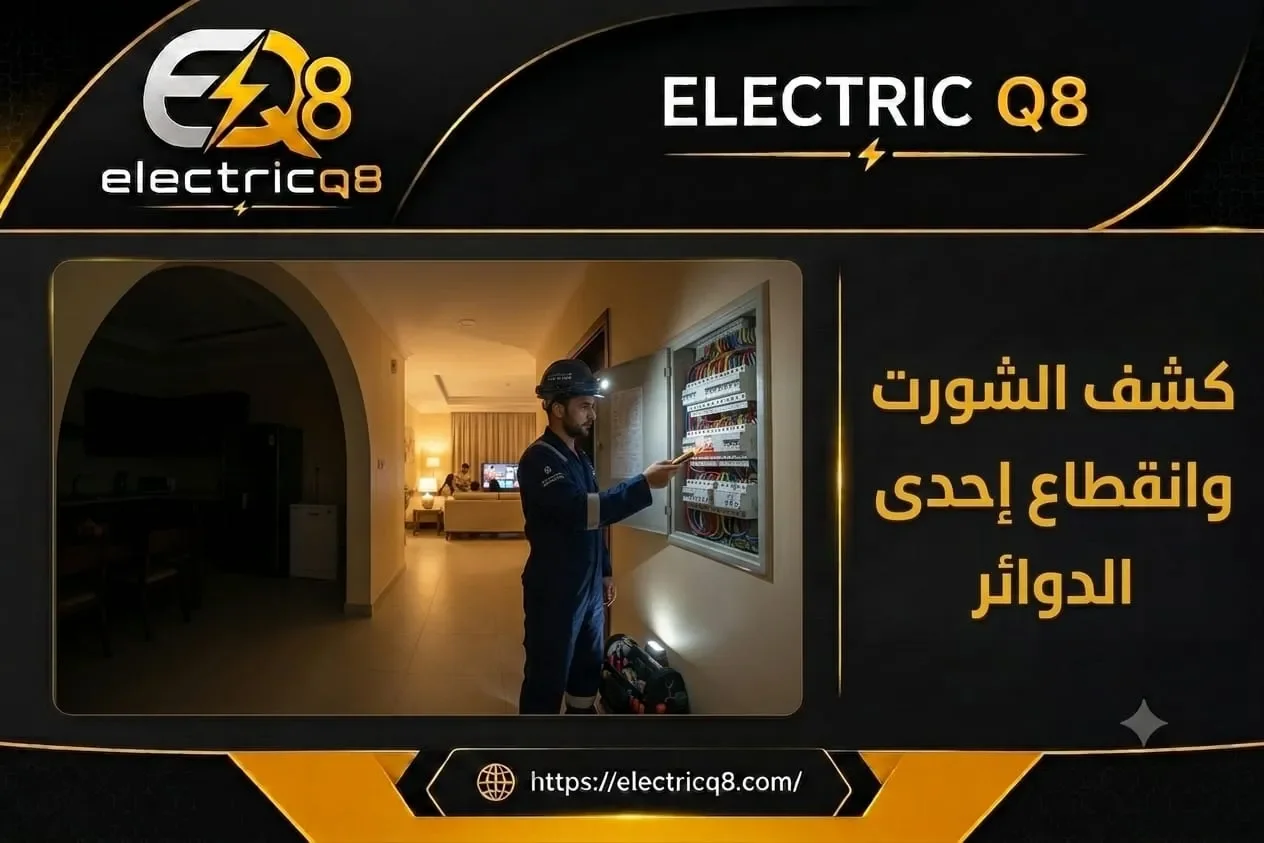
When requesting a voltage drop inspection in Kuwait, the objective should be to identify where the electrical change occurs and what is associated with it rather than simply obtaining a voltage reading. The electrician begins with the customer's description and identifies the affected areas, the appliances that coincide with the symptom, and when the problem began. Suitable measurements and inspections can then be selected for the actual condition. This approach is more efficient than replacing lamps or breakers first and waiting to see whether the problem returns.
A professional service should also distinguish between different areas of responsibility within the electrical system. If the findings indicate a problem within a particular internal circuit, that circuit can be investigated accordingly. If the results suggest that the voltage change extends beyond one circuit, the electrician should explain the limits of the inspection performed and whether another step is required involving the party responsible for another part of the supply. The important point is that responsibility should not be assigned before measurements support that conclusion.
When choosing an electrician, ask about the diagnostic approach rather than focusing only on the call-out price. Will electrical behavior be measured under load? Will the affected scope be identified? Will the findings be explained before replacement work is proposed? The final repair cost cannot be accurately determined before the cause is known because correcting a localized connection differs from modifying a circuit or dealing with a broader electrical issue. A clear quotation after diagnosis is more useful than a low price based on guesswork.
-
A useful voltage drop inspection identifies when the electrical change occurs where it appears and which loads are associated with it instead of providing the customer with one unexplained voltage reading.
-
A professional electrician distinguishes between what has actually been established within the inspected circuit and any possibility involving a broader supply path without assigning responsibility before measurements support the conclusion.
-
The cost of correction depends on the cause found during inspection so electrical services should be compared by diagnostic quality and proposed work scope rather than only by a low call-out price without knowing what it includes.
Fixing Weak Electricity When the AC Runs
Fixing weak electricity when the AC runs does not have one solution that applies to every home because the same visible symptom can result from different electrical conditions. If testing confirms a problem at a particular connection or electrical point, the repair should address that location. If the issue is related to circuit loading or distribution, a different solution may be required. If the symptom is associated with the air conditioner itself or its operating condition, the inspection should be directed accordingly instead of modifying the home's electrical system unnecessarily.
The most important step is avoiding quick solutions that are not supported by measurements. Installing a higher-rated breaker, replacing wiring randomly, buying new lamps, or adding another circuit without proper assessment can increase the cost without correcting the actual problem. Any circuit modification should be compatible with the load, conductors, protection, electrical system design, and equipment requirements. There is no single wire size or breaker rating that can safely be recommended for every case based only on the description of dimming lights.
After the repair, the original complaint should be tested again. The air conditioner should be operated under appropriate conditions while the lighting behavior is observed and relevant measurements are taken according to the work performed. If the electrical change has disappeared during a test connected to the identified cause, there is practical evidence supporting the effectiveness of the repair. If part of the problem remains, diagnosis should continue instead of declaring success simply because the air conditioner can operate. This final verification separates evidence-based repair from repair based on assumptions.
-
The correct solution depends on whether the cause is localized or associated with the circuit electrical loads or the air conditioner because similar visible symptoms do not mean that every property requires the same electrical repair.
-
Replacing a breaker or wire or adding a new circuit without measurements and appropriate design may increase the cost without resolving the problem so electrical modifications should be based on the system load conductors and protection requirements.
-
Retesting the lighting while the air conditioner operates after the repair connects the result directly with the original complaint and helps demonstrate whether the identified cause was actually corrected instead of simply confirming that the equipment can run.
Conclusion
If lights dim when the air conditioner starts, the problem does not necessarily begin with the lamps and the solution is not automatically a new breaker or a dedicated electrical circuit. The important first step is to determine how the symptom behaves, when it appears, how long it lasts, and which areas of the home are affected, followed by measuring electrical voltage drop under appropriate operating conditions. Comparing voltage before the AC starts, during load startup, and after stable operation helps the electrician understand the extent of the problem and direct the inspection instead of replacing components by guesswork. If the dimming is accompanied by a burning smell, sparks, severe overheating, or unusual electrical sounds, do not continue operating the air conditioner to reproduce the symptom. Stop using the affected area safely and arrange an inspection by a qualified electrician.
Frequently Asked Questions
Does brief dimming when the AC starts mean there is a fault?
Not every brief lighting change has the same significance, so its duration, severity, and extent should be evaluated. If the dimming is noticeable, persistent, recently developed, or affects several circuits, inspection and measurements under load can help identify the cause rather than relying on visual observation alone.
Will replacing the bulbs fix dimming when the AC runs?
If the problem is caused by a change in the electrical supply or voltage drop, replacing the lamps will not correct the underlying cause. If only one lamp behaves abnormally, that particular lamp or fixture may need assessment. Determining whether the effect is isolated or affects a group of lights is important before replacement.
Do I need a new circuit for the AC if the lights dim?
Not necessarily. The need for a new or modified circuit should be determined after inspecting the air conditioner, circuit, loads, supply path, and relevant measurements. Installing a new circuit without establishing that the existing circuit design is related to the problem may add unnecessary work without correcting the actual cause.
How is voltage drop inspected?
The electrician compares voltage behavior under appropriate operating conditions, selects measurement points that help determine the scope of the problem, and relates the findings to the electrical load and circuit. Measurements inside electrical panels and circuits should be performed by a qualified person using appropriate equipment rather than as a DIY test on energized components.
How much does it cost to fix weak electricity when the AC runs?
There is no single price that applies to every case because the cost depends on the cause and the required repair scope. A localized connection problem is different from a circuit modification, load-distribution issue, or broader electrical problem, so the cost can be determined more accurately after diagnosis identifies the work that is actually needed.




