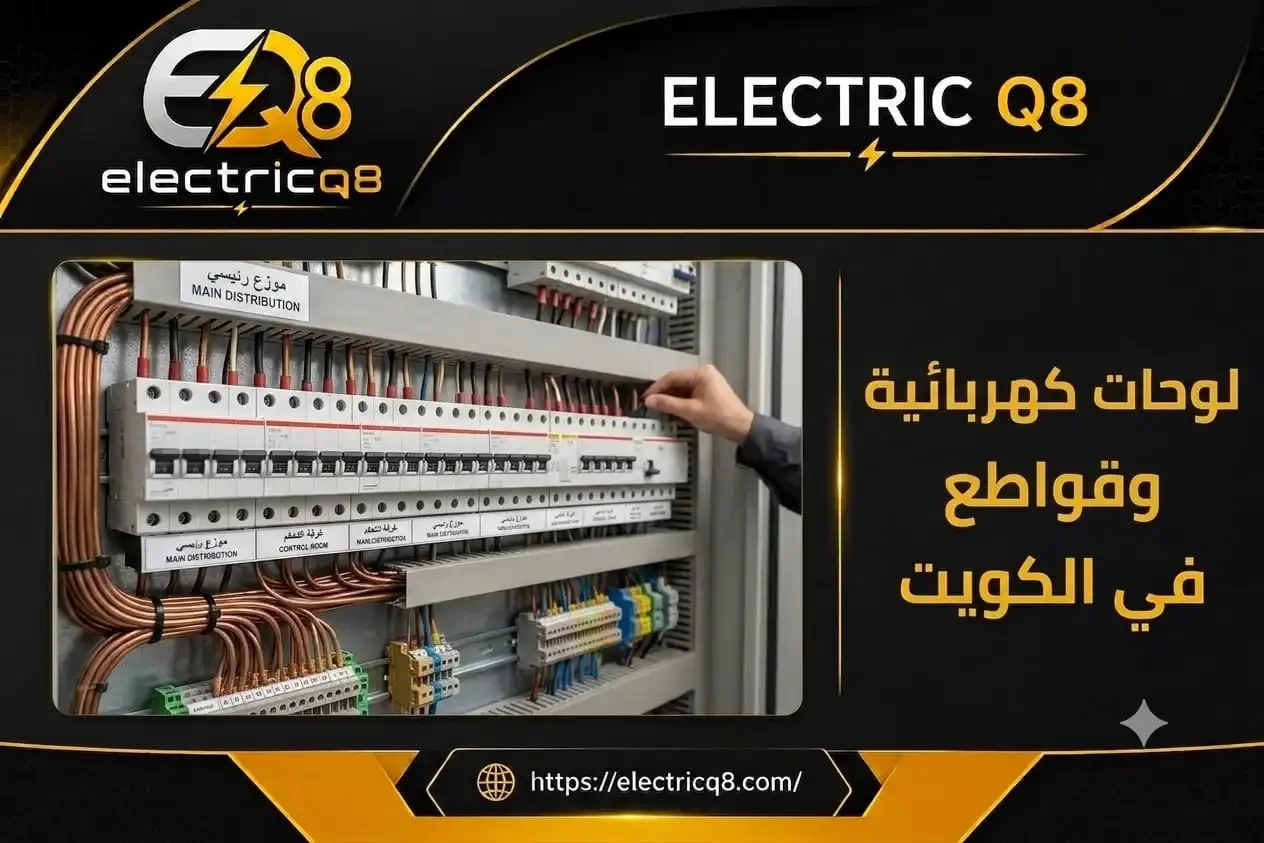
An electrical panel is the true heart of any electrical system in a home, villa, apartment, or commercial building. It serves as the central point where electrical power is distributed safely to every circuit while providing the protection required for each section of the installation. For this reason, the quality of an electrical panel is not determined merely by its appearance or the number of circuit breakers it contains. Its reliability depends on selecting the correct components, designing proper load distribution, installing every part with precision, and ensuring that the panel can support both the building's present electrical demand and its future expansion. When an electrical panel is installed professionally according to recognized engineering standards, the entire electrical system becomes safer, more stable, and more efficient, reducing unexpected failures while improving the performance of electrical appliances. This makes electrical panel installation one of the most important electrical services, where shortcuts or temporary solutions should never be considered.
Electrical Panel Installation Kuwait
Electrical Panel Installation Kuwait begins long before the panel is physically mounted on the wall because the most important stage is analyzing the building's electrical loads and determining the number of circuits that will be connected to the panel. Professional electricians or electrical engineers first review the electrical drawings and calculate both the current and anticipated future electrical demand before selecting a distribution panel with sufficient capacity to handle those requirements without being either oversized or undersized. They also determine the appropriate number of main and branch circuit breakers so that each circuit has its own independent protection, preventing electrical faults from spreading throughout the rest of the installation.
During installation, the panel is mounted in a location that allows convenient access for future maintenance while ensuring adequate ventilation and avoiding exposure to moisture, excessive heat, or other environmental conditions that could reduce its lifespan. Every cable inside the panel is arranged systematically, and all electrical circuits are clearly labeled to simplify future troubleshooting, maintenance, or expansion work. After installation has been completed, a comprehensive testing procedure is carried out, including verification of all electrical connections, voltage measurements, operational testing of both the main breaker and branch breakers, and evaluation of load distribution before the entire electrical system is energized. Practical field experience consistently shows that electrical panels installed following detailed engineering studies continue operating efficiently for many years with significantly fewer failures than panels selected or installed without proper planning.
Electrical Panel Replacement Kuwait
Electrical Panel Replacement Kuwait becomes a necessary investment whenever an existing panel begins showing signs that it can no longer support the building's electrical demands or maintain an acceptable level of safety. Common warning signs include frequent tripping of the main circuit breaker without an obvious cause, continuous overheating inside the panel, visible burn marks around breakers, or buzzing sounds during normal operation. In many older buildings, the problem does not originate from defective breakers themselves but rather from panels designed decades ago when electrical consumption was substantially lower than today's requirements. Modern homes now rely on powerful air-conditioning systems, electric kitchens, smart devices, charging stations, and numerous electrical appliances that older panels were never designed to support.
Replacing an electrical panel involves much more than removing the existing unit and installing another one in its place. Professional electricians first inspect every incoming and outgoing cable to verify that the existing wiring can safely carry current electrical loads. A new panel is then selected according to the property's actual electrical requirements while leaving additional capacity for future expansion. Every electrical circuit is reorganized to achieve better load balancing, damaged breakers or deteriorated connections are replaced, and the complete electrical installation undergoes extensive testing before power is restored. This systematic approach not only improves electrical safety but also increases system reliability, enhances appliance performance, and greatly reduces unexpected failures associated with outdated electrical panels.
Electrical Distribution Board Installation Kuwait
Electrical Distribution Board Installation Kuwait requires practical expertise that extends far beyond mounting a metal enclosure containing several circuit breakers because the distribution board serves as the central control point for the building's entire electrical network. Any mistake in its design, assembly, or wiring may affect every electrical circuit connected to it. The process therefore begins by determining the most appropriate type of distribution board according to whether it will serve a house, villa, apartment building, or commercial facility. Its capacity, number of outgoing circuits, and breaker configuration are then selected following a detailed analysis of both current and anticipated future electrical loads.
Circuit breakers are organized logically so lighting circuits remain independent from power outlet circuits, while high-demand equipment such as air-conditioning systems, water heaters, and major appliances receive dedicated circuits. This arrangement simplifies maintenance while ensuring that a fault occurring on one circuit does not interrupt electrical service throughout the entire building. During installation, all cables inside the distribution board are arranged neatly using professional cable management methods that prevent excessive cable pressure, overcrowding, or disorganized wiring over time. Every circuit is clearly labeled to simplify future inspections and maintenance work.
Upon completion of the installation, the distribution board undergoes detailed operational testing that includes verification of the main breaker, branch breakers, voltage measurements, current measurements, and evaluation of every electrical connection under actual operating loads. This level of precision results in an organized electrical distribution board that remains easy to maintain throughout its service life while providing property owners with confidence in the safety and reliability of the building's complete electrical system.
Main Circuit Breaker Installation
Main Circuit Breaker Installation is one of the most critical elements of electrical protection because the main breaker is responsible for disconnecting electrical power from the entire building whenever overloads, short circuits, or other dangerous conditions threaten the safety of the electrical installation or connected equipment. Selecting the correct main breaker therefore involves far more than purchasing a breaker that resembles the existing one. Engineers determine the appropriate breaker rating by carefully calculating the building's total electrical demand, the number of circuits, expected operating loads, and the maximum current likely to occur during normal operation.
Before installation begins, electricians measure the actual electrical load and inspect the main supply cables to verify that they are compatible with the selected breaker. Installing a breaker with excessive capacity may reduce the level of electrical protection, while installing one with insufficient capacity will result in unnecessary interruptions during normal operation. Compatibility between the breaker, the distribution panel, and the electrical distribution system is also verified carefully. Main cable connections are inspected thoroughly to ensure they are tightened correctly because loose connections frequently create excessive heat due to increased electrical resistance.
After installation has been completed, operational testing is performed under various load conditions to confirm that the breaker responds correctly whenever electrical demand changes. Connection temperatures are also monitored after the system has been operating for an appropriate period. Practical field experience repeatedly demonstrates that many electrical problems homeowners mistakenly attribute to household appliances are actually caused by incorrectly selected or improperly installed main circuit breakers that were never matched to the building's actual electrical load requirements.
Residential Electrical Panel Upgrade
A Residential Electrical Panel Upgrade involves much more than replacing aging circuit breakers because it represents a complete modernization of the home's electrical infrastructure to meet today's significantly higher electrical demands. Household electricity consumption has changed dramatically over recent years as homes now operate multiple air-conditioning systems, electric ovens, advanced kitchen appliances, electric vehicle chargers, smart home devices, and numerous electronic systems simultaneously, while older electrical panels were originally designed for much lighter loads.
The upgrade process begins with a complete evaluation of the existing electrical system, including the condition of the panel, circuit breakers, main cables, and their ability to support present electrical consumption. If deficiencies are identified, the existing panel is replaced with a larger, more advanced distribution panel containing additional circuits and improved protective devices capable of supporting modern electrical requirements safely. Internal wiring is reorganized carefully, damaged components are replaced, and every breaker is clearly labeled to simplify future maintenance procedures.
After completion of the upgrade, comprehensive testing verifies voltage stability, correct load distribution, breaker performance, and overall system reliability under varying operating conditions. The final result is not merely a newer electrical panel but a modern electrical system capable of supporting future technological developments while providing homeowners with improved safety, stability, and long-term reliability without requiring repeated modifications each time new electrical equipment is installed.
Electrical Panel Installation Technician
The success of any electrical project depends on the experience of an Electrical Panel Installation Technician far more than it depends on the quality of the electrical panel itself. Even the highest-quality electrical components cannot deliver reliable performance if they are installed incorrectly. A professional technician never begins by simply mounting the panel. Instead, the first step is reviewing the electrical drawings, comparing them with the actual site conditions, confirming the number of electrical circuits, verifying circuit breaker ratings, checking cable sizes, and evaluating the electrical loads throughout the building.
The technician also determines the most appropriate location for the electrical panel to ensure easy access for future maintenance while maintaining proper ventilation and complying with electrical safety requirements. Once installation begins, every cable is organized inside the panel according to a logical arrangement that allows future inspections and repairs to be completed without dismantling large portions of the wiring. Every electrical connection is tightened using the correct torque specifications because many cases of overheating inside electrical panels are caused by a single loose connection rather than a defective electrical component.
After installation has been completed, the technician does not simply restore electrical power and leave the site. A complete commissioning process follows, including voltage measurements, circuit breaker testing, verification of load distribution, and thermal inspections to ensure that no connection experiences abnormal heating while the system operates under normal electrical demand. These seemingly small details distinguish highly qualified electrical panel specialists from ordinary installation work and provide homeowners with a dependable electrical distribution panel capable of operating safely and efficiently for many years.
Electrical Panel Maintenance
Electrical Panel Maintenance is one of the most valuable preventive electrical services because it helps maintain the stability of the entire electrical system while preventing many problems before they develop into costly failures. Most electrical faults do not occur suddenly. Instead, they are usually preceded by warning signs that can be detected during routine inspections. Professional maintenance therefore begins by disconnecting the electrical supply safely before opening the panel and carrying out a detailed visual inspection of every internal component. Electricians look for signs of discoloration, overheating, insulation deterioration, burn marks, corrosion, moisture, dust accumulation, or loose electrical connections that may eventually lead to serious electrical failures.
Maintenance extends far beyond visual inspection. Circuit breakers are tested to verify that they disconnect electrical power correctly during overloads or short circuits. Voltage, current, and load balance measurements are taken throughout the electrical system to confirm proper operation under normal conditions. The interior of the electrical panel is cleaned carefully to remove dust and contaminants that may reduce insulation performance or shorten the lifespan of electrical components. Practical field experience consistently demonstrates that electrical panels receiving regular preventive maintenance experience significantly fewer failures than panels inspected only after problems occur. Preventive maintenance should therefore be viewed as a long-term investment that protects electrical appliances, reduces unexpected power interruptions, and extends the operational lifespan of the entire electrical distribution system.
Electrical Load Distribution
Electrical Load Distribution is one of the most important factors affecting both the efficiency and safety of any electrical panel because many electrical problems result not from poor-quality panels or defective circuit breakers but from concentrating excessive electrical demand onto a single circuit while leaving other circuits lightly loaded. Professional load distribution therefore begins with a detailed evaluation of every electrical appliance within the property before classifying equipment according to power consumption and operating characteristics. Electrical loads are then divided among independent circuits to achieve balanced current distribution throughout the electrical panel.
Lighting circuits remain completely separate from power outlet circuits, while dedicated electrical lines are allocated for air-conditioning systems, electric ovens, water heaters, pumps, and other high-consumption equipment. This arrangement reduces unnecessary stress on the main circuit breaker while improving the overall stability of the electrical installation. Engineers also consider future electrical expansion during the design stage by reserving spare circuits that can accommodate additional equipment without requiring the electrical panel to be redesigned or replaced later.
After installation has been completed, actual electrical measurements are taken while the building is operating normally to verify that electrical current remains balanced across all circuits and that no individual circuit consistently operates close to its maximum rated capacity. Proper load balancing significantly reduces internal panel temperatures, increases the lifespan of breakers and electrical cables, improves voltage stability throughout the building, and minimizes unnecessary electrical failures. For this reason, the quality of an electrical panel should never be judged by the number of breakers it contains but by how intelligently electrical loads have been distributed according to accurate engineering calculations and real operating conditions.
Replacing an Old Electrical Panel
Replacing an Old Electrical Panel becomes essential whenever an existing panel reaches the end of its service life or can no longer support modern electrical demands, particularly in older buildings where the electrical system has never been upgraded. Many aging panels were originally designed when homes contained relatively few electrical appliances. Modern properties, however, often operate multiple air-conditioning units, electric kitchens, smart home technologies, advanced entertainment systems, and numerous electronic devices simultaneously, creating electrical demands far beyond the original design capacity.
The replacement process begins with a comprehensive inspection of the entire electrical installation rather than focusing only on the panel itself. Electricians evaluate the condition of the main supply cables, conductor sizes, grounding system, circuit breaker ratings, and every major electrical connection to determine whether they remain suitable for the upgraded panel. A modern distribution panel offering greater protection, improved organization, and additional capacity for future expansion is then selected according to the building's actual electrical requirements.
During installation, every electrical circuit is reorganized carefully, damaged wiring and overheated connections are replaced where necessary, and obsolete electrical components are removed. After installation has been completed, extensive operational testing is performed while the building operates under realistic electrical loads. These tests verify voltage stability, breaker performance, connection temperatures, and overall system reliability. Replacing an outdated electrical panel therefore improves not only electrical safety but also the efficiency, reliability, and long-term performance of the entire electrical installation.
Electrical Distribution Panel Installation
Electrical Distribution Panel Installation represents the stage where every electrical circuit within a building is integrated into one coordinated electrical system. The success of this work depends primarily on engineering design rather than simply mounting electrical equipment. The process begins by determining the appropriate type of distribution panel according to whether it will serve a residence, villa, apartment complex, commercial building, or industrial facility. Engineers then specify the number of outgoing circuits, breaker capacities, and circuit arrangements according to both present electrical demand and anticipated future expansion.
High-quality electrical components capable of withstanding continuous operation are selected to maximize reliability and safety. During installation, every cable is organized professionally inside the panel using structured cable management techniques that simplify future maintenance while reducing heat accumulation. Every circuit receives a clear identification label so future inspections and troubleshooting can be performed quickly and accurately. Adequate spacing is maintained between electrical components to improve ventilation and minimize temperature buildup during continuous operation.
Once installation has been completed, the electrical distribution panel undergoes comprehensive commissioning tests including voltage measurements, current measurements, breaker response verification, load distribution analysis, and full operational testing under conditions that closely simulate everyday electrical usage. When installed according to these professional standards, the distribution panel becomes a dependable control center that protects every electrical circuit within the building, minimizes unexpected failures, simplifies future maintenance, and provides a stable electrical infrastructure capable of supporting both current operational requirements and future technological developments.
Conclusion
An electrical panel is the command center responsible for controlling, distributing, and protecting an entire electrical installation. For that reason, selecting, installing, upgrading, or maintaining an electrical panel should never be based solely on convenience or the lowest possible price. Instead, every decision should be guided by careful engineering analysis that considers present electrical demand, future expansion, safety requirements, and long-term system reliability. A professionally designed electrical panel does far more than distribute electricity. It protects cables, electrical equipment, and building occupants from overloads, short circuits, and other potentially dangerous electrical conditions while making future maintenance significantly easier.
When installation is performed by experienced specialists using certified electrical components and followed by comprehensive commissioning tests before the system is energized, property owners receive an electrical panel capable of delivering reliable performance for many years with minimal maintenance and greatly reduced risk of unexpected failures. Investing in professional electrical panel installation is therefore an investment in the safety, stability, efficiency, and long-term reliability of the entire electrical system.
Frequently Asked Questions
When should an electrical panel be replaced?
An electrical panel should be replaced if the main breaker trips repeatedly, the panel overheats, burn marks appear around breakers, unusual buzzing sounds develop, or the existing panel no longer has sufficient capacity to support the building's current electrical demand safely.
Can additional circuit breakers be installed in an existing electrical panel?
That depends on the panel's available capacity and overall condition. If sufficient space and electrical capacity remain, additional circuits may be installed. However, if the panel is outdated, fully occupied, or no longer suitable for modern electrical loads, replacing it with a larger, upgraded panel is usually the safer and more practical solution.
Why are lighting circuits separated from power outlet circuits?
Separating lighting circuits from power outlet circuits improves load balancing, simplifies maintenance, limits the impact of electrical faults, and helps maintain uninterrupted lighting even if a fault develops in another section of the electrical installation.
How long does it take to install a new electrical panel?
Installation time varies depending on the size of the project, the number of electrical circuits involved, the condition of the existing electrical system, and any required upgrades. A precise schedule can only be determined after a professional inspection of the property.
Does an electrical panel require regular maintenance?
Yes. Routine preventive maintenance helps identify loose electrical connections, overheating, deteriorating components, or other developing issues before they become major electrical failures. Regular inspections significantly improve safety, extend the lifespan of the panel, and help maintain reliable operation of the entire electrical system.
Fault Types We Handle
Why Choose ElectricQ8 for Electrical Panel Installation?
One-Hour Arrival
Our technicians reach you fast in any area across Kuwait.
Certified Technicians
Over 5 years of experience and certified qualifications.
Official 3-Month Warranty
If the problem returns we fix it free within the warranty period.
Transparent Pricing
Clear estimate before starting — no hidden fees.
All Electrical Work
We repair and install all types of electrical faults and wiring for homes and offices.
24-Hour Support
Always available for emergencies, weekends and public holidays.
Electrical Panel Installation Service Areas in Kuwait
Covering all six governorates — one-hour response
FAQ — Electrical Panel Installation
Electrical Panel Installation Across All Kuwait Areas
Select your area for a dedicated page with local details
Other Services
Our Services
Complete electrical solutions for all your needs
Home Electrician in Kuwait
Home electrical systems are among the most essential utilities that support everyday life, making any problem involving wiring, circu...
Short Circuit Repair
An electrical short circuit is one of the most dangerous faults that can affect a home, commercial property, or any electrical instal...
Electrical Wiring
Electrical wiring installation forms the foundation of every safe and efficient building, whether it is a house, villa, apartment, co...
Spotlight & Lighting Installation
Lighting has become one of the most important elements of modern interior design and is no longer limited to providing illumination a...
24/7 Emergency Electrician
Electrical failures rarely happen at convenient times. They often occur late at night, during weekends, or while the entire family is...
Book Electrical Panel Installation Service Now
Our technicians are ready and will reach you within one hour — contact us now