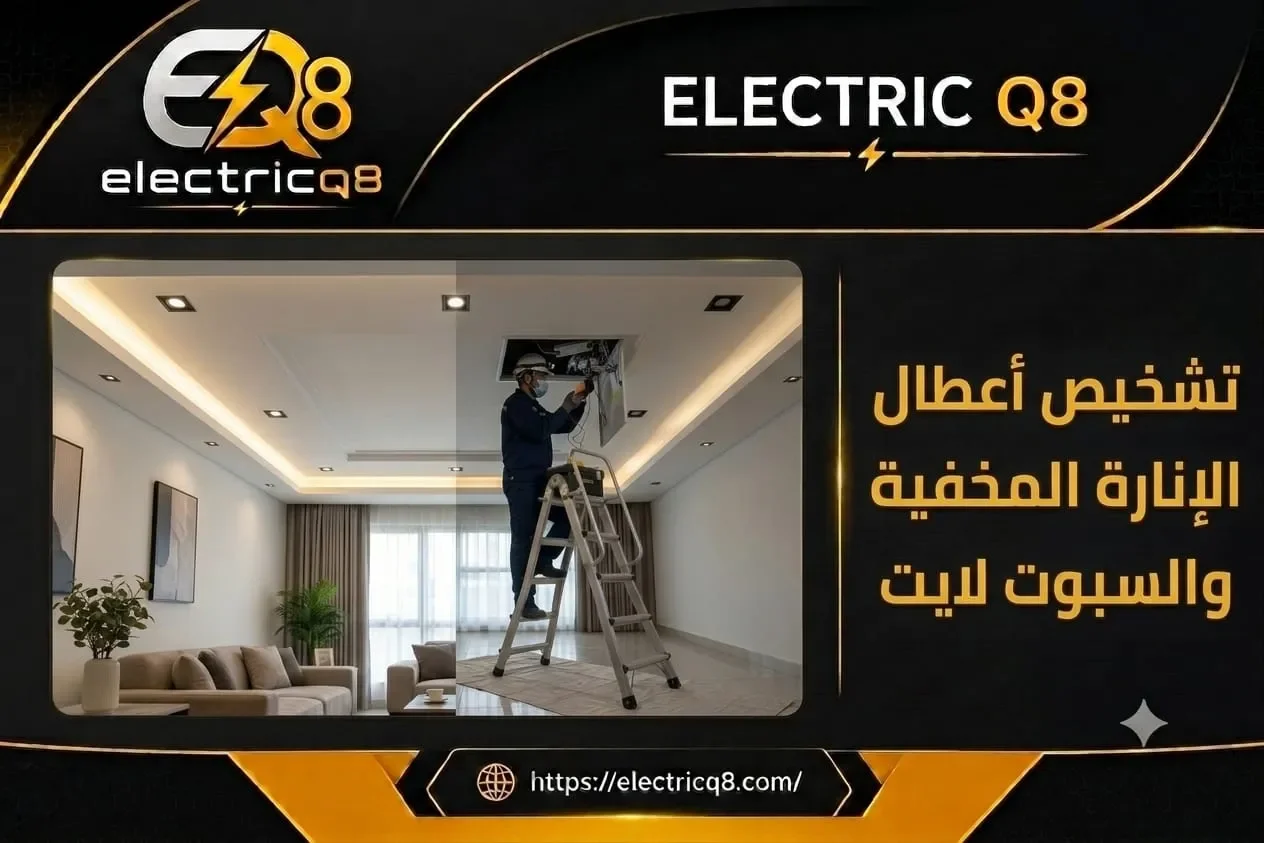
If you have replaced the same spotlight more than once and it fails again after a short period, the problem is not necessarily the quality of the lamp alone. Repeated failure requires checking the conditions in which the spotlight operates, including the type of fixture, the driver, compatibility between components, installation method, ventilation, electrical connections, power supply, and any lighting control system in use. There is also an important difference between one spotlight repeatedly failing and several spotlights failing in the same area because the failure pattern provides useful diagnostic information. The professional solution is not to keep buying a new spotlight and waiting to see how long it lasts. The cause of the repeated damage should be identified and corrected before replacement. If severe heat, a burning smell, blackening, or sparks appear, stop using the affected lighting safely and request inspection by a qualified electrician.
Spotlight Keeps Burning Out
When a spotlight keeps burning out in the same location, the history of the fault is more important than the latest failed unit. If several replacement spotlights have been installed at the same point and each one fails sooner than expected, continuing to replace the fixture alone does not explain the cause. It is necessary to establish whether the problem is limited to one lighting point or repeated across an entire group, whether all units are the same type, and whether the failures began after changing the lighting, replacing a driver, installing a dimmer, or modifying the ceiling.
Consider a practical example where several similar spotlights are installed in one row but the same position repeatedly stops working while the surrounding fixtures remain stable. This pattern is different from a situation where different units throughout the row fail over time. In the first case, the conditions at that particular point become an important part of the inspection, including its connection, driver location, installation method, and surrounding space. If failures occur across several points, the electrician may need to investigate a factor shared by the whole group rather than focusing on one location.
Heat should not be judged simply by touching the visible spotlight trim because lighting products differ in design and in how they dissipate heat. Product instructions and actual installation conditions need to be reviewed to confirm that the fixture is being used in the way it was designed. Some ceiling installations can create unfavorable operating conditions when ventilation or surrounding materials do not meet the requirements of the specific product.
It is also important to define what “burning out” actually means. Did the spotlight stop completely? Did it begin flickering before failure? Did the light output become weaker or change color? Was there a burning smell or visible evidence of heat? These details distinguish different symptoms and help prevent random component replacement without diagnosis.
-
Repeated failure at the same lighting point while neighboring spotlights continue operating normally directs attention toward the conditions at that specific point including the connection installation method and driver rather than assuming every fixture of the same type has the same problem
-
Several spotlights failing within the same group over similar periods suggests that a shared factor such as compatibility operating conditions or power components should be investigated because replacing each failed fixture individually may temporarily remove the symptom without correcting the cause
-
Describing the failure accurately before replacement matters because complete shutdown is different from flickering reduced light output color change or a burning smell and each symptom provides different information about what the electrician should investigate
Cause of Spotlight Failure
Identifying the cause of spotlight failure cannot be done only by looking at the fixture after it stops working because several different problems can produce the same visible result: a spotlight that no longer illuminates. The cause may be inside the lighting unit itself, in a separate driver if the design uses one, in the electrical connections, in component incompatibility, or in unsuitable installation and operating conditions. Diagnosis should therefore begin by identifying the type of lighting system before deciding which component needs replacement.
The first important distinction is whether the spotlight is an integrated unit or depends on a separate external driver. If a separate driver is used, the light going out does not automatically prove that the LED light source itself has failed. Replacing the driver based only on assumption is not a diagnosis either because its specifications, the requirements of the lighting unit, and the connection method need to be checked against manufacturer information.
The history of the problem provides another useful clue. Spotlights that operated reliably for a long period and began failing after one part of the system was changed present a different situation from units that have failed repeatedly since the original installation. If the problem started after changing the spotlight type while keeping the previous drivers, compatibility becomes an important area to review. If nothing was changed before the failures began, the inspection needs to extend to component condition, connections, and operating conditions.
The cause should also not be reduced to a vague statement such as “the voltage is too high” without measurements. Any concern about the electrical supply requires appropriate testing and professional assessment because repeated fixture failure alone does not identify the exact electrical condition. Installing a higher-wattage spotlight is not an automatic solution either because a higher power rating does not mean the fixture is better suited to the existing circuit or installation.
-
Knowing whether the spotlight contains integrated operating electronics or depends on a separate driver changes the diagnostic process because loss of light output alone does not establish which part of the system has actually failed
-
A problem that begins immediately after changing the spotlight or driver provides a logical reason to review component compatibility while repeated failures that begin without any previous modification require a broader assessment of the system condition and operating environment
-
Repeated spotlight failure does not by itself prove a specific voltage problem which means any conclusion about the electrical supply should be supported by appropriate professional measurements rather than a general assumption followed by repeated lamp replacement
LED Spotlight Fails Quickly
If an LED spotlight fails quickly, the fact that it uses LED technology does not mean it will achieve the same service life in every installation. Performance depends on the electronic design of the fixture, its operating environment, how heat is managed, and whether its components are compatible with the system in which it is installed. Comparing the actual lifespan only with a figure printed on the packaging without considering site conditions can therefore lead to an incomplete conclusion about the reason for early failure.
One of the important considerations with LED spotlights is heat management according to the product design. Electronic components and drivers can be affected by operating conditions, which makes the way the fixture is installed in the ceiling, the surrounding space, and manufacturer requirements important. This does not mean that every spotlight installed in an enclosed ceiling will fail. It means the installation method needs to be appropriate for the specific fixture instead of applying one rule to every lighting product.
Compatibility with lighting controls also matters. If the spotlight is connected to a dimmer, the fixture and its operating components need to be suitable for the dimming method according to manufacturer specifications. The fact that a spotlight illuminates when connected to a dimmer does not prove complete compatibility. Symptoms such as flickering, unstable light output, or unusual noise before repeated failure provide useful diagnostic information and should not be ignored until the fixture stops completely.
When replacing LED spotlights that fail quickly, selection should not be based only on price or wattage. Specifications, installation requirements, control method, and the driver should be compared when a separate driver is used. A more expensive product does not guarantee a solution if the original problem remains in the operating environment or component compatibility.
-
The actual lifespan of an LED spotlight is influenced by fixture design operating conditions installation method and heat management which is why repeated failure requires reviewing the environment in which the spotlight operates rather than judging quality only by brand name or price
-
A spotlight switching on when connected to a dimmer does not prove full compatibility because some problems first appear as flickering instability or operating noise before failure which is why the spotlight specifications and control system should be reviewed together
-
Selecting a replacement spotlight with higher wattage or a higher price does not automatically correct the cause because successful replacement depends on compatibility with the driver installation method control system and actual operating conditions
Spotlight Burns Out Quickly
When a spotlight burns out quickly after installation, the important issue is not simply how long it operated but how that lifespan compares with neighboring spotlights and the conditions at the same lighting point. If several fixtures were installed at the same time and one position has experienced repeated failures while the others continue operating, that is different from most of the group failing within a similar period. The pattern helps determine whether the investigation should begin with one specific point or with a condition shared across several fixtures.
Daily operating hours are also relevant. A spotlight that operates for long hours in a shop or office is not used in the same way as one that runs for short periods in a residential room. However, long operating hours alone are not enough to declare the failure normal. Product specifications, installation conditions, surrounding heat, control method, electrical connections, and any driver in use should also be reviewed.
If every replacement fixture fails quickly, repeatedly purchasing the same component without assessing the rest of the system is a mistake. At the same time, it is not appropriate to immediately conclude that the product type is poor because the problem may be associated with the lighting point or installation conditions. A useful comparison looks at fixtures operating under similar conditions and then identifies what is different at the point where failures continue.
If blackening, visible changes to nearby components, a burning smell, or severe heat appears, another spotlight should not simply be installed as a test to see whether it also fails. The affected section should be taken out of use safely and inspected before being operated again because sacrificing additional fixtures is not an appropriate diagnostic method when there are clear signs of thermal damage.
-
Comparing a spotlight that fails quickly with neighboring units installed at the same time helps establish whether the problem is associated with one lighting point or with conditions shared by the entire group instead of treating every failed fixture as an unrelated event
-
Daily operating hours provide useful information but do not explain early failure by themselves because heat installation conditions driver compatibility controls and electrical connections all need to be considered before determining why the actual service life is short
-
Blackening a burning smell or severe heat changes the priority of the situation because the cause should be inspected safely before another fixture is installed rather than using a new spotlight as an experiment to see whether the failure happens again
Spotlight Driver Keeps Failing
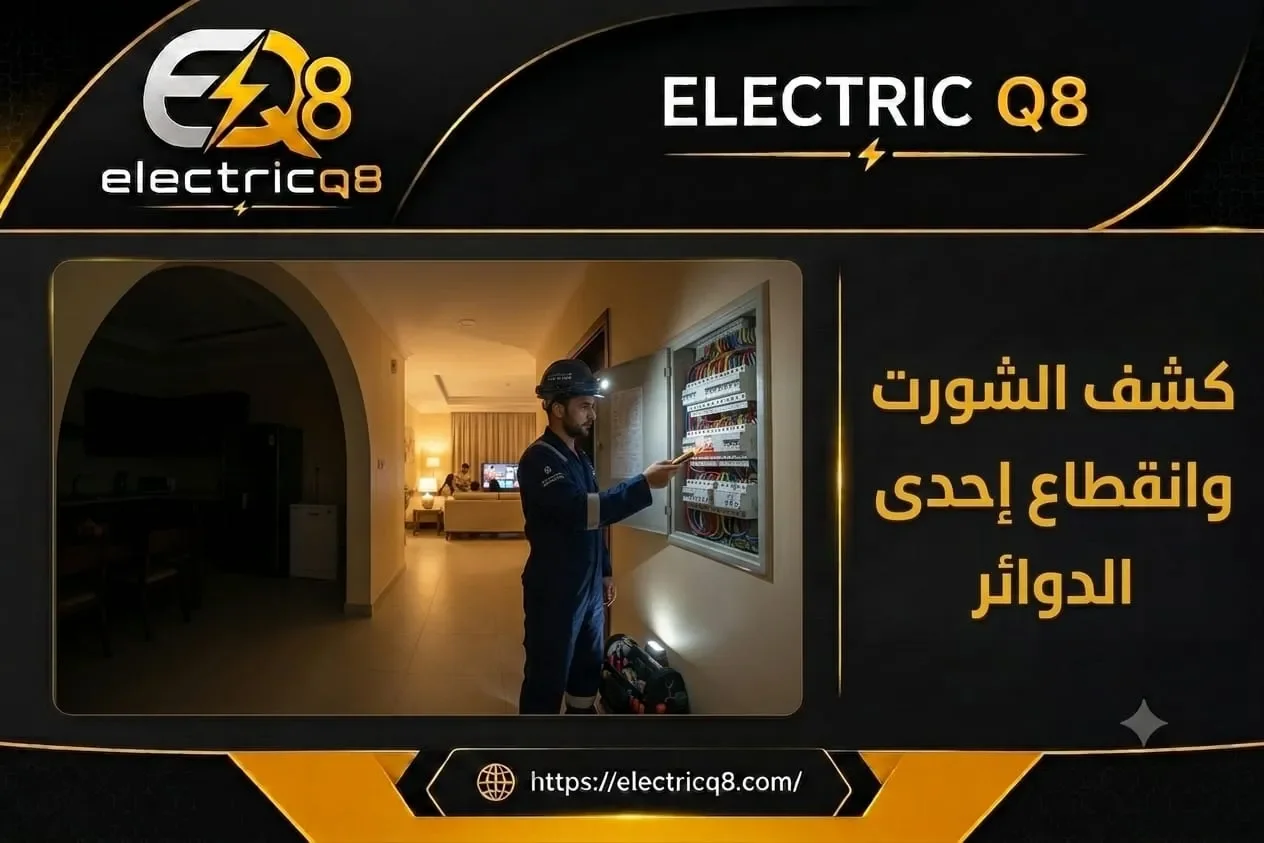
If the spotlight driver keeps failing, replacing it with another component that looks similar is not enough. A driver is an electronic component with specifications that need to match the lighting unit and the way it operates. Similar physical dimensions or comparable wire connections do not mean that two drivers are suitable for the same spotlight. The replacement should therefore be selected using the specifications of the fixture, driver, and manufacturer requirements.
The first step is confirming that the driver is actually the failed component. A spotlight that stops working does not prove this without appropriate testing because the problem could be in the light source, connections, controls, or another part of the system. Once the driver is confirmed as the affected component, the reason for its failure should be investigated, especially if it has already been replaced and the problem has returned.
The conditions in which the driver is installed inside the ceiling are also important. It should be positioned according to product requirements rather than assuming that any concealed location is suitable. Heat, site conditions, mounting arrangements, and surrounding materials should all be reviewed according to manufacturer instructions. If several drivers repeatedly fail in the same area, the pattern requires broader investigation rather than replacing each driver individually whenever it stops working.
A driver with different output characteristics should not be selected simply because it makes the spotlight illuminate during a quick test. Initial operation is not proof of long-term compatibility. Correct matching depends on the electrical requirements of the lighting unit, its design, and the control method where applicable. The correct replacement is therefore selected by specification rather than trial and error.
-
A spotlight that stops working does not prove that the driver has failed because several parts of the lighting system can interrupt light output which is why the relevant components should be tested before deciding which part needs replacement
-
A replacement driver should be selected according to the lighting unit specifications and operating requirements rather than physical size or wire appearance because making the spotlight illuminate with an unsuitable driver does not establish correct compatibility
-
Repeated failure of several drivers in the same area deserves investigation of installation conditions heat electrical supply and control arrangements because replacing every driver individually may temporarily restore lighting while leaving the shared cause unidentified
Replacing a Burned-Out Spotlight
Replacing a burned-out spotlight makes sense once it has been confirmed that the fixture itself has failed and that the cause is not external to the unit. If the same lighting point has already experienced several failed spotlights within a short period, installing another fixture alone simply starts the same cycle again. Inspection before replacement can save additional components and provides an opportunity to correct the cause instead of repeatedly dealing with the result.
Before choosing a replacement, the existing spotlight type, specifications, installation method, and whether it uses an integrated or separate driver should be identified. Any connection to a lighting control system or dimmer also matters. The objective is not simply to buy a fixture that resembles the previous one externally because electrical compatibility and operating requirements are more important than appearance alone.
Replacing one spotlight within a group also requires consideration of the lighting result. A significantly different unit may produce a different color appearance, beam distribution, or light output from neighboring fixtures even when it fits the same ceiling opening. This is particularly important in living rooms, shops, and offices where rows of spotlights form a visible part of the interior design.
Cost also depends on the actual work involved. Replacing one fixture at a healthy existing point is different from a case that requires checking the driver, electrical connections, controls, or a recurring cause. A cheaper replacement service can become a repeated expense if the underlying reason for the failures is never investigated.
-
Spotlight replacement should become the final step after checking the lighting point and associated components when failures are recurring because installing a new fixture under the same existing conditions can result in the same problem returning
-
Selecting the replacement depends on specifications operating method and compatibility with the driver and existing controls rather than ceiling opening size and external appearance alone because physical similarity does not establish electrical compatibility
-
The cost of replacing one failed spotlight differs from diagnosing a recurring failure because the second situation may involve additional components connections or lighting controls which means price comparisons should be based on the same work scope
Fixing the Cause of Spotlight Damage
The purpose of fixing the cause of spotlight damage is to stop the cycle of repeated replacement. If every new spotlight operates for a short period and then fails, the useful question is not “which brand should I buy next?” but “what condition remains the same every time another fixture is installed at this location?” Changing the way the problem is approached is what separates an actual repair from repeated component replacement.
Diagnosis starts with the history of the failures. The number of failed units, their locations, approximate operating time before failure, symptoms that appeared beforehand, and any previous lighting modifications all provide useful information. The system can then be inspected according to its design, including the lighting unit, driver where applicable, electrical connections, control method, and installation conditions.
The repair depends on what the inspection establishes. If two components are shown to be incompatible, suitable components should be selected. If a connection problem is identified, it should be corrected according to installation requirements. If the fixture or driver is installed under conditions that do not meet product requirements, the installation should be corrected according to manufacturer instructions. There is no single repair that applies to every spotlight that fails early.
Trust in the service also improves when the identified cause is explained rather than the customer simply being told that “the spotlight was replaced.” The property owner should understand whether only a failed fixture was changed or whether the condition contributing to repeated failures was actually corrected. That distinction matters when evaluating whether the repair has addressed the original problem.
-
Failure history supports diagnosis because knowing where problems repeatedly occur how long fixtures operate before failure and which symptoms appear beforehand can reveal a pattern that is missed when attention is limited to the most recently failed spotlight
-
Correcting the cause may involve compatibility connections installation conditions or a specific component which is why there is no single part that should automatically be replaced in every case of repeated spotlight failure
-
Explaining the identified cause and the work completed provides a clearer measure of repair quality because replacing the spotlight alone does not demonstrate that the factor responsible for previous failures has actually been corrected
Replacing a Spotlight Driver
Replacing a spotlight driver requires technical matching rather than simply finding a component that makes the light turn on. The driver needs to suit the electrical requirements of the lighting unit and be appropriate for the control method and operating conditions according to product specifications. Keeping a clear record or photograph of the previous driver's specifications and the spotlight information can help identify a suitable replacement rather than relying on guesswork.
A driver that fails after a long period of operation presents a different situation from a recently installed driver that fails every few weeks. Repeated failure changes the question from “which replacement should be installed?” to “why is the driver failing?” The associated components and operating conditions should be assessed before another replacement is fitted.
Where the lighting system includes a dimmer, the control method should also form part of driver selection if the spotlight design uses a dimmable driver. Not every driver is compatible with every control method. Incompatibility may appear as flickering, unstable operation, or abnormal dimming behavior rather than complete failure from the first day.
Driver replacement itself is electrical work and should not involve opening the ceiling and handling connections while they are energized. The circuit should be safely isolated by a qualified person before the component is installed according to manufacturer instructions and operation is verified. If the previous driver shows evidence of overheating or burning, simply disposing of it without investigating the reason for those signs is not enough.
-
Driver and spotlight specifications provide the basis for selecting a replacement because physical similarity between two components does not guarantee that their operating characteristics are suitable for the existing lighting unit
-
Repeated driver failure after replacement requires investigation before another component is installed because continually buying the same driver or a different model without diagnosis turns the fault into a recurring expense
-
The presence of a dimmer or lighting control system needs to be included in compatibility assessment because a driver suitable for standard operation is not necessarily appropriate for every dimming method even if the spotlight illuminates during the initial test
Spotlight Repair in Kuwait

Requesting spotlight repair in Kuwait becomes more useful when the problem is described as a history rather than simply as one fixture that has stopped working. Saying “one spotlight is not working” provides limited information. Saying “this is the third time the same spotlight position has failed within a few months while the others remain operational” changes the direction of the inspection completely. These details help reduce unnecessary trial-and-error replacement.
The scope of service differs from one situation to another. Sometimes the work involves replacing a fixture that has been confirmed as failed while the lighting point itself is healthy. In other cases, the electrician may need to inspect the driver, control system, connections, or installation conditions because the failure keeps returning. Giving one fixed price without knowing the spotlight type and nature of the problem may therefore be inaccurate.
If several spotlights are affected, it is useful to identify their locations and whether they failed around the same time or gradually. The distribution of failures provides valuable information. A group of neighboring fixtures failing is different from unrelated units in different locations operating under different conditions. Knowing whether the problem started after renovation, dimmer replacement, or a change in lighting type can also help prioritize the inspection.
After repair, normal operation and any symptoms that appeared before the previous failures should be checked. If the spotlight used to flicker or operate inconsistently before failing, simply confirming that the replacement turns on is not enough. The original behavior should be included in the verification.
-
Describing how many times failures have occurred where the affected spotlights are located and what symptoms appeared before shutdown gives the electrician more useful information than requesting replacement of a burned-out fixture alone because the pattern helps determine what should be inspected first
-
Spotlight repair cost varies depending on whether the problem is limited to the fixture or requires assessment of the driver connections control system or installation conditions which is why the work scope should be established before prices are compared
-
Verification after repair should return to the original complaint so if the spotlight previously flickered or operated inconsistently before failing those symptoms should also be checked rather than considering the repair complete simply because the replacement fixture illuminates
Spotlight Technician in Kuwait
Choosing a spotlight technician in Kuwait is more effective when you look for someone who diagnoses the complete lighting system rather than simply replacing the fixture. If the problem keeps returning, the technician should ask how long the spotlight operates before failure, how many units are affected, whether the fault repeatedly appears at the same point, what type of driver and controls are used, and whether anything changed before the failures began.
Experience in this type of problem is reflected in the diagnostic process. Not every spotlight that stops working has a failed driver, and not every damaged driver proves there is a supply problem. Diagnosis should organize the possible causes according to the failure pattern and then use appropriate inspection and measurements to identify the reason instead of replacing several components and waiting to see what happens.
When comparing service quotations, do not compare only the price of replacing one spotlight. Ask whether the service includes diagnosis of the recurring failure or only installation of a fixture supplied by the customer. It is also useful to clarify whether the price includes the spotlight, driver, or any additional work before the repair begins so the comparison is based on the same service scope.
The stronger service for recurring spotlight failure is the one that reduces guesswork. The objective is not to convince the customer to purchase a more expensive spotlight but to determine whether the problem is actually in the fixture, another component, or the operating conditions. This approach reduces unnecessary component replacement and gives the repair practical value.
-
A technician who asks about failure history affected locations previous symptoms and the type of lighting control is collecting information needed for diagnosis rather than treating every nonworking spotlight as a fixture that has simply reached the end of its life
-
Professional diagnosis does not begin with a fixed assumption such as blaming the driver or the electrical supply because the same visible symptom can result from different causes and the inspection should therefore be connected to the actual failure pattern and installed components
-
Comparing technicians should consider the scope of diagnosis repair and included components rather than the replacement price alone because investigating a recurring cause is a different service from simply changing a failed fixture at an otherwise healthy lighting point
Conclusion
If a spotlight keeps burning out, buying a new unit every time may restore the light temporarily but it does not answer the more important question of why the same problem continues to return. Diagnosis begins with the failure pattern and then reviews the spotlight type, driver, component compatibility, control method, connections, and installation conditions according to the actual system. One spotlight repeatedly failing in the same location points the inspection in a different direction from an entire group experiencing failures over similar periods. Flickering, color changes, heat, or a burning smell before shutdown also provide valuable information. The better solution is to correct the cause established by inspection and then select a suitable replacement component instead of entering a continuing cycle of replacements without identifying what is shortening the spotlight's service life.
Frequently Asked Questions
Why does my spotlight keep burning out?
There is no single cause that applies to every case. Repeated failure can be associated with the lighting unit, driver, compatibility, connections, controls, or installation conditions. The failure pattern and complete lighting system should therefore be assessed before the cause is determined.
Does a failed spotlight mean the driver is damaged?
Not necessarily. A spotlight that stops working does not identify the failed component by itself because the problem may be in the lighting unit, driver, electrical connection, or another part of the system. The driver should be tested before replacement.
Can I install any driver if it makes the spotlight work?
No. Making the spotlight illuminate during a quick test does not prove that the driver is compatible. The replacement needs to match the requirements of the lighting unit and control method according to component and manufacturer specifications.
Does a more expensive spotlight last longer?
Price alone does not guarantee a longer service life in every installation. Product quality matters, but actual lifespan is also affected by compatibility, operating conditions, installation, heat, and control method. Correcting the cause of repeated failure is more important than relying on price alone.
How much does spotlight repair cost in Kuwait?
The cost depends on the nature of the problem. Replacing one spotlight at a healthy lighting point is different from diagnosing repeated failures that require checking the driver, electrical connections, control system, or installation conditions. Identifying the cause and defining the work scope first provides a more accurate basis for pricing.




