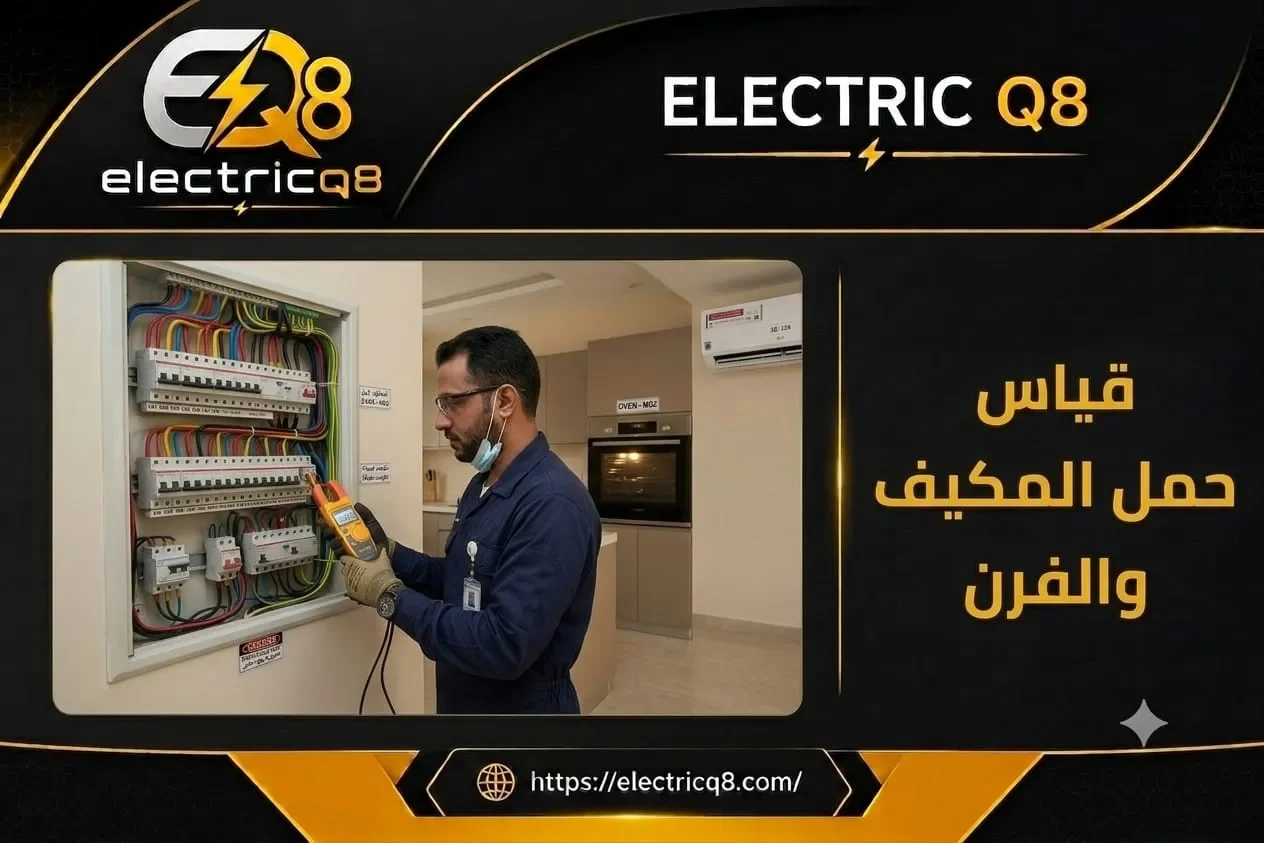
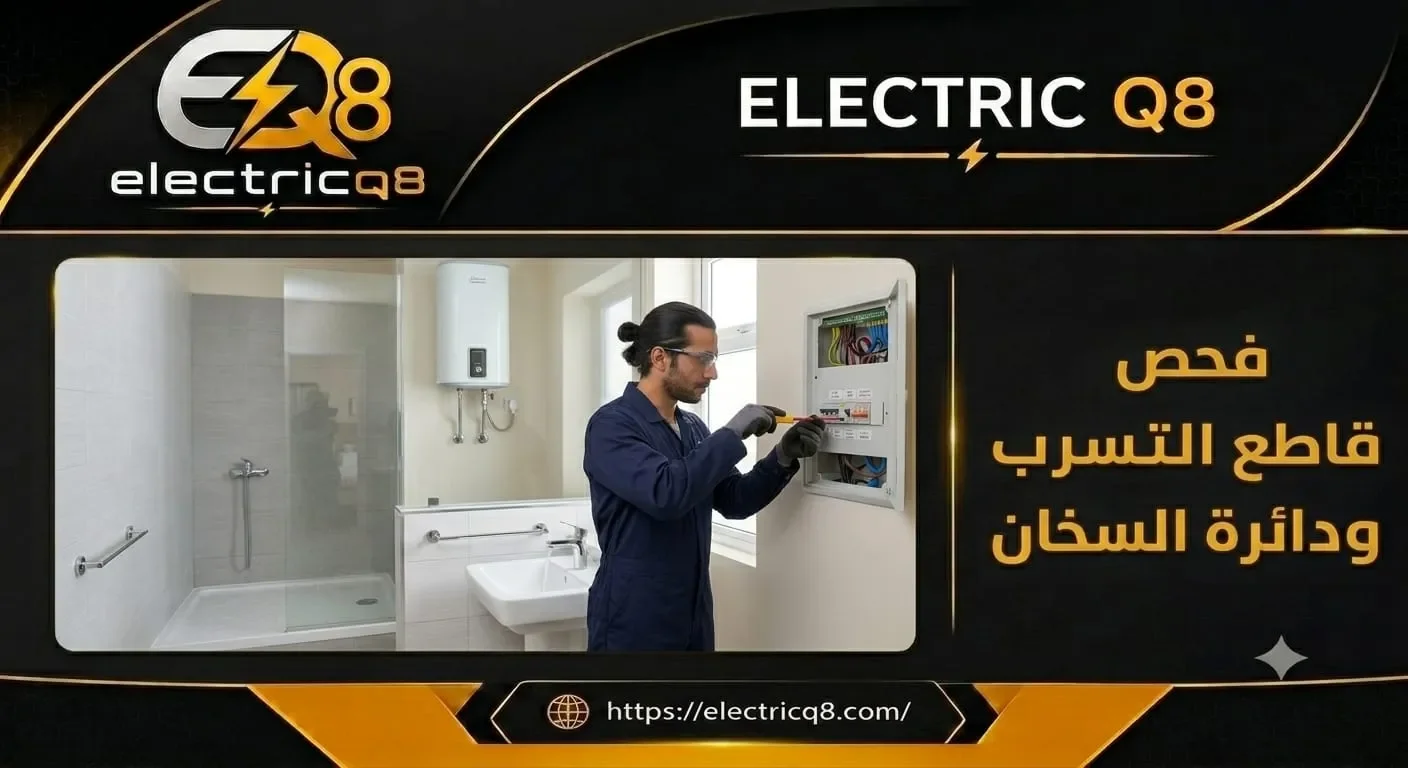
Before opening any store in Kuwait, most business owners focus on interior decoration, arranging merchandise, preparing the checkout counter, and setting up lighting. However, one important task is often postponed until the last minute: making sure the electrical installation is safe and ready for daily operation. Having working lights and powered outlets is not enough because some electrical problems only appear when several store appliances operate simultaneously. A store electrical inspection before opening helps identify unsuitable connections, circuit breaker problems, and circuit defects before customers enter the premises. A proper inspection does not rely on a quick operational test. It includes reviewing the distribution panel, testing electrical circuits, and checking whether the available supply is suitable for the equipment, lighting, and specific commercial activity so the store can begin operating safely and efficiently.
Store Electrical Inspection Before Opening

A store electrical inspection before opening is an essential part of preparing commercial premises, particularly when the store is newly constructed, has been taken over from a previous tenant, or has undergone interior decoration and electrical modifications. The purpose is not simply to confirm that electricity is available. It is to determine whether the existing electrical installation is suitable for the way the business will operate after opening.
Consider an illustrative example of a clothing store that has finished installing its shelving, lighting, and checkout equipment. During renovation, the electrician tested small groups of lights separately, and everything appeared to work normally. However, on opening day, all display lighting will operate alongside the air conditioners, checkout system, screens, and other equipment depending on the store's setup. This is when a problem that was not obvious during individual equipment testing may become noticeable.
That is why the inspection should begin with reviewing the type of commercial activity and preparing a list of equipment expected to operate during business hours. A clothing store depends heavily on display lighting and air conditioning, while a barbershop may use electrical appliances frequently throughout the day. Other commercial activities may require entirely different electrical arrangements.
Any changes made during renovation must also be reviewed. Sometimes an electrical point is relocated, decorative lighting is added, or the checkout counter is moved after the original electrical plan has been completed. These modifications must be checked to confirm that they were carried out correctly and have not compromised the safety of existing circuits.
It is also important to distinguish between a technical electrical inspection and official approval requirements. An electrician's report helps the store owner assess the condition of the installation, but it does not replace any inspection, authorization, or approval required by the relevant authorities or shopping mall management.
Inspection costs vary depending on store size, the number of circuits and distribution panels, equipment types, and the tests required. A limited visual inspection is different from an assessment involving electrical measurements, documented findings, and retesting after repairs.
Ideally, the inspection should take place sufficiently early before the planned opening date to allow any identified problems to be corrected. Discovering a defect that requires wiring modifications after the interior decoration is complete and merchandise has arrived can lead to delays and additional expenses.
-
A store electrical inspection before opening must consider the nature of the business and the complete list of equipment that will actually operate because testing lighting alone during renovation does not establish that the circuits can support air conditioners checkout systems screens and other equipment running at the same time
-
Reviewing electrical modifications carried out during interior decoration helps identify relocated supply points and undocumented additions because changing the positions of lights and outlets after the original design may affect circuit distribution and make future maintenance more difficult
-
Scheduling the inspection well before opening provides time to correct defects and retest affected installations because discovering an electrical problem after merchandise has been arranged and customers have started arriving may interrupt business operations or require parts of the finished interior to be modified
Inspecting the Store Electrical Panel Before Operation
Inspecting the store electrical panel before operation is one of the most important stages of confirming electrical readiness because the distribution panel supplies the circuits serving lighting, outlets, and commercial equipment according to the store's electrical design. If the panel is unsuitable or contains connections requiring attention, problems may occur even when the electrical points throughout the store appear to work normally.
The electrician first needs to establish where the panel receives its electrical supply, its capacity limits, and how the outgoing circuits are arranged. Some stores have an independent distribution panel inside their premises, while others use a sub-distribution panel connected to a larger electrical distribution system within a shopping mall. Understanding this arrangement helps establish the inspection boundaries and responsibilities associated with the electrical supply.
The circuit breaker specifications and their compatibility with the circuits they protect must then be reviewed. The presence of a circuit breaker inside the panel does not automatically mean it is suitable because protective devices must be selected according to cable specifications, electrical loads, installation methods, and design requirements.
Another issue requiring attention is unclear circuit breaker labeling. If electricity is interrupted in one section after opening and an employee starts switching different breakers to identify the affected circuit, this can create confusion and accidentally disconnect important equipment.
A qualified electrician must also assess the panel's physical condition, including the integrity of its cover and internal barriers, signs of damage, unusual overheating, and poorly organized modifications. Opening the distribution panel and inspecting internal connections requires appropriate isolation and safety procedures. Store owners should never ask employees to touch or tighten electrical wires themselves.
If the premises were previously occupied, it is important to establish whether older modifications are known and suitable for the new business. The panel may have been designed for equipment different from the current installation and may therefore require reassessment before being used.
An unused breaker or an empty position inside the panel is not proof that additional electrical loads can be connected. Panel capacity, supply arrangements, and cables must be reviewed before deciding whether an additional circuit is appropriate.
At the end of the inspection, a clear circuit schedule identifying each circuit's purpose, its associated breaker, and any findings requiring correction is particularly useful. This information supports daily store operations, simplifies future maintenance, and helps electricians respond to faults more efficiently.
-
Inspecting the store distribution panel breakers must include checking that protective devices are compatible with the circuits and cables because a breaker operating normally does not prove that it is correctly rated for the electrical load or suitable for the wiring it protects
-
Labeling circuit breakers and identifying their connected circuits is important before opening because knowing which breaker controls lighting outlets and equipment makes it easier to locate the affected section during a fault without randomly disconnecting other circuits
-
Reviewing the distribution panel condition and previous modifications requires a qualified electrician and appropriate inspection procedures because disorganized wiring signs of overheating or undocumented alterations may require corrective work before the store can operate at full capacity
Testing a Store's Electrical Installation
Testing a store's electrical installation is different from simply switching on the lights or plugging a phone charger into an outlet. Technical electrical testing aims to verify the safety of specific parts of the installation using appropriate procedures and measuring instruments according to the electrical system and applicable inspection requirements.
An important test is checking the continuity of protective conductors and earthing connections where required because a functioning electrical outlet does not necessarily prove that its protective conductor is intact. The inspection may also require insulation resistance testing using suitable procedures and precautions to avoid damaging connected electronic equipment.
Verifying polarity and the correct connection of electrical points is another important consideration, depending on the type of circuit. Certain wiring mistakes may not become apparent when a small appliance operates, but they can affect electrical safety or the correct functioning of switching and protective devices.
Required protective devices must also be assessed according to the installed electrical system. Where residual current devices are present, they should be tested using suitable methods based on their type and installation requirements. Pressing the test button may verify a particular function, but it does not replace every necessary technical test.
After completing the appropriate safety checks, functional operating tests can be performed on equipment and lighting under safe conditions. This is where the difference between testing circuit safety and confirming equipment functionality becomes clear. An appliance may operate normally while an electrical defect still requires correction.
Measurement results must not be interpreted arbitrarily. Acceptable values vary depending on the test, electrical system, and applicable standards. A qualified electrician must compare the results against the relevant requirements rather than issuing a general judgment without a technical basis.
If a problem appears during testing, the affected circuit must be identified, the finding documented, and the defect corrected. The appropriate test should then be repeated to confirm the effectiveness of the repair. It is not sufficient for the visible symptoms to disappear after adjusting a connection.
Ideally, the store owner should receive a clear summary describing the tests performed, their results, any identified problems, and the work requiring further attention. This helps establish what has been verified before opening and what remains unresolved.
-
Testing protective conductor continuity insulation resistance and polarity according to installation requirements provides a more accurate assessment of circuit safety because operating a light or plugging a charger into an outlet cannot reveal every wiring insulation or protective connection problem
-
Testing residual current protective devices requires procedures and instruments suitable for the particular device because relying on its built-in test button alone does not necessarily cover all the measurements needed to verify protection performance within the electrical installation
-
Documenting electrical test results and retesting circuits after repairs gives the store owner a clearer understanding of electrical readiness because the disappearance of a fault during a trial operation is not sufficient evidence that its underlying cause has been correctly resolved
Inspecting Store Lighting Before Opening
Inspecting store lighting before opening involves much more than checking whether every light turns on. Lighting in commercial premises is an essential part of product presentation, employee movement, and the customer experience. If lighting is distributed across unsuitable circuits or contains defective connections, an important part of the store may lose illumination when a single lighting group develops a problem.
Consider an illustrative example of a perfume store that uses spotlights above display shelves, concealed lighting inside display units, and general ceiling lighting. During renovation, a worker may test each group separately and find that everything operates normally. Before opening, however, the electrician needs to check how these lighting groups are distributed across circuits and whether their power supplies and connections are suitable for daily operating conditions.
One important consideration is the location of lighting fixtures in relation to surrounding materials. Some lighting units require specific ventilation clearances or installation arrangements according to manufacturer instructions. If lamps or electronic drivers are installed inside enclosed decorative structures without suitable ventilation, elevated temperatures during prolonged operation may affect their performance.
The inspection must also confirm that lighting switches control the intended groups clearly and correctly. A large store with several sections needs a practical switching arrangement that allows employees to activate the appropriate lighting without guessing or accidentally turning off another area.
Problems that may become apparent after interior finishing include repeatedly flickering lights or fixtures that stop working after operating for some time. These symptoms require investigation to determine whether they are related to electronic drivers, wiring connections, or compatibility between lighting system components. Not every flickering light indicates a problem with the main electrical supply.
Lighting serving circulation routes and emergency lighting, where required for the premises, must also be checked according to the approved design and relevant requirements. Successfully operating decorative lighting does not eliminate the need to inspect required safety systems.
It is preferable to test lighting under conditions close to normal business operation after completing the necessary safety checks. This can help identify unusual heat buildup or a lighting group that stops operating after a period of use.
The cost of correcting lighting problems depends on the number of fixtures, their locations, and how easily they can be accessed. Repairing an exposed lighting point is different from inspecting fixtures concealed inside a completed decorative ceiling.
-
Reviewing the distribution of display spotlights concealed lighting and general illumination across electrical circuits helps establish the consequences of a fault because connecting all lighting groups to one circuit may cause a large section of the store to lose illumination when its protective device trips
-
Inspecting lighting fixtures and their electronic drivers is particularly important inside enclosed decorative structures because some components require specific ventilation and installation conditions according to manufacturer instructions and problems may appear after hours of operation rather than during the initial test
-
Testing lighting switches and control groups before opening helps employees operate the different store sections correctly because an unclear switching arrangement may cause display windows or circulation areas to be unintentionally darkened during business hours
Inspecting Electrical Outlets in a Store

Inspecting electrical outlets in a store before opening is essential because commercial outlets are used differently depending on the business activity. In a clothing store, some outlets may supply the checkout system, printer, and networking equipment, while others may be used for cleaning or display fixtures. In a barbershop, the appliances and frequency of connecting and disconnecting equipment can be quite different.
The first step is matching outlet locations to the store's actual operating requirements. If the checkout counter is far from its power supply point, employees may resort to unsuitable extension connections. If an outlet is located behind a permanently installed cabinet, accessing it for disconnection or maintenance may become difficult.
The visible condition of outlets must also be reviewed after interior decoration work. Sometimes outlet covers are broken, construction debris enters the fittings, or the outlets are no longer securely mounted. These issues need to be corrected before the electrical points are used every day.
It is also important to identify the appliances that will connect to each group of outlets. Having several sockets in one area does not prove that the circuit can support all connected appliances operating simultaneously. The assessment depends on electrical loads, outlet distribution, and protective device specifications.
The surrounding environment must also be considered. An electrical outlet close to a washing basin or cleaning area requires a different assessment from one located in a dry office. Protective requirements and installation locations must be appropriate for the surrounding conditions.
A common mistake is testing an outlet with a phone charger and then declaring it safe. This limited test may confirm the presence of electricity, but it does not establish that all connections are correct, protective earthing is intact, or the circuit is suitable.
For outlets supplying sensitive equipment such as checkout terminals, payment devices, and networking systems, it is preferable to identify their supply circuits and understand how interruptions would be handled. Some businesses may require suitable arrangements to maintain the operation of essential equipment according to their needs.
If an outlet shows unusual overheating, discoloration, or physical damage, it should not be used until it has been safely inspected and repaired.
-
Matching outlet locations with checkout counters printers and display equipment reduces the need for temporary extensions because preparing a store with power points far from their intended equipment may encourage employees to depend continuously on unsuitable extension leads
-
Inspecting outlet covers and mounting security after renovation is important because interior decoration work may cause visible damage or loosen certain fittings and these defects should be corrected before commercial equipment is connected and used throughout working hours
-
Testing electrical outlets requires checking connections and protection according to circuit requirements because successfully operating a small charger does not prove that protective earthing is intact or that the outlet is suitable for higher-consumption equipment or adequately protected for its environment
Testing Store Electrical Circuits
Testing store electrical circuits focuses on identifying the purpose and limitations of each circuit and determining whether it is suitable for the equipment connected to it. This differs from testing a single electrical point because one circuit may supply several outlets or a group of appliances and must therefore be assessed as a complete system.
Before testing, the electrician needs to identify the existing circuits and compare them with the electrical drawings if available. If the wiring is old or was modified during renovation, circuit tracing may be necessary to determine which electrical points are connected to each breaker.
This step is important because some stores have distribution panels with outdated labels that no longer reflect the current wiring arrangement. A breaker may be labeled for lighting even though other electrical points were added to the same circuit during previous modifications. Relying solely on existing labels is therefore insufficient.
Evaluating each circuit's ability to serve its intended loads is another important technical consideration. An LED lighting circuit has different load characteristics from a circuit supplying heating appliances or motor-driven equipment. Protective devices, cables, and equipment requirements must be reviewed rather than assuming all circuits are equivalent.
Some stores also have three-phase electrical supplies. In these cases, the electrician may need to review how loads are distributed across phases according to the system design and equipment characteristics. However, differences in phase readings do not automatically indicate a problem because the assessment depends on operating conditions and system limits.
Protective device coordination should also be reviewed where appropriate according to the design. The objective is to evaluate the protective arrangement properly rather than assuming that every branch circuit breaker will always trip before the main breaker under every fault condition.
Electrical circuit testing requires specific procedures depending on the type of test. Some tests are carried out after isolating the electrical supply and appropriately disconnecting sensitive equipment, while other measurements require particular operating conditions and must be performed by a qualified electrician using suitable instruments.
At the end of the work, circuits that have passed inspection should be identified separately from those with findings requiring repair or retesting. This allows the decision to operate the store to be based on the actual condition of the electrical circuits rather than simply whether appliances worked during a trial run.
-
Tracing the electrical points connected to each circuit and comparing them with breaker labels helps identify undocumented modifications because a circuit originally intended for lighting may have changed function after previous renovation work and its old label cannot be treated as definitive
-
Assessing circuit loads according to equipment characteristics highlights the difference between a circuit supplying display lighting and one supplying higher-consumption commercial equipment because cable and protective device suitability depends on actual load requirements rather than the number of connected points alone
-
Documenting the results of individual circuit tests makes it easier to identify necessary work before opening because some circuits passing inspection does not establish that the remaining wiring is safe or that every protective device has been verified
Confirming Store Electrical Readiness
Confirming store electrical readiness is the stage where inspection findings are brought together to support a clear decision before business operations begin. The presence of electrical inspection findings does not necessarily mean that every issue carries the same level of risk or should be handled in the same way.
It is preferable to classify findings according to their impact on safety and operation. Any problem presenting an electrical hazard requires appropriate correction before the affected part of the installation is used. Organizational issues, such as an unidentified circuit, may have a different priority, but they must still be documented as outstanding work.
The inspection must also account for all equipment that will actually be used in the store. If the premises were inspected before additional appliances were installed, the results may not accurately represent the final operating conditions.
Coordination between the store owner, interior decoration contractor, and electrician is another important consideration. Sometimes small tasks remain unfinished, such as installing lighting inside a display window or relocating a power point for the checkout counter. These tasks should be completed before the final inspection of the affected electrical installation is accepted.
The inspection boundaries must also be understood. Were only the internal electrical circuits reviewed? Was the sub-distribution panel included? Is the shopping mall's shared electrical supply the responsibility of building management? Clarifying these details prevents anyone from assuming that the entire electrical system has been inspected when the service covered only a limited area.
An organized operating trial is preferable after the necessary technical safety tests have been completed. The purpose is to identify problems that may appear when equipment operates under conditions resembling normal business use, not to deliberately overload the electrical installation beyond its limits.
If an issue appears during the trial, it should be documented and the necessary corrective action identified. Once appropriate inspections have been completed and findings resolved, a summary can be prepared describing the scope of work and results.
Compliance with official approvals and regulatory requirements remains a separate responsibility depending on the type of business and its location. A technical electrical inspection report does not independently grant permission to operate.
-
Classifying inspection findings according to their seriousness and effect on business operation helps the store owner make an informed decision because a problem affecting electrical safety is different from an organizational issue such as unclear labeling on one circuit breaker
-
Confirming store readiness requires an inspection that reflects the final installation after equipment and lighting have been installed because adding appliances after the assessment may change electrical loads or require certain circuits to be evaluated again
-
Clearly defining inspection boundaries and responsibilities between the store electrician and building management prevents misunderstandings because reviewing internal electrical wiring does not automatically mean that shared building supply systems have been inspected or that required official approvals have been obtained
Electrical Inspection of a New Commercial Store
An electrical inspection of a new commercial store varies depending on the condition of the premises when they are handed over. Some stores are delivered as unfinished spaces requiring a complete electrical installation, while others retain equipment from a previous tenant or have been finished by a contractor. Each situation requires an assessment suited to the information available.
If the store is entirely new, reviewing available electrical drawings and comparing them with the actual installation is useful. Having an approved drawing is not enough if modifications were made during construction and the documentation was not updated.
If the store was previously occupied, the former business activity should be identified as far as possible. A shop previously used for clothing sales and later converted to a business requiring different electrical equipment may need a fresh assessment even when all outlets and lighting appear to function normally.
The condition of equipment and wiring left behind by the previous tenant is another important consideration. Some electrical points may be unused, hidden behind new decorative structures, or connected to circuits that are no longer clearly identified. These parts of the installation must be assessed before being relied upon.
It is also useful to establish whether previous inspection reports, updated electrical drawings, or documentation of modifications are available. These records may reduce the time needed for circuit tracing, but they do not eliminate the need to verify the current installation.
In shopping malls, there may be clearly defined boundaries between tenant electrical installations and the building's electrical supply. It is therefore preferable to establish each party's responsibilities before requesting work that could affect shared electrical infrastructure.
Conducting the inspection before all interior decoration details are permanently fixed can also benefit the business owner. If certain outlets need to be relocated or additional circuits are required, the work is generally easier before ceilings and walls are closed.
Inspection costs depend on how clearly the wiring is identified, the availability of electrical drawings, the number of circuits, and the panel's condition. A store with well-documented installations is different from one requiring extensive tracing of older electrical wiring.
-
Inspecting a store previously occupied by another tenant requires comparing the new business activity with the former electrical loads and installations because wiring suitable for one commercial activity is not automatically appropriate for another business using different equipment
-
Reviewing available electrical drawings and comparing them with the installed wiring helps identify changes made during renovation because the original drawings may not show power points that were added or relocated after the project began
-
Carrying out the inspection before final decorative structures are closed reduces the difficulty of relocating electrical points or adding circuits because discovering the need for new wiring after ceilings and shelving have been installed may require dismantling and restoring finished areas
Inspecting Store Electrical Equipment and Installations
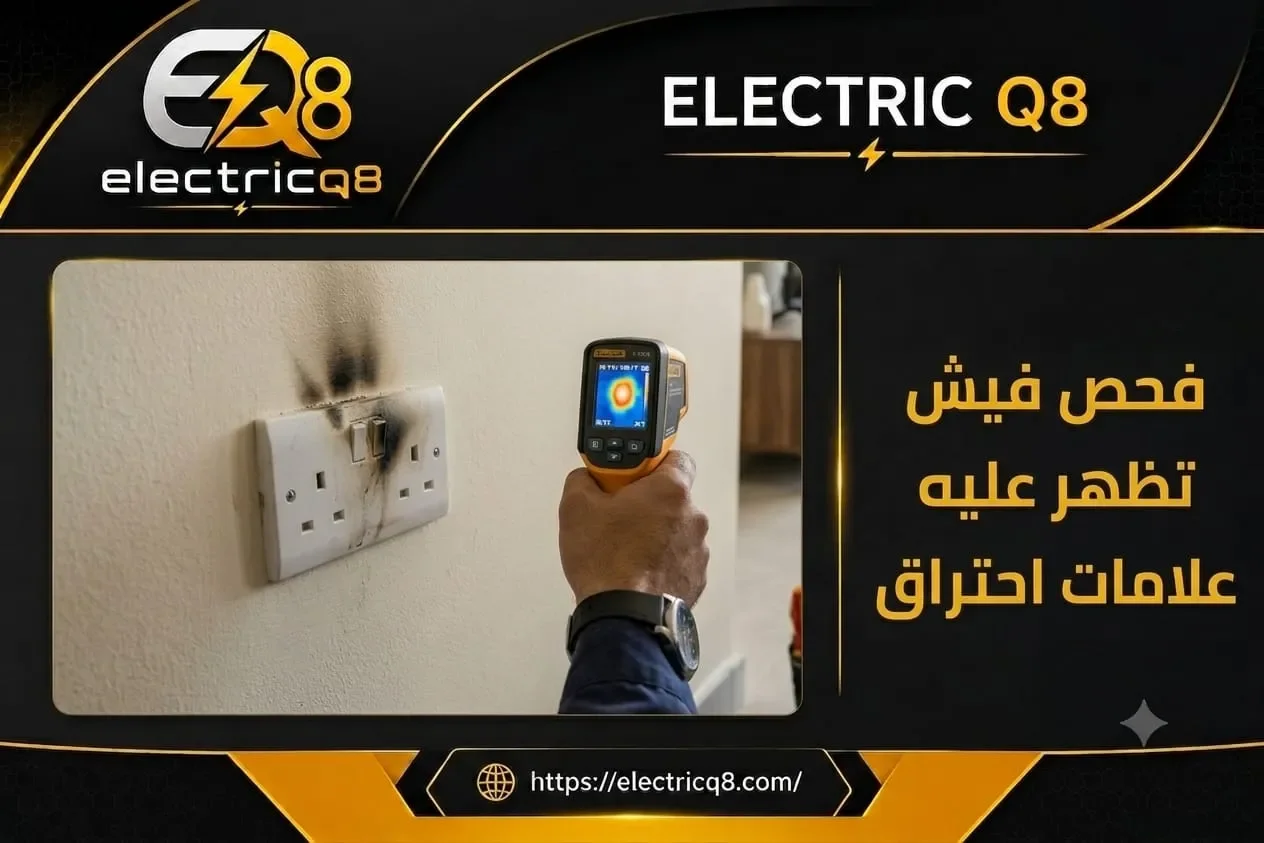
Inspecting store electrical equipment and installations includes verifying that the available electrical supply is suitable for the appliances associated with the business activity rather than examining only wires and circuit breakers. Some problems arise because an appliance's electrical requirements do not match the supply point prepared for it, even when the wiring itself is in good condition.
In a retail store, for example, electrical equipment may include checkout systems, printers, screens, display systems, and air conditioners. Other businesses may have equipment requiring a dedicated supply or particular isolation arrangements according to manufacturer instructions.
The first step is reviewing appliance specifications and connection requirements. Some equipment requires a dedicated circuit or a particular electrical supply arrangement, while other appliances can operate on suitable shared circuits within permitted limits.
It is important to confirm that permanently installed equipment is positioned so its supply connections and isolation devices can be accessed safely when necessary. A heavy appliance covering an electrical outlet or preventing access to an isolation device can create difficulties during maintenance.
Electrical display equipment also requires an assessment of its connections. Some display windows contain integrated lighting, transformers, or electronic drivers that must be suitable for the installation and surrounding conditions.
Checkout systems, electronic payment terminals, and networking equipment may require particular attention to service continuity depending on the business. If backup power equipment is necessary, it should be selected according to the requirements of the connected devices rather than assuming any backup power unit is suitable for every appliance.
Another important step is confirming that temporary electrical connections used during renovation have not been left in place after the work is completed. Sometimes equipment operates normally even though its supply still relies on a temporary arrangement unsuitable for permanent use.
If the store contains used equipment or appliances transferred from another branch, their specifications should be reviewed before operation. A matching plug or the ability to connect an appliance to an outlet does not establish that the supply is suitable.
Ideally, a list should be prepared identifying the equipment that has been checked and any findings associated with each appliance. This makes responsibility for repairs or modifications clearer before opening.
-
Reviewing the specifications of store equipment before operation helps confirm compatibility with voltage current and supply requirements because some commercial appliances require particular electrical arrangements and having a plug that fits the available outlet is not sufficient
-
Inspecting display window wiring and lighting integrated into furniture is important because transformers and electronic drivers may be concealed inside decorative structures and require suitable installation conditions that allow maintenance access and adequate ventilation
-
Removing temporary electrical connections used during renovation is an important step before commercial operation because leaving temporary supplies connected to permanently installed equipment may result in an unsuitable electrical arrangement being used throughout normal business hours
Hiring an Electrician to Inspect a Store Before Opening
Choosing an electrician to inspect a store before opening requires paying attention to the scope of service and assessment methods rather than simply how quickly the electrician can visit. The objective is not to hire someone who switches on the breakers, tests the lights, and declares everything ready. It is to find a qualified professional who understands what needs inspecting, what should be documented, and what must be corrected before the business begins operating.
When requesting an inspection, it is preferable to explain the store's approximate size, type of business, number of electrical panels, and stage of interior finishing. It is also useful to mention whether the premises are newly constructed or were previously occupied and whether electrical drawings or earlier inspection reports are available.
An important sign of a suitable electrician is their ability to explain which tests will be performed, what instruments will be used, and what the service includes. A visual inspection is different from detailed electrical testing, so the scope must be clearly established.
It is also preferable to agree on the format of the inspection report or results summary. Will it identify the circuits inspected, recorded findings, and corrective actions required? Does the service include retesting after repairs? These details help the store owner understand what is included in the inspection price.
Costs depend on the number of distribution panels and circuits, the type of tests, the difficulty of accessing equipment, and whether older wiring needs tracing. Prices should therefore be compared according to the work included rather than the total amount alone.
The electrician must also avoid making absolute claims about the safety of every part of the store if the inspection scope is limited. Professional credibility comes from explaining what was tested, what was not tested, and which findings require additional inspection or another responsible party.
Appropriate safety procedures must be followed throughout the inspection. Employees should never be asked to open electrical panels, touch wiring, or operate equipment showing signs of danger.
After the inspection, the store owner needs to know which findings prevent certain parts of the installation from being used and which tasks can be scheduled appropriately according to their seriousness. If repairs are completed, retesting of the affected installations should preferably be documented.
A suitable electrician helps the business owner make a decision based on clear findings rather than a quick impression that the electricity works and the store must therefore be ready.
-
Choosing an electrician for a pre-opening store inspection depends on the clarity of the testing scope and experience with commercial distribution panels and circuits because simply operating lighting and outlets does not replace an appropriate technical assessment of wiring and protective arrangements
-
Requesting a report identifying inspection findings tested circuits and required corrective actions helps the store owner follow up on repairs because a general statement that the electricity is safe without defining the inspection scope does not explain what was actually verified
-
Comparing electrical inspection prices requires understanding the number of tests and panels involved and whether retesting after repairs is included because a limited visual assessment differs from a service involving technical measurements documented results and a review of outstanding findings before opening
Conclusion
A store electrical inspection before opening helps the business owner determine whether the distribution panels, circuits, lighting, outlets, and electrical equipment are suitable for operation. However, electrical readiness cannot be established simply because every appliance works during its first test. Load distribution, panel condition, wiring safety, appropriate electrical tests, and any findings requiring correction must all be reviewed and documented. Inspection becomes particularly important when the premises were previously used for another business or electrical modifications were carried out during renovation. It is best to arrange the assessment sufficiently early before opening to allow time for repairs and retesting without disrupting project preparations. Hiring a qualified electrician in Kuwait helps establish the technical condition of the installation while recognizing that any required official approvals or regulatory inspections remain separate obligations. This allows the business to begin operating on the basis of documented technical information rather than assumptions.
Frequently Asked Questions
Should I inspect the electrical installation even if the store is new?
Yes. It is important to verify the wiring, distribution panels, and electrical circuits before operation because a newly constructed store is not automatically free from wiring defects or installation discrepancies. Modifications made during interior finishing may also require inspection.
What does a store electrical inspection before opening include?
The scope depends on the service requested, but it may include reviewing the distribution panel and breakers, identifying electrical circuits, inspecting lighting and outlets, assessing electrical loads, performing appropriate safety tests, and documenting findings requiring repair.
Does having working lights and appliances mean the store's electricity is safe?
No. Normal operation does not necessarily reveal insulation defects, earthing problems, or certain wiring and protective device faults. Assessing electrical safety therefore requires appropriate technical testing rather than relying solely on whether equipment operates.
When is the best time to inspect a new store's electrical installation?
Ideally, the inspection should take place after the necessary wiring and equipment installations have been completed and sufficiently before opening to allow time for corrective work. If electrical modifications are made afterward, the affected parts may need to be reassessed and retested.
How much does a store electrical inspection cost in Kuwait?
The cost varies depending on store size, the number of electrical panels and circuits, the tests required, the condition of the wiring, and whether a written report or follow-up inspection is included. It is best to request a quotation clearly identifying the services covered so that prices can be compared accurately.