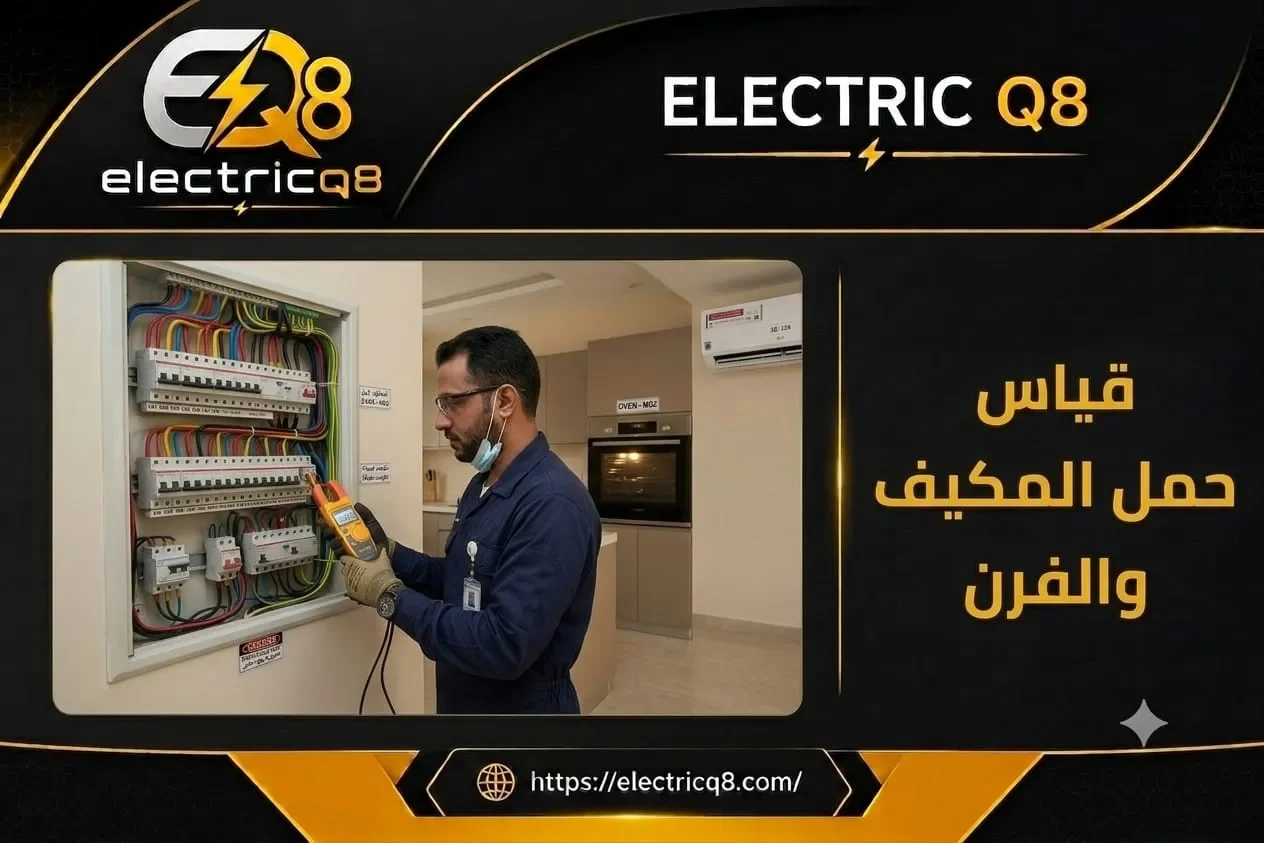
During busy restaurant service hours, almost everything in the kitchen operates at the same time. Fryers heat up, ovens run, refrigerators maintain their cooling temperatures, and exhaust systems remove heat from the cooking area. Suddenly, a circuit breaker trips, essential equipment stops working, and customer orders begin to fall behind schedule. The problem does not necessarily mean that an appliance is defective. Operating several high-power appliances simultaneously can expose weaknesses in load distribution or reveal that a particular circuit is unsuitable for the way the kitchen operates. If your restaurant's electricity keeps tripping during peak hours, the solution begins with reviewing equipment operating times, electrical load measurements, circuit breaker conditions, and wiring connections. Proper inspection helps identify the actual cause instead of repeatedly replacing or resetting breakers without resolving the underlying problem.
Restaurant Electrician in Kuwait

Hiring a restaurant electrician in Kuwait is different from calling a technician to repair an ordinary electrical outlet because a commercial kitchen contains equipment that operates for long hours, with some appliances drawing substantial electrical current during heating or startup. Electric fryers, ovens, commercial dishwashers, refrigeration units, and exhaust fans may operate simultaneously, particularly during lunch and dinner service. An electrician therefore needs to understand how the restaurant operates before determining why the electricity keeps tripping.
Consider an illustrative example of a restaurant that operates normally during food preparation but experiences circuit breaker trips shortly after customer orders begin arriving. In this situation, simply knowing that the electricity disconnected is not enough. The electrician needs to establish which appliances were operating at the moment of the trip. Did the oven begin heating? Was a second fryer switched on? Did the dishwasher enter its water-heating cycle? Understanding the sequence of events helps determine whether the problem is associated with simultaneous electrical loads or a fault in a particular appliance.
An electrician experienced in restaurant environments reviews how equipment is distributed across circuits and compares actual electrical loads with the specifications of the wiring and protective devices. The electrician also checks whether new appliances have recently been added, such as an additional fryer or a larger oven, because replacing or adding equipment without reviewing the electrical supply can significantly change the load on a circuit.
It is important to distinguish between a branch circuit breaker that disconnects one appliance and a main breaker that affects the entire kitchen. Each situation requires a different scope of investigation, and it would be incorrect to assume that both have the same cause. The type of protective device that trips may also provide useful information, although a reliable diagnosis still requires appropriate testing.
Restaurants also have particular operational requirements. Certain repairs require heating or refrigeration equipment to be shut down in an organized manner, with coordination from the kitchen manager to avoid unnecessary disruption to food safety or restaurant service.
The cost of inspection and repair depends on the number of circuits and appliances, the nature of the fault, and whether electrical load measurements during operation or changes to circuit distribution are necessary. The service should therefore be evaluated according to the diagnosis and work required rather than the electrician's call-out fee alone.
-
A restaurant electrician needs to understand the operating schedules of fryers ovens dishwashers and refrigeration units because electricity tripping during customer service may be connected to several appliances operating simultaneously rather than a permanent fault that appears when only one appliance is running
-
Reviewing equipment that has recently been added or replaced in the commercial kitchen helps identify changes in electrical demand because installing a larger oven or an additional fryer without assessing the existing circuit can make the previous electrical distribution unsuitable for current operating requirements
-
Coordinating with the restaurant manager before isolating electrical circuits is essential when inspecting heating and refrigeration equipment because unexpected power disconnection may affect food preparation and storage conditions and requires planning that considers both safety and continuity of service
Restaurant Electricity Keeps Tripping
When restaurant electricity keeps tripping, the first step is identifying exactly which circuit breaker operates and which part of the restaurant loses power. Does one fryer stop working? Does electricity disconnect from an entire group of kitchen appliances? Or does the whole kitchen shut down? This distinction is essential because a branch breaker trip directs the inspection toward a particular circuit, while a main breaker trip may require a broader assessment of electrical loads, power distribution, and protective arrangements.
Some restaurant owners notice that the problem disappears after resetting the breaker but returns an hour or two later. However, this does not prove that the breaker is defective. If the trip is associated with excessive electrical load, the time before disconnection may vary according to the protective device's characteristics and operating conditions. In other situations, the cause may involve an electrical fault, residual current leakage, or a problem inside one of the appliances. Identifying which type of protection has operated is important for understanding the possibilities.
A common mistake is for an employee to switch off a random appliance, reset the breaker, and assume that the problem has been resolved. If restaurant operations continue without identifying the cause, the interruption may happen again during an even busier period. More seriously, repeatedly restoring power when there is a burning smell or abnormal overheating can expose workers and equipment to electrical hazards.
Useful information for the electrician includes more than the number of times the breaker has tripped. The circumstances of each incident matter. For example, does the outage occur after two fryers and an oven are operating together? Does it happen when the dishwasher starts? Does the breaker trip immediately when one particular appliance is switched on, even when other kitchen equipment is not operating? These details help distinguish between a shared-load problem and a fault associated with an individual appliance.
It is also important to recognize that a circuit breaker may trip because of a fault in the circuit itself, even when the connected appliances are functioning correctly. Damaged connections, insulation problems, or unsuitable protective arrangements are among the possibilities that require professional inspection.
If the restaurant operates inside a shopping mall or commercial complex, responsibility for internal restaurant wiring may be separate from the building management's responsibility for shared electrical supplies. Understanding these boundaries helps direct the investigation to the appropriate party.
-
Identifying which breaker trips and which appliances lose electricity helps narrow down the problem because a fryer circuit disconnecting is different from a main supply interruption that affects ovens lighting and refrigeration equipment at the same time
-
Repeatedly resetting a tripped breaker is not a repair method because the protective device may be responding to an overload or a genuine electrical fault and if abnormal heat or a burning smell is present the affected equipment must be taken out of use and inspected by a qualified professional
-
Recording the circumstances of electrical interruptions over several working days supports accurate diagnosis because an outage associated with several appliances operating together differs from a trip that occurs immediately when one particular appliance starts even if the rest of the kitchen equipment is switched off
Restaurant Power Trips During Operation
If restaurant power trips during operation but remains stable before the restaurant opens, attention should turn to simultaneous equipment operation and individual appliance operating cycles. Some appliances do not draw the same electrical current continuously. An electric oven may activate its heating elements according to the required temperature, a commercial dishwasher may enter a water-heating cycle, and refrigeration compressors start and stop according to cooling demand. These changes can cause the electrical load on a circuit to rise at particular moments.
Imagine a restaurant operating an oven, two fryers, and a dishwasher supplied through a group of circuits connected to one sub-distribution panel. During preparation, only one fryer may be operating while the oven is maintaining its temperature. As customer orders increase, the second fryer begins heating while the oven's heating elements operate at the same time as the dishwasher's water-heating cycle. If the combined simultaneous loads exceed the capacity of part of the electrical installation, the protective device may trip specifically during this busy period.
However, not every trip during peak service is caused by excessive electrical load. Certain electrical faults become apparent only when an appliance heats up or enters a particular operating stage. For example, an insulation defect inside a heating element may become noticeable as its temperature increases. The electrician therefore needs to combine equipment operating information with suitable measurements rather than relying only on the power ratings printed on appliance labels.
Another important consideration is the difference between each appliance's rated power and its actual electrical demand during operation. Adding together the figures printed on equipment labels provides an initial picture of the connected load, but it is not sufficient on its own to determine the simultaneous demand or explain why a breaker trips. The assessment must consider operating cycles, appliance characteristics, and the available electrical supply.
Some equipment also draws a starting current that differs from its current during stable operation. This is particularly relevant to motors and compressors, but it does not mean every trip occurring at startup is caused by starting current. The characteristics of the breaker, circuit, and appliance must be reviewed before reaching that conclusion.
The solution is not necessarily to instruct kitchen employees to operate equipment one appliance at a time throughout the working day. If electrical load distribution is unsuitable for the restaurant's normal operations, the installation may require a properly designed modification that considers the supply capacity, cables, protective devices, and equipment requirements.
-
Simultaneous operation of oven heating elements fryers and dishwasher heating systems can increase electrical demand over a short period even when the appliances function normally on their own so the inspection must consider loads during peak service rather than measuring the kitchen only when activity is low
-
The rated power shown on each appliance's data plate helps establish electrical supply requirements but cannot by itself identify the cause of tripping because heating cycles motor starting currents and the timing of equipment operation influence the actual electrical load passing through the circuits
-
Electrical trips during restaurant operation require distinguishing between excessive load and a fault that develops as an appliance becomes hot because replacing the breaker or changing equipment operating schedules without suitable measurements and inspection may conceal the underlying problem rather than correct it
Restaurant Equipment Trips the Electricity
When restaurant equipment trips the electricity, the appliance switched on immediately before the interruption is not necessarily the only cause. Sometimes the appliance is functioning correctly, but starting it adds demand to a circuit already operating close to its limits. In other cases, the fault originates inside the equipment itself, such as damaged heating-element insulation, a motor problem, or a defective electrical component. Distinguishing between these situations is important because the repair method and associated costs can be completely different.
Consider an illustrative example of an electric fryer that operates without problems at the beginning of the day but causes its associated breaker to trip after heating for some time. The electrician needs to establish whether the trip occurs when the oil reaches a particular temperature, when the heating element switches back on, or after another appliance connected to the same supply starts operating. These details help determine whether the inspection should begin with the fryer itself or the circuit supplying it.
Commercial ovens also contain heating elements, control switches, and internal electrical circuits that vary according to the model. If an oven trips its protective device whenever a particular function is selected, the problem may be associated with a specific internal component. However, the appliance must not be opened or its protective devices bypassed simply to test its operation because commercial kitchen equipment may operate at voltages and power levels requiring specialized safety procedures.
Equipment data plates should also be reviewed before appliances are connected. Some commercial devices require dedicated electrical supplies or particular wiring arrangements according to manufacturer instructions. If an appliance has been transferred from another restaurant or purchased secondhand, its electrical requirements may differ from those of the available circuit at the new location.
Refrigeration equipment may also develop electrical faults associated with internal components or compressor operating cycles. If a protective device trips when a particular refrigeration unit starts, both the appliance and its electrical supply must be evaluated instead of automatically assuming that the problem is excessive load.
Repair costs depend on where the fault is located. Repairing a damaged connection in the supply circuit is different from repairing an internal component of commercial kitchen equipment, which may require a technician specializing in that appliance.
-
Electricity tripping when a particular fryer or oven operates requires connecting the timing of the trip to the appliance's functions and heating cycles because the problem may involve a specific electrical component or additional demand on the circuit rather than a defective circuit breaker
-
Reviewing equipment data plates and manufacturer instructions is important before installing new or secondhand commercial appliances because certain machines require dedicated circuits or electrical supply arrangements that differ from the outlets and connections already available in the kitchen
-
Refrigeration equipment faults that appear when a compressor starts require suitable electrical and technical assessment because the trip may originate in the appliance or its supply circuit and protective devices must not be bypassed or breaker ratings changed simply to keep the refrigerator operating
Common Electrical Faults in Restaurants

Electrical faults in restaurants directly affect daily operations because an electrical problem can stop an entire stage of food preparation. However, not every fault causes a complete power outage. Sometimes the lighting continues operating while food preparation equipment stops, or refrigerators remain functional while one oven loses its electrical supply. Identifying the type of fault helps establish inspection priorities and determine which equipment must be taken out of use.
Warning signs requiring urgent attention include a burning smell near a distribution panel or electrical connection, discoloration around an electrical socket, or abnormal overheating in a conductor or connection. These symptoms may indicate damage requiring prompt assessment and should not be ignored simply because the appliance continues operating.
Some faults appear intermittently, such as an appliance stopping and then restarting after a period of time. This may be associated with the appliance's internal protective system or an electrical problem requiring diagnosis. It is therefore important to distinguish between an internal appliance protective device operating and a circuit breaker tripping in the restaurant's distribution panel, because each points the inspection toward a different area.
Damaged electrical connections may also occur in restaurants because of repeated use or the surrounding kitchen environment. Heat, moisture, and frequent cleaning are factors that must be considered when selecting electrical equipment and installation locations. However, these conditions should not automatically be identified as the cause of a particular fault without inspection.
If the restaurant experiences repeated interruptions in the same section, previous fault records and completed repairs should be reviewed. A problem recurring after a component has been replaced may indicate that the underlying cause was not correctly identified.
When an electrical fault affects food storage equipment, food safety must also be addressed separately from the electrical repair. Restoring electricity does not prove that storage temperatures remained within the required limits throughout the interruption.
A proper inspection establishes the type and location of the fault, identifies affected equipment, and determines the necessary corrective action rather than treating every restaurant electrical problem as an overload.
-
Evidence of burning discoloration around outlets or abnormal overheating near commercial equipment connections requires the affected installation to be taken out of use and professionally inspected because continued operation may worsen component damage and expose kitchen employees to electrical hazards
-
Distinguishing between an appliance stopping because of its internal protective system and a breaker tripping in the distribution panel helps direct the diagnosis because an oven control fault differs from a supply problem affecting several appliances connected to the same circuit
-
Power interruptions affecting food storage equipment require monitoring storage temperatures and assessing food safety according to the restaurant's procedures because refrigerators restarting after electrical repairs does not automatically mean that every stored product remained within safe temperature conditions
Electrical Loads of Restaurant Equipment
Understanding electrical loads of restaurant equipment begins with recognizing the difference between the rated electrical power printed on an appliance and the way it consumes electricity during operation. Some equipment draws substantial power while heating and then operates its heating elements less frequently after reaching the required temperature. Other appliances contain motors or compressors that experience a startup stage different from normal running conditions. Evaluating electrical loads therefore requires more information than simply counting the appliances installed in the kitchen.
If a restaurant contains a commercial oven, two fryers, a dishwasher, refrigerators, and exhaust fans, these appliances will not necessarily draw their maximum rated power every second. However, during peak service, high-demand operating stages may overlap and increase the load on part of the electrical distribution system.
The rated power, voltage, number of phases, and rated current should be reviewed according to each appliance's data plate. Some commercial appliances use single-phase electrical supplies, while others require three-phase power. This difference affects load calculations and distribution arrangements and must be considered when assessing the electrical installation.
It is also incorrect to assume that circuit breakers with identical current ratings are suitable for identical applications. Circuit suitability depends on the cables, installation method, operating conditions, protective devices, and appliance requirements. Increasing the breaker rating without reviewing these factors may leave the cable exposed to currents exceeding its permissible capacity.
A restaurant's electrical demand also changes when its menu or production methods change. A restaurant that adds another frying station or replaces a gas oven with an electric oven may need its electrical supply reassessed even if the kitchen's physical size remains unchanged.
When evaluating actual electrical demand, a qualified professional uses suitable measurements, equipment specifications, and operating-cycle information to build a more accurate picture of usage. If the problem involves a shared supply or a limited contracted electrical capacity, coordination with the responsible authority may be required before modifications are made.
-
Reading the power voltage current and number of phases from each appliance's data plate helps establish operating requirements because a three-phase commercial oven differs in its supply and load distribution from a single-phase fryer even when both appliances are installed in the same kitchen
-
Calculating restaurant electrical loads must account for heating cycles compressor operation and motor starting conditions because adding together rated power figures does not always show when the highest simultaneous demand occurs and cannot independently identify why a protective device trips
-
Adding another frying station or changing the type of oven may require reassessing electrical capacity even when the restaurant's floor area remains unchanged because electricity demand depends on the equipment and how it is operated rather than the number of square meters or employees alone
Commercial Kitchen Electrical Systems
Commercial kitchen electrical systems require designs suited to the operating environment because equipment is used in areas exposed to heat, moisture, frequent cleaning, and constant employee movement. The arrangement of electrical outlets, supply points, and control panels is therefore not simply a matter of convenient appliance access. It also affects safety and the ability to maintain equipment without unnecessarily shutting down unaffected areas.
One important consideration is establishing the locations of fixed appliances before electrical wiring is installed or modified. Fryers, ovens, and commercial dishwashers may have specific requirements for power supplies, isolation, and maintenance. If the kitchen layout changes after installation, new wiring may be necessary rather than relying on temporary extensions or unsuitable electrical connections.
Electrical equipment, junction boxes, and wiring methods must also be selected according to the surrounding environmental conditions. Exposure to steam or water spray near a washing area differs from conditions in a relatively dry preparation area away from moisture sources. Environmental protection requirements therefore vary according to the actual installation location.
Another important consideration is providing suitable access to equipment isolation devices according to the electrical design. If an electrician needs to isolate a particular oven for maintenance, having a clearly identified and appropriate isolation point may avoid disconnecting the entire kitchen unnecessarily. The isolation work itself must still follow established safety procedures.
Some commercial kitchens also contain ventilation and extraction equipment and systems associated with fire safety. These installations may have specific operating and interconnection requirements and must be handled according to the approved design and instructions of the relevant authorities. Their electrical connections must not be modified without proper assessment simply to provide an additional power point.
If the restaurant is located inside a commercial complex, building management may impose requirements concerning panel locations, cable routes, and permitted modifications. Understanding these requirements before work begins reduces the likelihood of having to repeat installation work.
A properly designed commercial kitchen electrical system provides suitable power for the equipment and operating conditions while supporting safe maintenance and carefully planned future expansion.
-
Establishing the locations of ovens fryers and dishwashers before installing electrical wiring helps provide suitable supplies for each appliance because moving equipment after the kitchen is fitted out may lead to unsuitable extension connections or the need to modify circuits that were not designed for the new locations
-
Selecting junction boxes cables and electrical equipment according to heat moisture and cleaning conditions is essential in a commercial kitchen because areas exposed to washing operations and steam require different environmental considerations from relatively dry food preparation sections
-
Organizing equipment isolation points and coordinating with ventilation and safety systems supports safer maintenance because certain kitchen installations have specific operating requirements and their electrical supplies must not be modified or disconnected without considering the approved design
Restaurant Equipment Load Distribution
Restaurant equipment load distribution does not mean moving appliances from one outlet to another simply to stop a breaker from tripping. Proper distribution begins with reviewing the existing circuits, equipment specifications, supply capacity, and electrical panels. The next step is determining whether loads are suitably distributed across the circuits and phases according to the electrical design.
In a restaurant containing several heating appliances, the problem may be that a large group of equipment depends on one circuit or section of the distribution system while other circuits supply smaller loads. However, this possibility must be confirmed through measurements and electrical drawings because differences between circuit loads do not automatically indicate an installation fault.
If the restaurant uses a three-phase supply, it is important to review how single-phase loads are distributed across the phases. Significant imbalance may affect system operation depending on the conditions, but correcting it requires calculations and professional assessment. It must not be attempted by randomly moving conductors inside the distribution panel.
Certain commercial appliances may also require dedicated circuits according to manufacturer instructions and the approved design. The fact that two appliances are positioned close together does not necessarily mean they can safely share one circuit. The decision depends on their loads, protective devices, cable specifications, and operating characteristics.
A common mistake is responding to a tripping breaker by installing one with a higher current rating without changing the cable or verifying the circuit capacity. This may temporarily reduce interruptions, but it can also remove the protection required for the wiring. A proper solution must maintain coordination between the cable's current-carrying capacity, the connected load, and the protective device.
If the restaurant's available electrical supply capacity is insufficient after new appliances are added, redistributing circuits alone may not solve the problem. It may be necessary to investigate an approved supply upgrade or reorganize equipment operation within the available limits after consulting the responsible parties.
Scheduling appliances to operate at different times may be a useful operational measure in certain situations, but it cannot compensate for an unsuitable electrical design or an existing circuit fault.
-
Distributing heating equipment across electrical circuits must be based on actual loads cable specifications and breaker ratings because moving an appliance to another outlet without understanding its supply circuit may simply transfer the problem instead of resolving it
-
Reviewing load balance between phases is important in restaurants using three-phase electrical supplies because multiple single-phase appliances require appropriate assessment of their distribution without making uncontrolled wiring changes inside the electrical panel
-
Redistributing electrical loads is insufficient when the main supply capacity is lower than the equipment's requirements because the solution may involve studying an approved supply modification or changing operating arrangements within permissible limits rather than increasing breaker ratings without calculations
Restaurant Electrical Maintenance in Kuwait

Restaurant electrical maintenance in Kuwait must account for the fact that commercial kitchen equipment operates under conditions different from those in offices and homes. Long operating hours, high kitchen temperatures, frequent cleaning, and changing electrical loads throughout the day all influence how wiring and equipment conditions should be monitored. Effective maintenance therefore involves more than arranging a visit after a breaker trips. It also includes monitoring recurring problems and evaluating warning signs before they interrupt restaurant service.
A restaurant should preferably maintain a simple electrical fault log recording the date of each interruption, the breaker that tripped, the equipment operating at the time, and the action taken. This record helps the electrician identify relationships between electrical faults, peak service periods, and particular appliances rather than starting the investigation from the beginning during every visit.
An appropriate maintenance program may also include reviewing the visible condition of electrical points, ensuring that distribution panels remain accessible, and checking for signs of damage or abnormal overheating. Inspections inside electrical panels and electrical testing, however, require qualified personnel and suitable isolation procedures according to the work involved.
Any modification to the restaurant's equipment should also be reviewed. If an oven is added, a dishwasher replaced, or a refrigerator moved to a new location, it is preferable to assess the effect on the electrical supply before relying on the existing connections.
Maintenance work must also be coordinated with the restaurant's operating schedule. Certain inspections can be planned outside peak service hours, while conditions indicating an electrical hazard must not be postponed simply because customer orders are still being prepared.
Maintenance intervals depend on equipment types, manufacturer recommendations, wiring condition, operating patterns, and applicable requirements. Not every restaurant needs the same number of visits or identical inspections.
Organized maintenance helps identify potential problems and monitor completed repairs, but it cannot guarantee that every electrical fault will be prevented. Its main value is allowing decisions to be based on reliable information instead of waiting for unexpected power interruptions during the busiest working hours.
-
Recording which breaker tripped when the interruption occurred and which appliances were operating helps identify connections between electrical faults and peak service periods because repeated outages after a particular group of appliances starts provide more useful diagnostic information than simply reporting that the electricity keeps tripping
-
Reviewing electrical connections and outlets as part of maintenance suited to the restaurant environment is important because heat moisture and frequent cleaning may affect certain components and any signs of damage or burning must be addressed according to their level of risk
-
Updating the electrical load assessment after adding new appliances reduces the likelihood of continuing to use unsuitable circuits because replacing an oven or increasing the number of fryers may change supply requirements even if the restaurant previously operated without electrical problems
Restaurant Electrical Technician in Kuwait
Choosing a restaurant electrical technician in Kuwait requires evaluating their ability to diagnose problems under actual operating conditions rather than simply restoring power after a breaker trips. If the fault appears during busy service periods, the technician must understand the relationship between equipment operating times, electrical loads, and the protective devices installed in the distribution panel.
When requesting service, it is useful to prepare specific information such as the type of breaker that trips, the appliances affected, the time when the problem occurs, and any equipment recently added to the kitchen. Clear photographs of equipment data plates or available electrical drawings may also help during the initial assessment, although they do not replace an on-site inspection.
An important sign of a suitable technician is their ability to explain the diagnostic approach before recommending breaker replacement or installation of a new circuit. If the problem involves electrical loads, equipment specifications and suitable measurements may need to be reviewed. If the problem originates inside an oven or fryer, coordination with a technician specializing in that particular appliance may be necessary.
Costs should also be explained as clearly as possible. A limited diagnostic visit is different from work involving measurements during operation, wiring repairs, or modifications to load distribution. It is preferable to establish what the quotation includes and whether materials, testing, and additional modifications are charged separately.
The technician must follow electrical safety procedures and must not instruct employees to bypass breakers or continue using equipment showing signs of danger. The safety of kitchen workers and the premises takes priority over attempting to keep every appliance operating at any cost.
After repairs are completed, the restaurant manager should receive a clear explanation of the cause, the corrective action taken, and any operating limitations or observations requiring follow-up. This information helps management understand whether the fault has been resolved or further modifications are necessary.
A suitable service provides a diagnosis based on the restaurant's real operating conditions and identifies a safe technical solution rather than a temporary repair that fails during the next busy service period.
-
Choosing a restaurant electrical technician depends on their ability to connect breaker trips with equipment operating times and electrical load measurements because a problem appearing during peak service may not be visible when the kitchen is inspected with every appliance switched off
-
Comparing technician quotations requires understanding whether they include appliance inspection circuit assessment measurements and repairs because replacing one breaker is different from reassessing the load distribution of a commercial kitchen containing several heating and refrigeration appliances
-
Receiving a clear explanation of the cause after repairs helps the restaurant manager organize operations and monitor equipment because understanding the difference between an appliance fault and a load distribution problem prevents repeated guesswork when another electrical interruption occurs
Conclusion
If restaurant electricity keeps tripping during operation, the problem requires an inspection that considers the commercial kitchen environment and the timing of equipment operation. Fryers, ovens, dishwashers, and refrigeration units operating simultaneously may increase electrical demand at particular times, but tripping can also result from a fault inside an appliance, circuit, or protective device. The correct solution therefore begins with identifying the affected breaker, recording the circumstances of the interruption, and reviewing equipment specifications and suitable electrical measurements before making modifications. Most importantly, breaker ratings must not be increased, and tripped breakers must not be repeatedly reset without establishing the cause. Hiring a qualified restaurant electrician in Kuwait helps diagnose the problem and select a repair that considers employee safety and continuity of service whenever possible. By monitoring electrical loads and reviewing maintenance requirements after equipment changes, kitchen operations become better organized, and the likelihood of interruptions caused by problems that could have been identified earlier can be reduced.
Frequently Asked Questions
Why does my restaurant's electricity trip only during busy hours?
The cause may be several heating or refrigeration appliances operating simultaneously and increasing the load on a particular circuit or distribution panel. However, certain faults also appear when equipment becomes hot or enters a particular operating cycle. Identifying the actual cause requires suitable inspection and electrical measurements.
Will installing a larger circuit breaker stop restaurant power trips?
Not necessarily, and doing so can be dangerous if the cables or circuit are not designed for the higher current. The electrical load, protective arrangement, and wiring capacity must be evaluated before changing any breaker specifications.
How can I tell whether the problem is the fryer or load distribution?
If the breaker trips when the fryer operates even with other equipment switched off, the fryer and its supply circuit may be the starting point for inspection. If the trip occurs only when several appliances operate together, simultaneous electrical loading may be a possible cause. A professional diagnosis is necessary to determine the actual problem.
Must all restaurant equipment be switched off during electrical repairs?
This depends on the fault location, the electrical distribution design, and safety requirements. Some work allows only the affected circuit to be isolated, while other repairs require shutting down a distribution panel or shared electrical supply. Appropriate coordination is necessary to protect employees and stored food.
How much does restaurant electrical inspection cost in Kuwait?
The cost varies according to the number of appliances and circuits, the type of fault, and whether measurements during operation, wiring repairs, or load distribution modifications are necessary. It is preferable to obtain an assessment that clearly identifies the inspection scope and included work before agreeing to the price.