If a light starts flickering while a nearby outlet cuts out or stops working, do not immediately replace the bulb and outlet on the assumption that you have two separate faults. The fact that both symptoms appear around the same time can give the electrician important information about the circuit or a possible shared point along its electrical path. However, the physical location of the light and outlet alone does not prove that they are supplied by the same circuit. Proper diagnosis begins by determining when the flickering occurs, which outlets are affected, whether the fault is constant or intermittent, and whether the breaker changes state when the problem appears. The circuit can then be traced, measured, and inspected using appropriate methods. The objective is not to replace the most visible components first but to determine whether the problem is local or associated with a shared part of the circuit and then repair the actual cause.
Light Flickers and the Outlet Cuts Out
When a light flickers and the outlet cuts out around the same time, one of the most important details is how each symptom begins. Does the light flicker for a few moments before the outlet stops working? Do both problems appear at exactly the same time? Or does the outlet start working again while the light becomes stable without any obvious intervention? These details matter because simultaneous symptoms may direct the inspection toward a shared part of the electrical path, while two problems that occur independently may require the diagnosis to be divided into separate directions. An electrician should not assume that the light and outlet are connected simply because they are located in the same room.
The next step is to define the extent of the problem. If only one outlet stops working while all other outlets and lights remain normal, the diagnostic approach differs from a situation where several points are affected together. It is also necessary to determine whether a breaker in the electrical panel actually tripped or remained in the ON position while the outlet lost power. When a customer says that “the outlet trips,” they may mean that the connected appliance switches off, that power disappears from the outlet, or that the breaker itself operates. Clarifying the exact symptom prevents the diagnosis from heading in the wrong direction from the beginning.
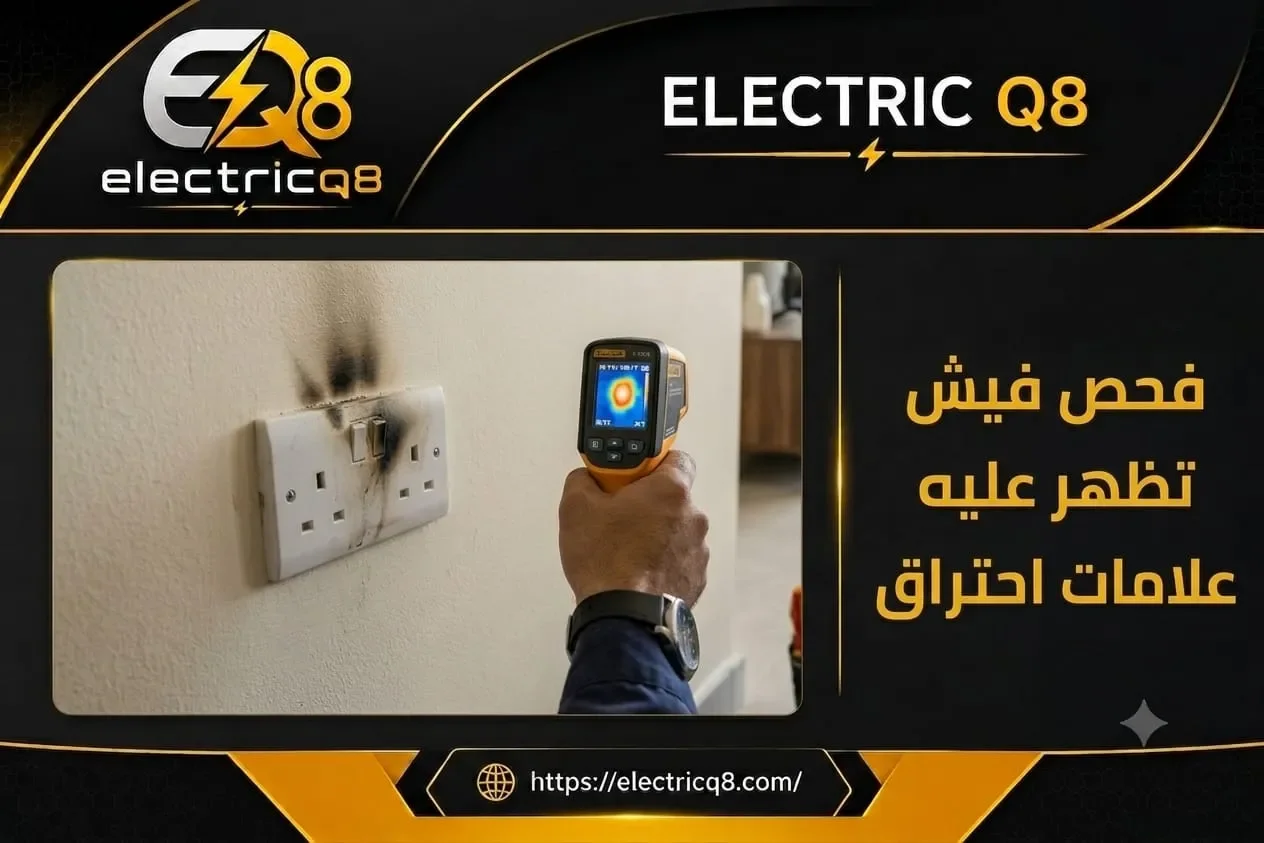
A common mistake is replacing the bulb first, then replacing the outlet, and finally moving to the breaker if the problem continues. This approach can result in three serviceable components being replaced while the actual circuit fault remains. If the flickering is accompanied by crackling, a burning smell, abnormal heat, discoloration around the outlet or switch, or visible sparking, the circuit should not be repeatedly operated just to reproduce the problem. Stop using the affected part safely and arrange qualified electrical inspection because several warning signs appearing within the same circuit require a more cautious response than a simple bulb replacement.
-
The timing of the light flicker in relation to the outlet losing power helps determine whether both symptoms move together in a way that points toward a possible shared factor or whether each problem appears under different conditions and requires separate investigation.
-
A light and outlet being located in the same room does not prove that they belong to the same electrical circuit because circuit distribution depends on the actual wiring design rather than the physical distance between electrical points.
-
A burning smell crackling significant heat discoloration or sparking together with flickering and outlet failure means the priority should be to stop using the affected part and arrange qualified inspection instead of continuing to replace components and repeatedly test the circuit.
Light Flickers and the Outlet Does Not Work
If the light flickers and the outlet does not work, there are two different symptoms that need to be connected through evidence rather than assumption. A flickering light may be related to the lamp itself, a driver, switch, connection, or an electrical change somewhere along the supply path. An outlet that does not work may have a local problem at that point or may be affected by another part of the circuit. When both symptoms appear together, the value of proper diagnosis lies in determining whether a shared factor can explain both conditions instead of repairing each point independently.
One detail that helps the electrician significantly is knowing what still works normally in the same area. If one light flickers while all other lighting remains stable and only one outlet has stopped working while other outlets continue operating, the diagnostic picture differs from a situation where several electrical points are affected together. It is also useful to know whether the fault appears when a particular appliance is switched on, when a switch is operated, or randomly without an obvious connection. A fault that repeatedly appears under a specific condition can usually be investigated more effectively than an intermittent fault that disappears before the electrician arrives. This is why the customer's description of timing forms a genuine part of the diagnostic process.
Using a long extension lead from another room as a permanent solution for the failed outlet while ignoring the flickering light is not an appropriate repair. It may temporarily allow the appliance to operate, but the cause of the electrical fault remains unexamined. Similarly, changing only the lamp may hide part of the symptom if the replacement lamp behaves differently, but it does not prove that the electrical problem has been resolved. The better approach is to inspect the relationship between the two affected points and establish the circuit boundaries before purchasing replacement components.
-
Identifying which nearby electrical points continue operating normally helps define the boundaries of the fault because one failed outlet presents a different diagnostic picture from several lighting and outlet points changing state at the same time.
-
A connection between the flickering or outlet failure and the operation of a particular appliance or switch gives the electrician a repeatable condition to investigate instead of relying on an intermittent fault that appears and disappears without a known trigger.
-
Supplying the appliance through a distant extension lead or replacing only the lamp may temporarily bypass one symptom but it does not constitute a circuit repair because the reason for the combination of flickering and lost outlet power still needs to be identified.
Lighting and Outlet Circuit Fault
A lighting and outlet circuit fault first requires confirmation of how the circuits are actually arranged in the property because lighting and outlets are not necessarily supplied by the same circuit. In some electrical installations, each group has its own wiring path and protection, while other arrangements may contain points or sections connected differently according to the building design and any previous modifications. Two faults occurring in the same physical area are therefore a useful reason to investigate, but they do not prove that both symptoms originate from one electrical point.
The electrician begins by identifying the affected points, comparing them with points that remain normal, and reviewing the protective device associated with the relevant circuit. If the problem started after an electrical modification, a new point was installed, or previous repair work was carried out, that information becomes part of the fault history because it helps establish what changed before the symptoms appeared. However, the most recent modification should not automatically be blamed without testing. The timing may be related to that work, or inspection may reveal an entirely different cause.
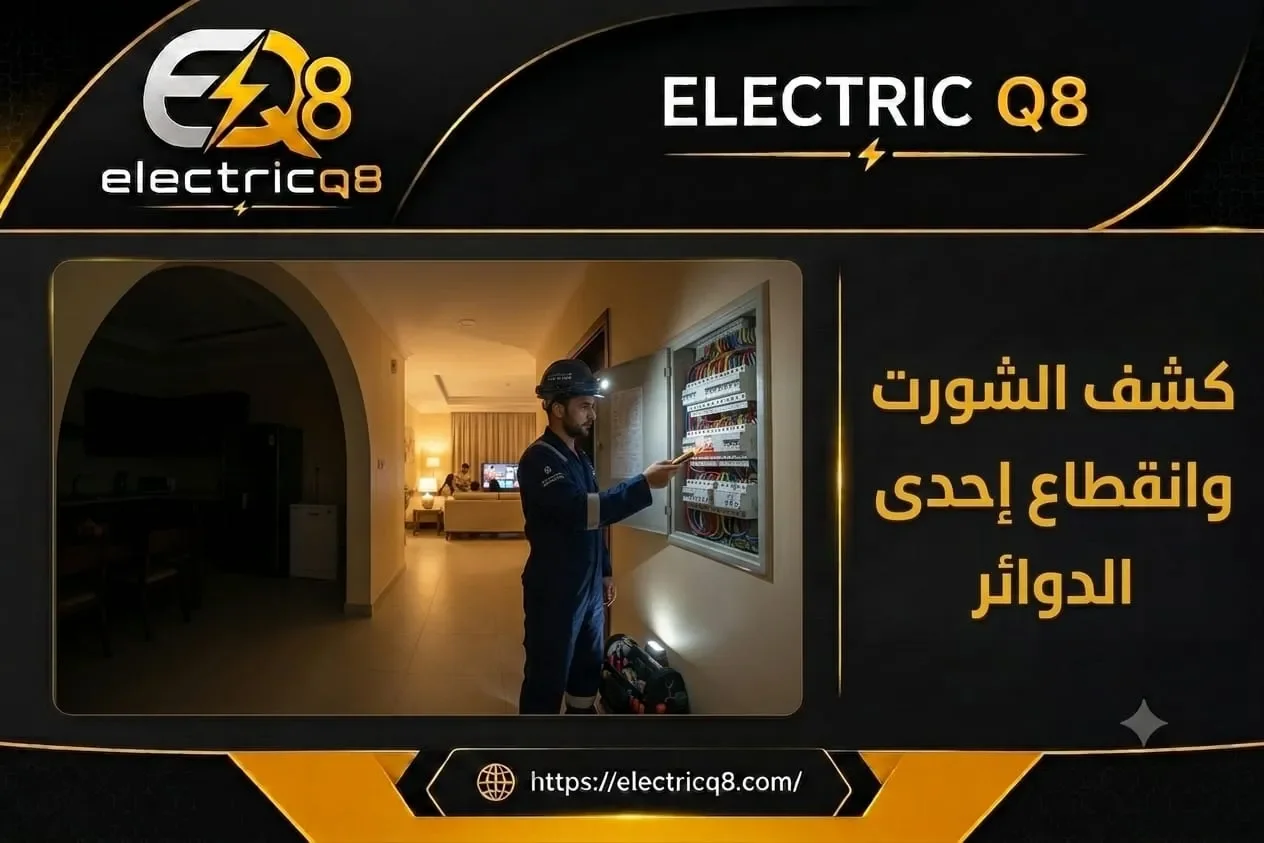
Intermittent faults also require a different approach. If the lighting becomes stable at times and the outlet begins working again before failing later, that does not mean the problem has disappeared. Faults that come and go require the operating conditions to be documented and the inspection to focus on potential shared points and circuit connections according to the evidence found. The homeowner should not be instructed to open an outlet, switch, or electrical panel while energized because locating an intermittent problem within live wiring requires a qualified electrician and suitable testing equipment.
-
Mapping the affected and unaffected electrical points gives a more accurate picture of a lighting and outlet circuit fault than assuming that every point located in the same room is supplied through the same electrical path.
-
Knowing whether the problem started after adding an electrical point modifying wiring or completing previous repair work helps prioritize the inspection but does not provide final proof of the fault location before appropriate testing is carried out.
-
A light and outlet returning to normal operation on their own does not prove that the circuit is sound because an intermittent fault may disappear during inspection and return under specific conditions so diagnosis should follow the fault pattern rather than random component replacement.
Lighting Flicker With an Outlet Fault
When lighting flicker occurs with an outlet fault at the same time, the order of diagnosis becomes especially important because replacing the lamp or outlet separately can hide the relationship between the two symptoms. The first thing to determine is whether the flicker occurs continuously or only when the affected outlet is used or another nearby appliance is switched on. If the lighting remains stable most of the time and starts flickering when the condition of a particular electrical point changes, that observation gives the electrician a useful operating condition to investigate rather than requiring every electrical point in the property to be checked without direction.
The pattern of the flicker also provides useful information without being a final diagnosis. One lamp flickering is different from several lights changing at the same moment. If an entire lighting group is affected while more than one outlet also stops working, the inspection may need to expand toward a possible shared part of the supply or circuit. If the problem is limited to one lamp and one outlet, however, the electrician should not assume a common cause until the wiring arrangement of both points has been established.
From a practical perspective, replacing the lamp alone is not an adequate response when an outlet fails at the same time. Even if the flicker disappears after installing a new lamp, the reason for the outlet failure still needs to be understood. The opposite is also true if the outlet is replaced and begins working while the lighting continues to flicker. Professional repair first tries to explain both symptoms within one diagnostic picture and then separates them into independent faults only if testing shows that they are unrelated.
-
Flickering that begins at the same time a particular outlet or appliance is used gives the electrician a defined operating condition for diagnosis instead of treating the lighting problem as an unrelated fault from the beginning.
-
One flickering lamp presents a different diagnostic picture from an entire group of lights flickering because the number of affected lighting points helps determine whether the inspection should begin locally or expand toward a shared section of the circuit.
-
The disappearance of one symptom after replacing a component does not prove that the second problem has been resolved so the cause of the outlet failure and the reason for the lighting flicker should each be supported by evidence before the circuit is considered sound.
Lighting and Outlet Connection Problem
When a lighting and outlet connection problem is suspected, this does not mean that every case of flickering automatically proves there is a loose wire or burnt connection. Connections are one category of possible causes and should be investigated after the scope and behavior of the fault have been established. Intermittent flickering together with loss of power at one or more electrical points makes connection condition relevant to the inspection, but the conclusion should come from examination and testing rather than from the description of the symptom alone.
The electrician considers where the problem first appeared, the sequence of affected points, and any electrical work completed before the symptoms started. If a nearby modification, switch replacement, or new outlet installation took place recently, that information identifies an area worth reviewing, but it does not prove that the previous work caused the fault. Visible signs such as discoloration or heat damage are also important, although the absence of these signs does not rule out an electrical condition that requires further testing.
The difficulty is that some connection faults are intermittent. A point may work at one moment and fail later while the light flickers without an obvious pattern to the homeowner. Randomly replacing the lamp or outlet may happen to coincide with the circuit temporarily returning to normal and create a false impression that the new component solved the problem. Genuine verification requires locating the part associated with the fault, repairing it appropriately, and then checking the affected points under suitable operating conditions.
-
A suspected connection problem should remain a working hypothesis until supported by inspection because lighting flicker and outlet failure can have several causes and every electrical fault should not automatically be reduced to a loose connection.
-
Knowing the most recent modification made to the circuit helps prioritize areas for inspection but does not justify blaming that point immediately because the actual cause should be established through connection condition measurements and other findings.
-
Power returning after operating a switch using an appliance or simply waiting for a period does not prove that the fault has disappeared because intermittent problems may temporarily clear and still require identification of the cause before the circuit is considered suitable for normal use.
Intermittent Electrical Fault in the Home
An intermittent electrical fault in the home requires an accurate description because the problem may completely disappear before the electrician arrives. The customer may say that everything is working now, but that does not make the earlier symptoms irrelevant. The useful information is when the fault occurred, how long it lasted, which points were affected, whether an appliance was operating or a switch was being used at the time, and whether power returned by itself or after a particular action.
Simple documentation can be very helpful in these cases. The homeowner does not need to open an electrical point or take measurements inside the panel. It is enough to note which room was affected, which lights flickered, which outlets stopped working, and the visible state of the breaker without touching internal electrical parts. If the time of the fault and the appliance operating at that moment can also be recorded, these details give the electrician a much stronger starting point than deliberately trying to force the problem to happen again.
One of the biggest mistakes with an intermittent electrical fault is ignoring it simply because it disappears. If the cause involves a connection point or a component whose behavior changes under certain conditions, the temporary return of power is not a repair. If the fault is accompanied by crackling, sparking, heat, or a burning smell, these warning signs should not be ignored while waiting for the problem to repeat. Stop using the affected part safely and arrange inspection because the priority is no longer reproducing the fault but preventing a potentially worsening electrical condition.
-
Recording the time of the fault affected electrical points and appliances that were operating provides practical information that helps the electrician reconstruct the circumstances even when the circuit is working normally at the time of the visit.
-
The fault not appearing during inspection does not justify presenting an invented cause as certain because professional diagnosis distinguishes between what has been demonstrated and what remains a possibility and clearly explains the limits of the available findings.
-
An intermittent fault accompanied by heat sparking a burning smell or abnormal electrical sounds requires prompt attention even if the power returns because temporary disappearance of the symptom does not remove the warning sign.
Lighting and Outlet Fail Together
If the lighting and outlet fail together, the timing of both symptoms helps the electrician search for a part that may be shared between the affected points, but it does not justify immediately selecting a specific fault location. The first step is to establish whether all the lighting in the room is affected or only one lamp and whether all outlets stop working or only one electrical point. The clearer the fault boundaries become, the more accurately the circuit can be traced and the lower the chance of replacing serviceable components.
The protective device should also be considered. If a breaker operates at the same time as the fault, the diagnostic path differs from a situation where the electrical points lose power while the breaker still appears to be in the ON position. The homeowner should not open the electrical panel or tighten connections to check whether something is loose. Their role is simply to describe what happened while testing within the circuit is left to a qualified electrician.
If the lighting and outlet return at exactly the same time without any component being replaced, that becomes particularly useful diagnostic information. Their simultaneous return supports the possibility of a shared factor that requires tracing, but it still does not reveal the location by itself. The electrician uses the circuit arrangement and appropriate tests to narrow the search. This is more accurate than beginning with the last outlet or lamp where the symptom appeared simply because it is the easiest point to access.
-
Establishing whether the failure affects one lighting point and one outlet or several electrical points helps define the affected part of the installation and prevents unnecessary repairs from expanding into circuits that are unrelated to the fault.
-
The state of the breaker when the points lose power provides important diagnostic information because lighting and outlet failure while the breaker still appears to be on requires a different inspection path from a situation where the protective device has operated.
-
Lighting and outlets returning to operation together without any component replacement strengthens the possibility of a shared factor but does not identify its location so circuit tracing and appropriate testing remain necessary before repair.
Electrical Circuit Fault Detection in Kuwait
Requesting electrical circuit fault detection in Kuwait is more appropriate than simply requesting an “outlet replacement” or “new bulb” when symptoms affect more than one electrical point or appear and disappear. The difference is that proper fault detection should begin with the electrical problem itself rather than the component the customer believes is responsible. The electrician gathers the symptom history, identifies the affected points, establishes the relevant circuit and protection, and then selects tests that help narrow down the fault location.
When choosing an electrician for this type of problem, it is useful to ask about the diagnostic approach. Will the circuit be inspected before replacement parts are recommended? Can the electrician explain what the testing actually confirmed and what remains only a possibility? Does the work include retesting the lighting and outlet after the repair? These questions can be more useful than choosing a service based only on the initial visit price because an intermittent fault may require a different level of tracing from a straightforward component replacement.
The cost cannot be accurately determined from the description “a light flickers and an outlet cuts out.” If the problem is limited to one point, the work scope may be very different from a fault that requires tracing several electrical points or a larger part of the circuit. The final cost therefore depends on the diagnostic scope, accessibility, required repair, and replacement components if any are actually needed. Greater transparency comes from understanding what the inspection includes and separating diagnostic work from additional repairs before those repairs are carried out.
-
Circuit fault detection is more appropriate when several electrical points are affected because beginning with the circuit allows the symptoms to be connected logically instead of purchasing replacement parts based on the first visible sign of trouble.
-
An electrician dealing with an intermittent fault should explain the inspection findings their limitations and what has actually been confirmed rather than presenting a definite cause when the fault could not be reproduced or sufficient evidence was unavailable during the visit.
-
Repair cost changes according to the tracing scope fault location accessibility and required work so comparing services becomes more meaningful when the customer understands what the diagnostic inspection includes before comparing the final price.
Repairing the Lighting and Outlet Circuit

Repairing the lighting and outlet circuit should begin after the part responsible for the fault has been identified rather than before diagnosis. If testing confirms that the problem is local to one electrical point, the repair can remain limited to that area. If several points are affected because of a shared section, the repair should focus on that part instead of replacing every lamp and outlet where the symptom appeared. This distinction avoids unnecessary component replacement and keeps the repair closer to the actual cause.
The circuit's protective functions should remain part of the decision throughout the repair. A breaker should not be bypassed, protection altered, or a temporary connection installed simply to restore power to the affected points. Any part showing heat damage also requires assessment of the surrounding condition rather than simply reconnecting it quickly. If inspection reveals signs that extend beyond the first affected point, the scope of investigation should be expanded only as far as the evidence supports.
After repair, the original symptoms should be checked again. The lighting should be verified for stable operation, the affected outlet should be checked for restored supply within the inspection scope, and the electrician should confirm that the problem has not simply moved to another point. If the original fault was intermittent, verification may need to consider the conditions under which it previously appeared without deliberately overstressing the circuit. Repair success should be linked to correction of the diagnosed cause rather than simply seeing the light turn on immediately after the work.
-
Repairing a shared section that testing has linked to several affected electrical points is more appropriate than replacing each point separately because multiple symptoms can originate from one fault within the circuit.
-
Heat damage or deterioration around the fault location requires assessment beyond a quick reconnection because the extent of the affected area should be understood before the circuit is returned to normal operation.
-
Post-repair testing should return to the original complaint and verify stable lighting and outlet operation under appropriate conditions instead of considering the work complete simply because power returned immediately after the connection was repaired.
Electrician for Circuit Fault Inspection in Kuwait
Choosing an electrician for circuit fault inspection in Kuwait becomes especially important when the problem cannot be isolated to one obvious component. A fault involving flickering lighting, an outlet that stops working, and symptoms that disappear and return requires someone who approaches the circuit as a complete electrical system and can progressively narrow down the fault rather than starting with a list of parts to replace. The value of the service lies less in how quickly the outlet can be removed and more in the quality of the diagnosis before dismantling and replacement begin.
Before the work starts, explain the problem in the same sequence in which it occurs. When did the light begin flickering? When did the outlet stop working? Did both events happen together? Which appliances were operating at the time? Did the breaker trip? This information makes the inspection more focused. If electrical work or a modification was completed shortly before the problem started, mention it as part of the fault history without assuming that it must be responsible.
A reliable electrician should be able to explain after the inspection which part has been demonstrated to be associated with the fault and why it needs repair or replacement. If the result remains inconclusive because the intermittent problem did not occur during the visit, that limitation should be stated clearly instead of replacing components based only on probability. This approach creates greater confidence because decisions remain connected to available evidence and allow for organized follow-up if further observation is necessary.
-
Choosing an electrician for an intermittent fault should depend on the ability to trace the circuit and connect symptoms with measurements and findings rather than simply on the speed of replacing the lamp or outlet where the problem first appeared.
-
Giving the electrician a clear sequence covering the flicker outlet failure breaker condition and appliances operating at the time helps direct the inspection from the beginning without unnecessarily opening multiple electrical points.
-
An electrician who distinguishes between a confirmed cause and an unproven possibility provides a more reliable diagnosis than replacing several components simply because the fault temporarily disappears after one electrical point is touched or moved.
Conclusion
When a light flickers and the outlet cuts out during the same period, do not treat the situation as nothing more than a bulb that needs replacement and an outlet that needs changing. The timing of both symptoms can provide an important clue to a circuit fault, particularly if the lighting and outlet fail or recover together. Proper diagnosis begins with the timing of the problem, the number and location of affected points, and the state of the breaker before moving on to circuit tracing and appropriate electrical testing. If the fault is intermittent, the temporary return of power should not be considered proof that the problem has disappeared. The important step is to repair the cause that testing identifies and then verify the lighting and outlet again. If severe heat, a burning smell, sparking, or abnormal crackling appears, stop using the affected part and arrange inspection by a qualified electrician.
Frequently Asked Questions
Does a flickering light and failed outlet mean the same wire is faulty?
Not necessarily. Both symptoms appearing together makes a shared factor worth investigating, but the actual circuit arrangement and the affected electrical points must be identified before deciding whether one fault is responsible for both symptoms or whether two separate problems are present.
Should I replace the bulb first if it is flickering?
The bulb itself can cause flickering in some situations, but an outlet failing at the same time makes circuit inspection more important before assuming the problem is limited to the lamp. Replacing the bulb alone does not explain why electrical supply was lost at the outlet.
Why does the outlet start working again by itself?
An outlet returning to operation without a repair can be part of an intermittent electrical fault and should not be treated as evidence that the problem has resolved. Record when the fault occurs and which appliances were operating and leave circuit and connection testing to a qualified electrician.
Do I need to replace all outlets if several points fail?
No. If several electrical points are affected together, it is better to identify any shared section of the circuit first. Replacing every outlet before locating the cause can result in serviceable components being changed while the underlying fault remains.
How much does circuit fault detection and repair cost?
There is no single price for every case because the cost depends on the number of affected points, fault location, tracing time, accessibility, and whether the repair requires a replacement component or work on part of the circuit. Proper diagnosis provides a more accurate basis for determining the actual scope and cost of the repair.