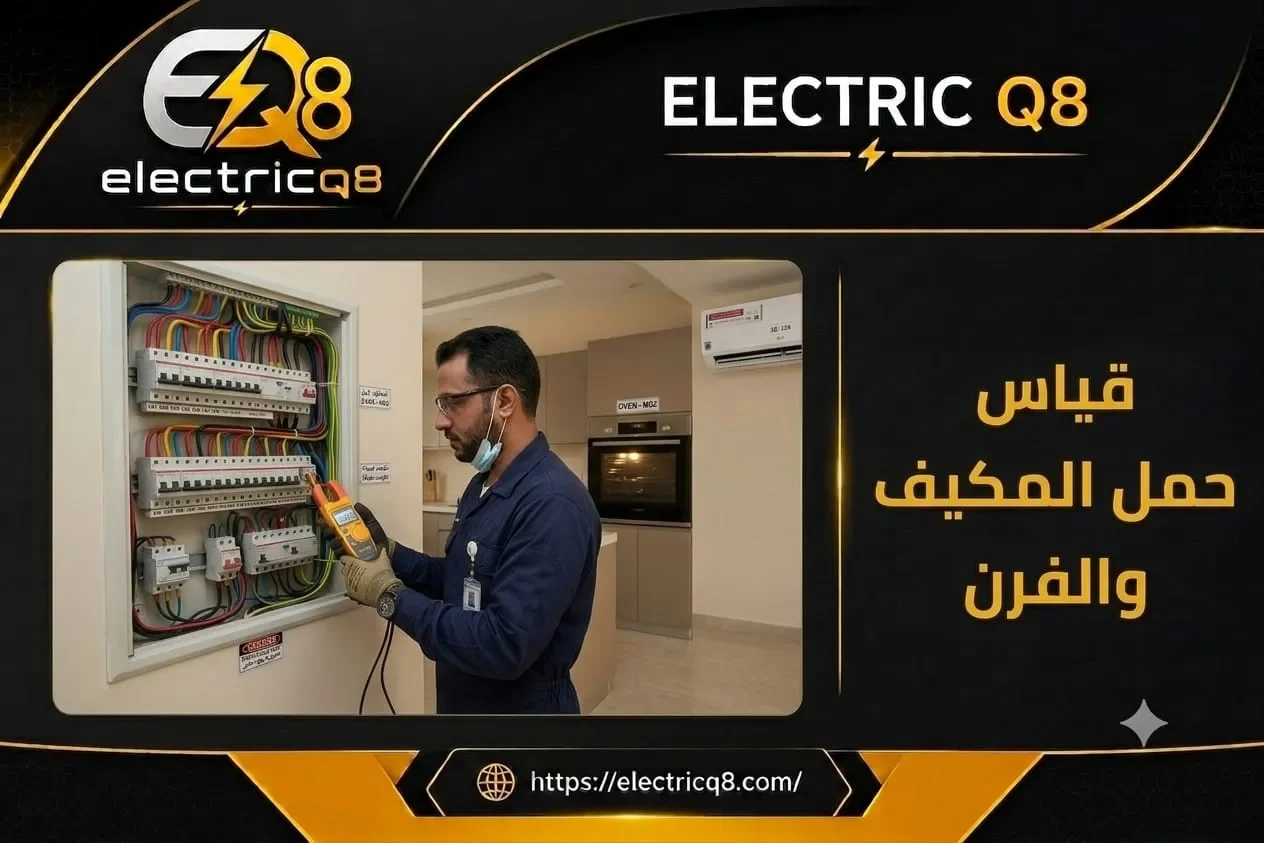
An electrical cable supplying an annex should not be treated as a problem that can automatically be solved by changing the breaker or installing a larger cable based on guesswork. The cable is part of a complete circuit that begins at the supply source, passes through the protective devices and cable route, and ends at the loads operating inside the annex. Proper diagnosis therefore considers the actual load, conductor specifications, cable length, installation method, surrounding conditions, connection points, and the protection associated with the circuit. If the overheating is severe or accompanied by a burning smell, discoloration, or visible damage, do not continue operating the annex simply to test the problem. If the circuit can be safely taken out of use without approaching a hazard, it should remain isolated until qualified inspection is completed because correcting overheating begins with identifying its cause rather than replacing components at random.
Annex Cable Is Overheating

When an annex cable is overheating, the important information is not only that heat is present but also when it appears, where it is concentrated, and which loads are operating at the time. Increased temperature can be related to the relationship between the load and cable characteristics, the installation method, route conditions, a particular connection point, or another condition within the circuit. This is why it is not appropriate to immediately conclude that the cable is undersized before the complete system has been assessed.
Consider a practical example of an external annex that originally had limited electrical use but later had an air conditioner and additional appliances installed. If the overheating begins when several loads operate together, this information directs the inspection toward the relationship between the existing circuit and the current load. However, it does not prove by itself that cable replacement is the correct solution. The actual loads, conductor specifications, installation method, protection, and connection points should all be checked before determining the required modification.
The location of the heat also provides useful diagnostic information. If increased temperature appears along part of the cable route, the assessment differs from severe heat concentrated near a termination or connection. The homeowner does not need to open a panel, electrical box, or connection point or touch conductors to determine the location personally. It is enough to safely describe when the problem occurs, which appliances were operating, and whether any smell or external discoloration was noticed.
If the condition progresses to a burning smell, smoke, melting, severe heat, or sparking, do not continue operating the circuit to test it. The breaker rating should also never be increased simply to prevent tripping because the breaker must remain coordinated with the conductor, circuit, and electrical design.
-
The timing of cable overheating can help guide diagnosis because heat that begins when particular loads operate provides different information from heat that remains present during limited use but identifying the final cause still requires circuit inspection rather than relying on timing alone
-
Heat concentrated around one location requires a different assessment from increased temperature along a wider part of the cable route which is why the conductor connection points and installation conditions should be inspected instead of assuming that increasing cable size will solve every overheating problem
-
If cable overheating is accompanied by a burning smell smoke melting sparking or severe thermal signs do not continue using the annex simply to observe the problem because continued operation may increase the damage and the circuit requires qualified assessment before being returned to service
Electrical Cable Overheating
Electrical cable overheating needs to be understood within the cable's operating and installation conditions because a conductor does not work independently from the environment surrounding it. The installation method, ambient temperature, cable grouping, route characteristics, length, and insulation properties can all affect the assessment of the circuit. A cable that performs appropriately in one installation arrangement may not necessarily behave in the same way when used under different installation conditions.
A common mistake is looking only at the conductor size as though it provides the complete answer. Conductor size is important, but it is not the only factor. Cable and protection selection needs to consider the load, installation method, design requirements, product characteristics, and site conditions. Even a cable that appears to have a relatively large conductor size does not eliminate the possibility of a poor connection, unsuitable route conditions, or a previous modification affecting the circuit.
It is also important to distinguish between expected temperature under suitable operating conditions and unusual heating that requires investigation. The homeowner should not try to measure cable temperature by touching it or decide by hand whether the temperature is acceptable. If there is obvious overheating, an unusual smell, discoloration, or visible insulation deterioration, the safer approach is to stop using the affected section and request an inspection rather than performing a personal test.
A qualified electrician connects observations with appropriate measurements and circuit information. If the cause is related to the load, the relationship between the load and supply is addressed. If it involves a connection point, route, or cable characteristics, the repair should target that cause. The value of proper diagnosis is that it prevents unnecessary replacement of an entire cable when the problem is elsewhere while also preventing continued use of a cable when inspection shows that it is unsuitable or damaged.
-
Assessing cable overheating requires understanding the installation method surrounding conditions route and load because the same conductor can be affected differently depending on the installation environment which is why conductor size alone cannot provide a complete assessment
-
A cable that appears to have a larger conductor size does not rule out connection problems unsuitable route conditions or previous damage because the circuit consists of interconnected elements and an assessment that ignores those elements may lead to a repair unrelated to the actual cause
-
The user does not need to touch the cable or insulation to decide whether the temperature is acceptable because obvious overheating an unusual smell discoloration or visible insulation deterioration provides sufficient reason to stop using the affected section and leave measurement and inspection to a qualified person
Causes of Annex Cable Overheating
Determining the cause of annex cable overheating requires separating possible causes instead of describing every case as an overload. Load is one factor that should be assessed, but it is not the only explanation. The problem may relate to conductor selection, installation method, a connection point, route conditions, previous damage, or a change in how the annex is being used compared with the original electrical design.
A clear example is an annex originally designed to supply lighting and a limited number of electrical points that is later used differently and has equipment with higher electrical requirements added. In this situation, the current use should be compared with the existing supply design. This does not mean that adding an appliance automatically makes the cable unsuitable. It means that the new loads have changed the conditions that should be reviewed before continued operation.
In another situation, overheating may appear near one cable termination while the rest of the route shows no similar sign. Inspection of the connection point and the surrounding condition then becomes important instead of assuming that the entire cable must be replaced. On the other hand, if inspection identifies damaged insulation, an unsuitable conductor, or an installation route that does not meet the requirements of the circuit, replacement may be necessary within the scope established by the assessment.
Protection is also part of the diagnosis. A breaker does not prevent cable overheating simply because a particular rating has been selected. Protection must be coordinated with the conductor characteristics, load, and circuit design. If the breaker trips when the annex is being used, its rating should not be increased simply so that it can “handle” the load. The reason for the trip should be identified first.
-
Changes in the way an annex is used after the original electrical installation can change circuit requirements which is why adding air conditioners or new appliances should lead to a review of the load and supply rather than an assumption that the original cable automatically remains suitable for the new use
-
Overheating concentrated around a termination or connection point requires a different inspection from increased temperature affecting a wider cable route because identifying where the sign appears helps the electrician narrow the diagnostic scope instead of replacing the entire cable without evidence
-
The breaker should form part of protection coordinated with the conductor load and electrical design which is why increasing its rating simply because it trips during annex operation is not a solution to cable overheating and can alter the intended protection without correcting the underlying cause
Electrical Cable for an Annex
Selecting an electrical cable for an annex begins with understanding what the annex will actually serve rather than buying a commonly used cable size and applying it to every project. An annex intended for a simple sitting area with lighting and a limited number of electrical points is different from an annex containing air conditioners, several appliances, or equipment used continuously. It is also important to know whether the supply will serve one circuit or a subpanel containing several circuits because this difference changes how the supply should be designed from the beginning.
After identifying the loads, the cable route length, installation method, surrounding conditions, conductor and insulation characteristics, and required protection should be considered according to the electrical design. If part of the route is outdoors or passes through different environmental conditions, it is not enough for the cable merely to carry the calculated load. The installation method and selected product must also be appropriate for the location, project requirements, and manufacturer instructions.
Another mistake is purchasing the cable first and deciding later which appliances will be installed in the annex. This reverses the correct design process. Current and reasonably expected use should be identified before the supply is designed. If the use of the annex changes later, the loads should be reassessed before additional equipment is connected rather than treating the existing cable as unlimited capacity for future loads.
The cable should not be selected by copying another home's installation either. Differences in route length, loads, installation conditions, and cable arrangement make direct copying unreliable. The appropriate cable should result from assessment of the specific project rather than a fixed size assumed to be suitable for every annex.
-
Identifying how the annex will be used and which appliances will operate inside it should come before cable selection because supplying lighting and a limited number of points is different from supplying a subpanel serving air conditioners and several appliances even when the physical size of the annex is similar
-
Cable suitability depends on the load route installation method conductor characteristics and surrounding conditions which is why selecting a conductor size used in another project does not establish that it will be suitable for the same type of use at a different property
-
Adding new equipment after the electrical installation has been completed requires the existing circuit to be reviewed before connection because the presence of a cable supplying the annex does not mean that unlimited additional loads can be connected when they were not included in the original design
Electrical Cable Size According to Load

Determining electrical cable size according to load is not simply a matter of selecting a number from a general table based only on the combined ratings of connected appliances. Load is an essential factor, but conductor selection is also influenced by the installation method, route length, cable characteristics, ambient temperature, grouping of conductors, protection requirements, and electrical design. This is why there is no single cable size that can automatically be described as suitable for every annex containing a particular number of appliances without knowing the remaining circuit conditions.
In an annex containing air conditioners and different electrical appliances, the actual load information and equipment requirements are identified first. The supply and operating conditions are then evaluated along with the cable route. If the route is long or passes through installation conditions that differ from the rest of the property, those factors become part of the selection instead of considering the load alone.
The conductor and protection must also be coordinated. The breaker is not independent from the cable. Installing a higher-rated breaker does not automatically make the circuit capable of carrying a larger load. It may instead alter the intended protection for the conductor. If the existing breaker trips, diagnosis should come before any decision to increase its rating.
In existing properties, the specifications of an older cable may not always be immediately clear or the use of the annex may have changed over time. An appropriate inspection helps establish the characteristics of the existing circuit before deciding whether it remains suitable or requires modification. Cable size should not be assumed simply from the appearance or external diameter of the cable jacket.
-
Load is a fundamental part of cable-size selection but it must be considered together with route length installation method surrounding conditions and conductor characteristics which is why selection should not be reduced to a simplified table that ignores the conditions of the actual project
-
The breaker and cable must be evaluated as parts of the same protection system because installing a higher-rated breaker does not increase conductor capacity automatically and may leave the protection unsuitable for the circuit if the change is made without proper design and assessment
-
The conductor size and suitability of an older installed cable should not be judged only by the appearance of its outer jacket because reliable circuit information and appropriate inspection are needed before deciding whether the existing cable should remain or be replaced
Choosing an Electrical Cable for an Annex
Choosing an electrical cable for an annex requires comparing the actual project requirements with the cable characteristics and installation method. Price matters, but it should not be the first criterion. Buying the cheapest cable does not automatically mean the choice is poor, just as buying the most expensive cable does not guarantee suitability. The objective is to use a product that matches the circuit requirements, installation arrangement, and environment in which it will operate.
The first question concerns the function of the supply. Will the cable feed one particular circuit or an entire subpanel? The loads, cable route length, and route conditions are then identified. If the route is outdoors, underground, inside a conduit system, or exposed to particular conditions, the installation and protection approach should follow the product and project requirements.
It is also important not to confuse randomly selecting a larger conductor with better design. Increasing cable size without a design reason does not automatically correct a poor connection, unsuitable route, or improperly coordinated protection. On the other hand, selecting an unsuitable conductor simply to reduce initial cost can create a need for additional work later.
A good cable-selection decision should be explainable. The electrician should be able to explain why the selected cable type, conductor size, and installation method are appropriate for the load and route rather than simply saying that the same size is always used. This is where specialized service provides value because the choice is connected to the actual project rather than a general habit.
-
Price alone does not determine whether cable selection is correct because a lower-cost product may be suitable when it meets the requirements while a more expensive cable may still be inappropriate if its characteristics or intended use do not match the circuit
-
The function of the cable should be established before it is selected because supplying a subpanel differs from supplying a specific circuit in terms of loads design and protection which means the decision begins with the intended use rather than whichever cable size is readily available
-
Selecting a larger conductor without proper assessment is not a substitute for electrical design because overheating can originate from a connection point route condition or protection issue which makes correcting the actual cause more important than increasing conductor size without diagnosis
Protecting an Outdoor Annex Cable
Protecting an outdoor annex cable involves more than installing a breaker at the beginning of the circuit. Protection includes selecting a cable suitable for the operating environment, using an appropriate installation method, providing protection from expected mechanical and environmental conditions according to the product and project requirements, and coordinating the cable with the required electrical protective devices.
An outdoor route can be exposed to conditions different from those inside a building. Sunlight, moisture, water, heat, possible physical damage, and future excavation work are all considerations depending on the cable location. However, one universal rule should not be applied to every outdoor cable because the appropriate protection differs depending on whether the route is exposed, installed within a wiring system, buried, or located in an area where water may be present.
Connections, boxes, and cable entry points are also important parts of the protection system. Using an appropriate cable while installing connection points that are unsuitable for the surrounding conditions leaves a weakness in the electrical installation. The complete route from the supply source to the annex should therefore be assessed rather than concentrating only on the cable itself.
If damage to the outer covering, evidence of water exposure, overheating, or discoloration appears, the problem should not be covered with improvised insulating material and returned to service. The type and location of the damage and the condition of the conductor determine whether an appropriate repair is possible or replacement is required. If water is present and electrical energization is suspected, do not approach the area or touch the cable to test it.
-
Outdoor cable protection begins with selecting a product and installation method suitable for the location because exposure to heat moisture and mechanical conditions varies according to the route and an installation method suitable indoors may not be appropriate in the same form outdoors
-
Boxes connections and cable entry and exit points are part of the overall protection system because using a suitable cable does not compensate for a connection point that is inappropriate for the surrounding environment or an installation that leaves part of the circuit exposed to damage
-
Visible jacket damage moisture signs or overheating should not be treated with an improvised repair followed by immediate operation because inspection needs to establish the extent of the damage and conductor condition before deciding whether an appropriate repair or replacement is required
Running an Electrical Cable to an Annex
Before running an electrical cable to an annex, the route should be planned both on the project layout and at the actual site before installation begins. The shortest route is not always the best route. The cable path should consider the supply source, site conditions, ability to protect the cable, future accessibility where required, and the conditions through which the cable will pass instead of choosing a route simply because it saves a few meters of cable.
If the annex is separate from the main building, planning includes the supply starting point, the cable entry point into the annex, and whether the cable will supply a specific circuit or a complete subpanel. Each of these decisions affects the design. The supply should also not be taken from the nearest available electrical point merely because it is convenient if that point was not designed to support the new load.
During installation, the cable should be protected from reasonably expected damage according to its location. If the route passes through an area where future work may take place, documenting the cable path is important so it does not become an unknown hidden cable that is accidentally discovered during excavation or later modifications. Proper documentation can prevent significant problems years after installation.
After completion, verification should involve more than switching on the appliances in the annex and confirming that they operate. The circuit, installation, and protection should be appropriately checked according to the project requirements before the supply is accepted for use. Successful appliance operation alone does not prove that the cable route, design, and protection are all correct.
-
The shortest cable route is not automatically the best route because planning should consider protection surrounding conditions access and future maintenance instead of concentrating only on reducing the total length of the installation
-
Taking the annex supply from the nearest electrical point is only appropriate if assessment confirms that the source and circuit are suitable for the new load because physical proximity provides no information about the available electrical capacity or existing protection
-
Documenting the cable route after installation is especially important for outdoor or concealed runs because it reduces the risk of accidental damage during future work and makes the supply path easier to identify during maintenance or later modifications
Replacing an Overheating Electrical Cable
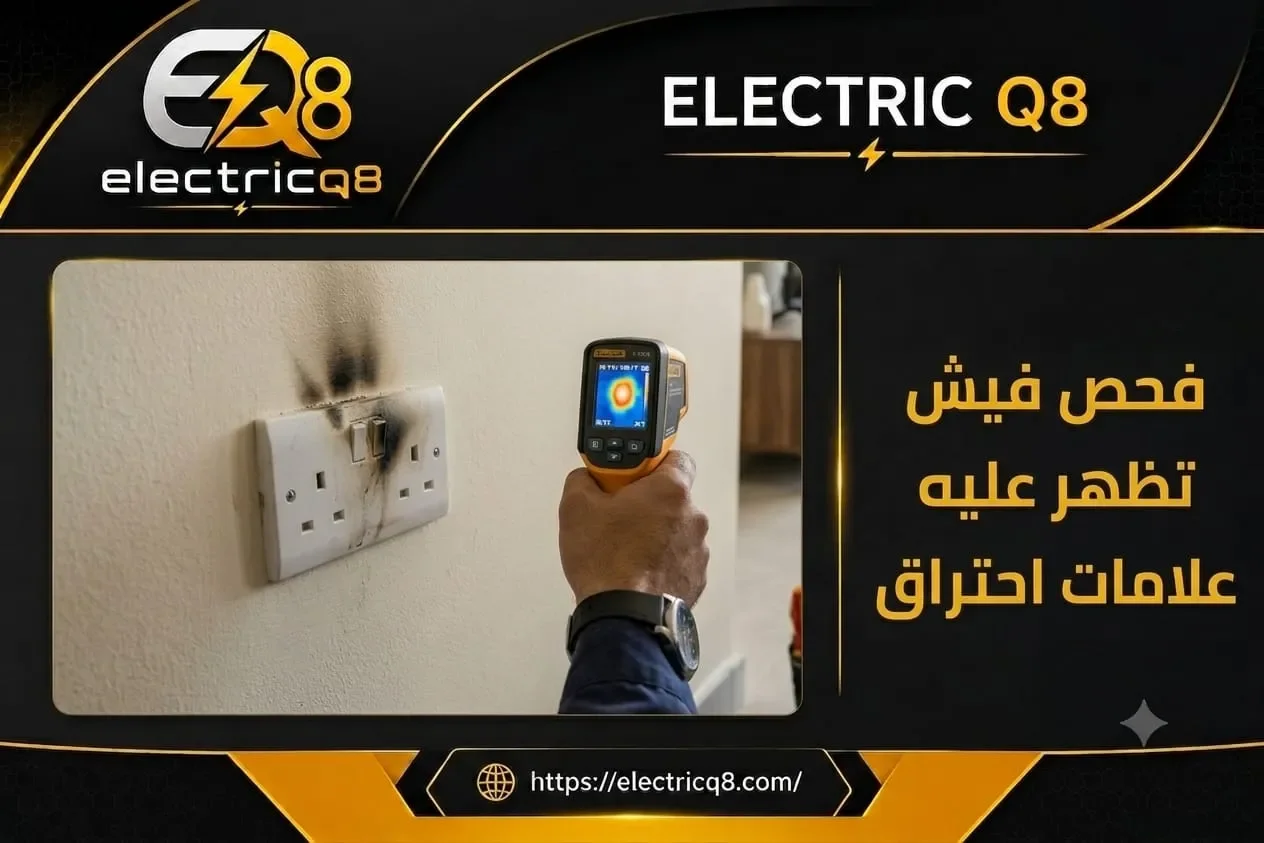
The decision about replacing an overheating electrical cable should not be based on heat alone without understanding the cause and the condition of the conductor. In some situations, inspection may confirm that the cable itself is unsuitable for the load or has suffered damage that requires replacement. In other cases, the cable may be appropriate while the problem is located at a connection point or another part of the circuit. Replacing the entire cable in the second situation without correcting the actual cause may not prevent the problem from returning.
If inspection identifies insulation deterioration, thermal damage, or a conductor that is unsuitable for the current use, the replacement scope should be determined according to the condition found. A damaged section should not simply be hidden or a conductor reused when thermal deterioration has made its condition questionable. At the same time, there is no reason to unnecessarily open large sections of finishes or cable routes before the fault location has been narrowed as much as reasonably possible.
The original cause of the overheating should also be reviewed after replacement is considered. If the current use of the annex has changed significantly from its original design, installing a new cable using the same original assumptions without reviewing the load and protection does not provide a complete solution. If the cause involves the route or a connection point, that condition also needs to be corrected as part of the work.
Replacement cost varies according to cable-route length, accessibility, installation method, required materials, and associated work. Two quotations should therefore be compared according to the same scope rather than looking only at the final price.
-
Cable replacement is justified when inspection confirms damage or unsuitability for the intended use but replacing an entire cable without identifying the reason for overheating can allow the problem to return when the actual cause remains elsewhere in the circuit
-
Installing a new cable should be accompanied by correction of the condition that caused the problem whether it involves load route connections or protection because recreating the same installation conditions with a new conductor is not a complete root-cause repair
-
Cable replacement cost depends on route length accessibility installation method materials and associated work which means quotations can be compared more accurately when the scope of each proposal is clear instead of comparing prices for different levels of work
Electrician for Annex Cable Installation in Kuwait
Choosing an electrician for annex cable installation in Kuwait should focus on how the load, cable route, and protection are assessed before a conductor size is recommended. An electrician who first asks how the annex will be used, which appliances will operate there, the approximate distance, and the available supply source has a better basis for design than someone who immediately selects a cable size before learning the project details.
A specialized service involves more than pulling a cable from one point to another. The appropriate source needs to be identified, the panel and protection reviewed, the cable route designed, the suitable conductor selected, and connection points installed correctly. If an existing cable is overheating, diagnosis should come before a replacement proposal because understanding the reason for the heat determines what actually needs to change.
It is also important that the electrician does not suggest increasing the breaker rating simply because the circuit trips or installing the largest possible cable without calculation. A professional solution coordinates protection with the conductor and load and can explain why the selected arrangement is suitable for the project. This clarity allows the property owner to compare installation proposals on a technical basis rather than comparing cable sizes and prices alone.
After installation, the supply route, the circuit serving the annex, and its source should be identifiable. This organization makes future maintenance easier and reduces guesswork if additional equipment is installed or another electrical problem develops later.
-
A suitable electrician asks about annex use loads distance supply source and route conditions before determining the cable because these details form the basis of conductor selection rather than relying on one memorized cable size for every project
-
Cable installation includes assessment of the supply protection route and connection points rather than simply pulling a conductor between two locations because reliable electrical supply depends on all of these elements working together correctly
-
If the existing annex cable is overheating it is better to choose an electrician who diagnoses the cause before replacement because identifying the reason can prevent unnecessary large-scale replacement when the cable is not the problem while also preventing continued use when the cable is confirmed to be damaged or unsuitable
Conclusion
Annex cable overheating does not have one solution that applies to every situation. The cause may be related to the load, cable characteristics, installation method, cable route, connection points, protection, or changes in how the annex has been used since the original supply was installed. Diagnosis therefore begins by understanding when the overheating appears and which appliances are operating at the time before the entire circuit is assessed rather than replacing the cable or increasing the breaker rating based on guesswork. If severe heat, a burning smell, smoke, melting, or sparking appears, do not continue operating the annex simply to test the problem. Correct annex cable design connects the load with conductor size, cable route, protection, and the electrical supply source so that a repair or new installation is based on the actual conditions of the project rather than a commonly used cable size copied from another property.
Frequently Asked Questions
Does annex cable overheating mean the cable is undersized?
Not necessarily. Conductor size is one of the factors that should be checked, but overheating may also be related to the load, a connection point, installation method, route conditions, or damage affecting part of the circuit. The cause should be assessed before deciding that cable replacement is required.
Can I install a larger breaker if the annex cable overheats?
A breaker rating should not be increased simply because overheating occurs or the existing breaker trips repeatedly. The breaker must remain coordinated with the conductor, load, and circuit design. Any change to the protection requires technical assessment of the cause before it is carried out.
How do I choose the electrical cable size for an annex?
Cable selection should consider the loads, equipment requirements, route length, installation method, conductor characteristics, surrounding conditions, protection, and electrical design requirements. There is no single conductor size that can be considered suitable for every annex without knowing these details.
Do I need to replace the entire cable if one section overheats?
Not in every case. Inspection should determine whether the problem is limited to a connection point or whether the cable itself has suffered damage or is unsuitable for the current use. The required replacement scope depends on the condition of the circuit and the cause of the overheating rather than heat alone.
What should I prepare before calling an annex cable electrician?
Explain how the annex is used, which appliances are currently installed or planned, the location of the panel or supply source, the approximate distance, and when the overheating occurs if an existing cable is affected. You do not need to open the electrical panel, electrical boxes, or touch the cable to provide this information.